The “Mom, I’m Sick” Soup

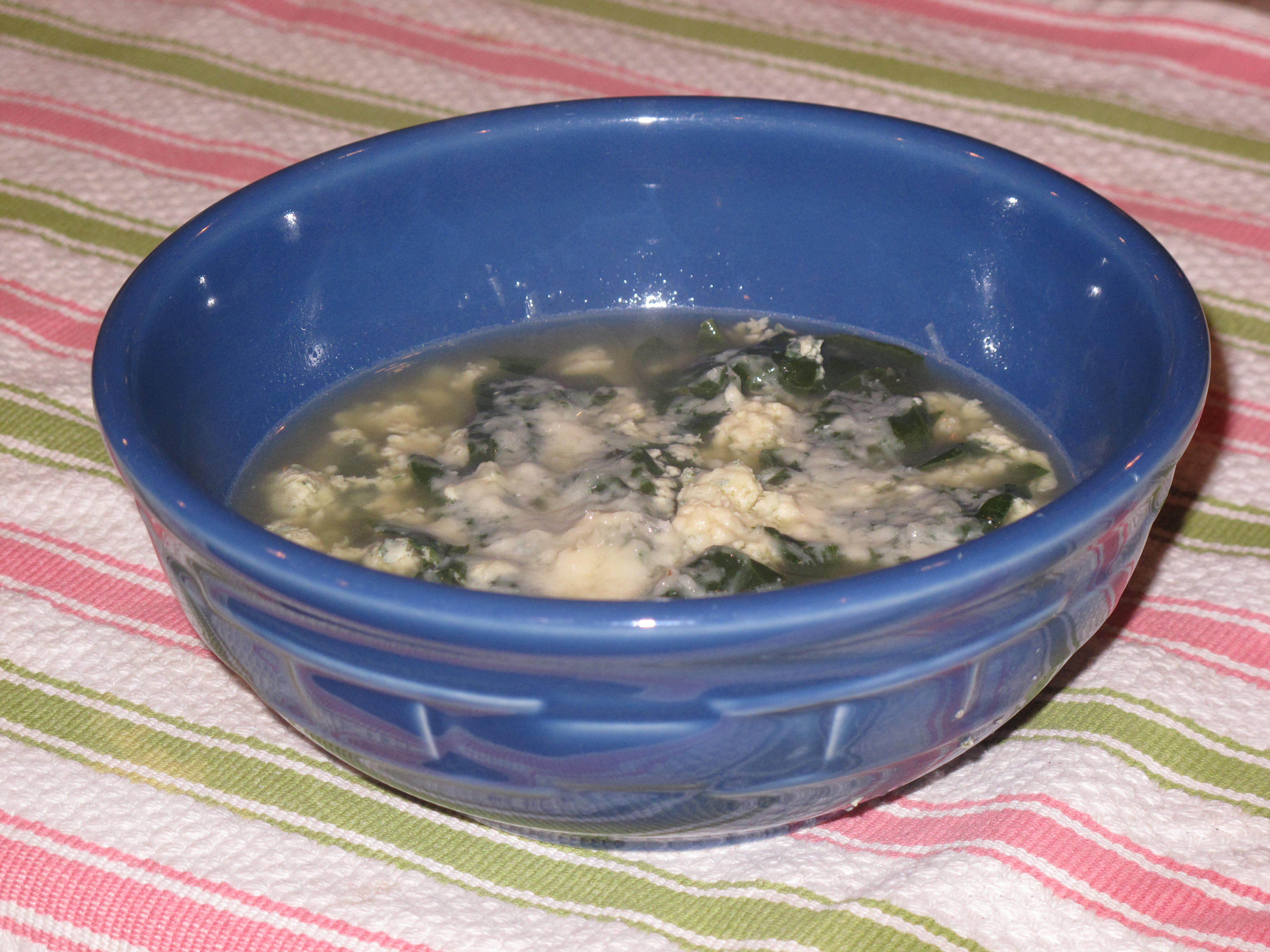
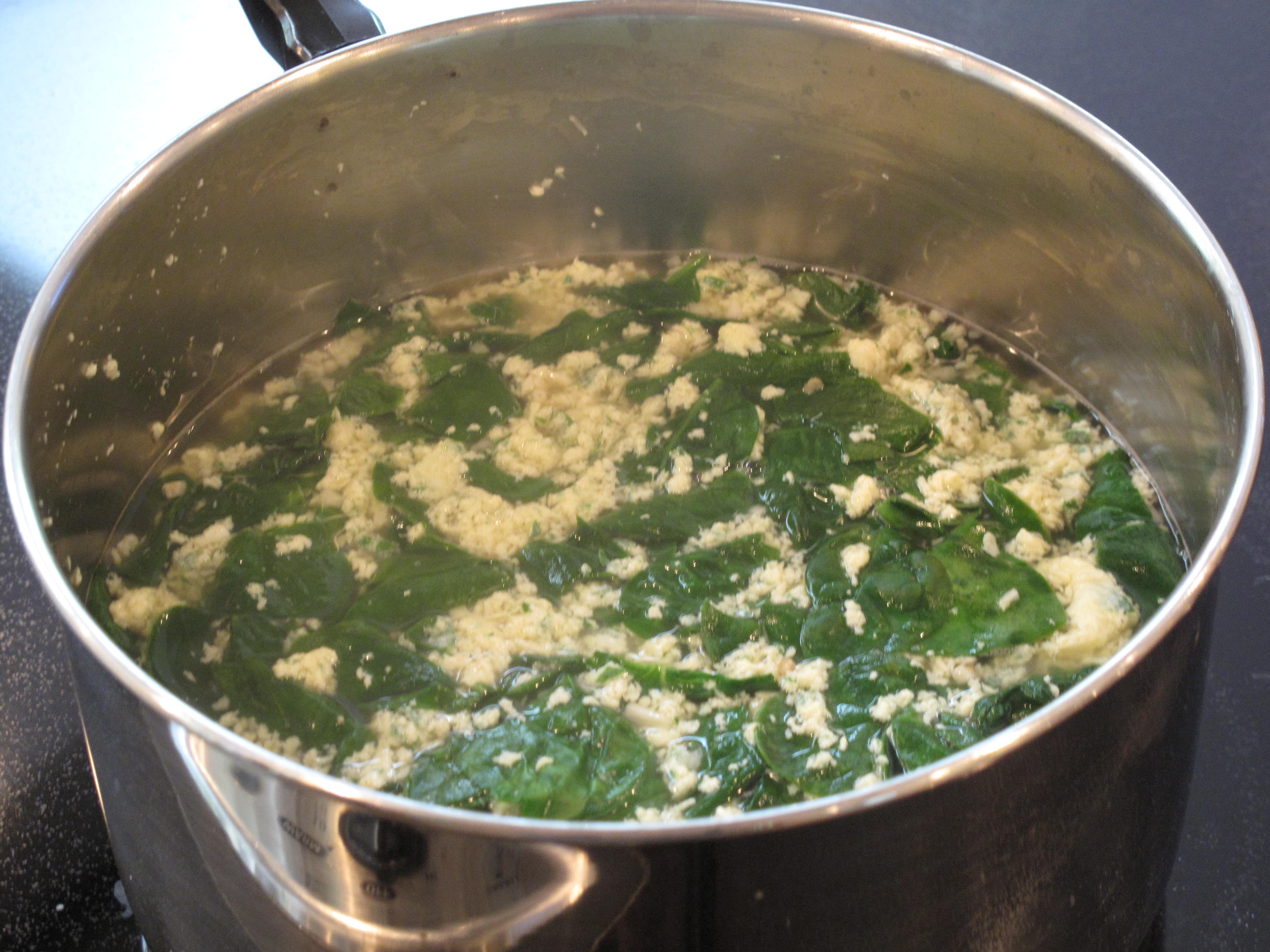
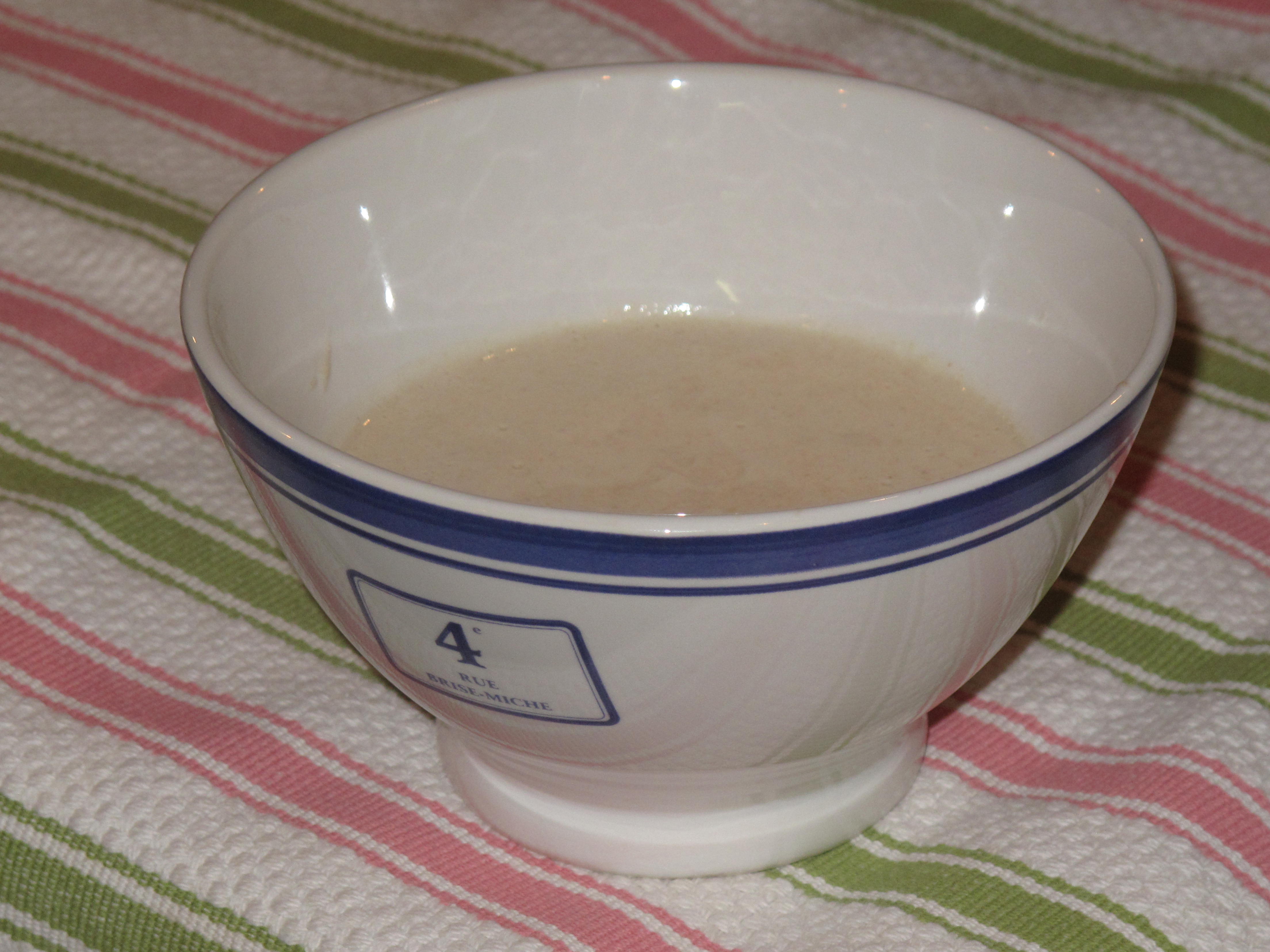
This is a bowl of Italian Stracciatella soup.  A friend of ours that is Italian also calls it the “Mom, I’m Sick” soup as this was the way he was given the all important dose of chicken broth when he was sick as a child.  We like it because it is quick and easy to make when you feel like a bowl of soup for lunch or dinner.  The ingredients are really simple, but the flavor really packs a punch.  So when you’re feeling low or just in the mood for some good chicken soup, give this recipe a try.

Ingredients:

  • 4 cups (32 ounces) chicken broth
  • 3 large eggs
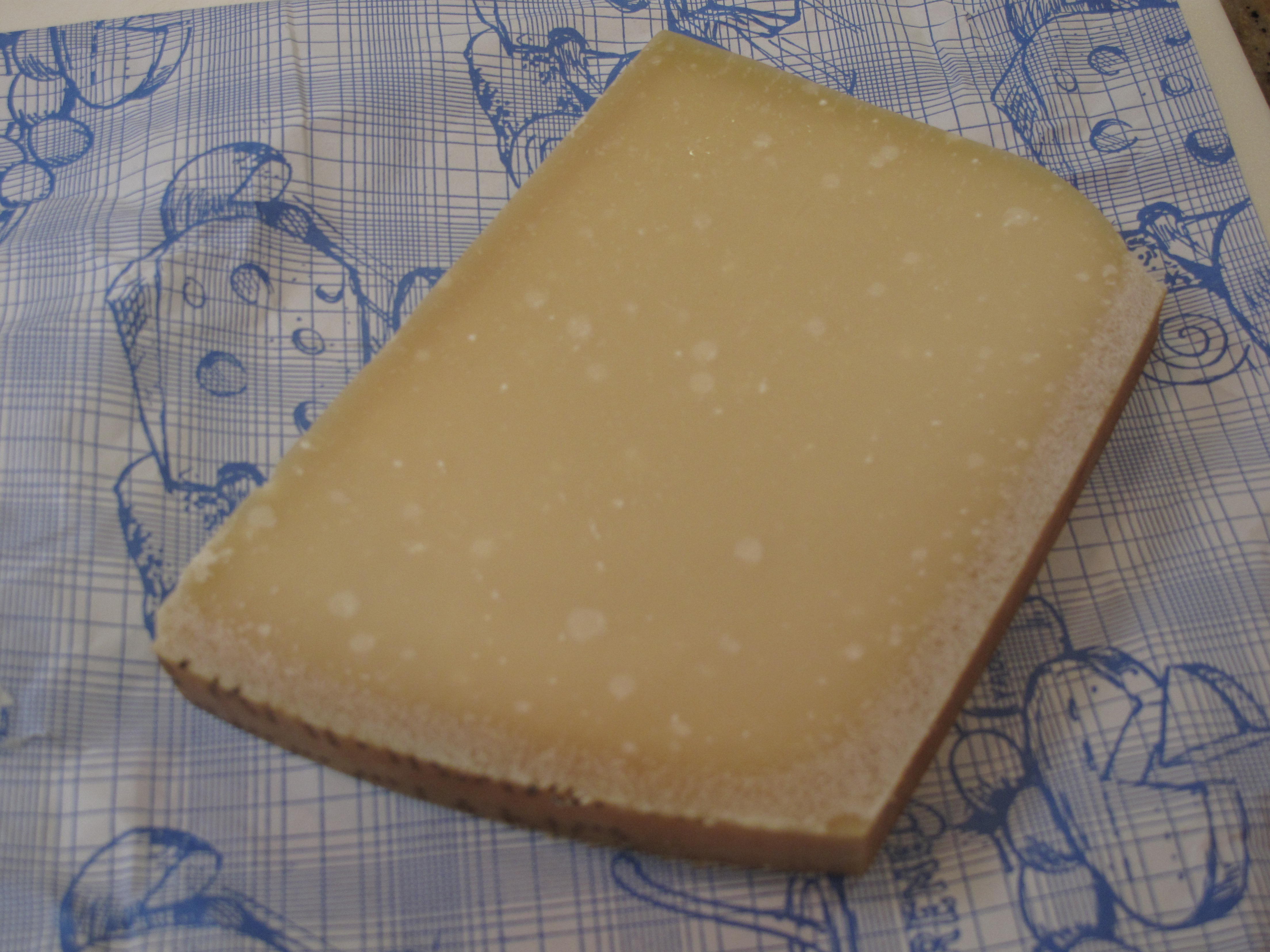
  • 1/3 cup freshly grated Parmesan cheese
  • 1 tablespoon chopped fresh Italian flat-leaf parsley
  • 1/4 teaspoon coarse salt
  • 1/8 teaspoon black pepper
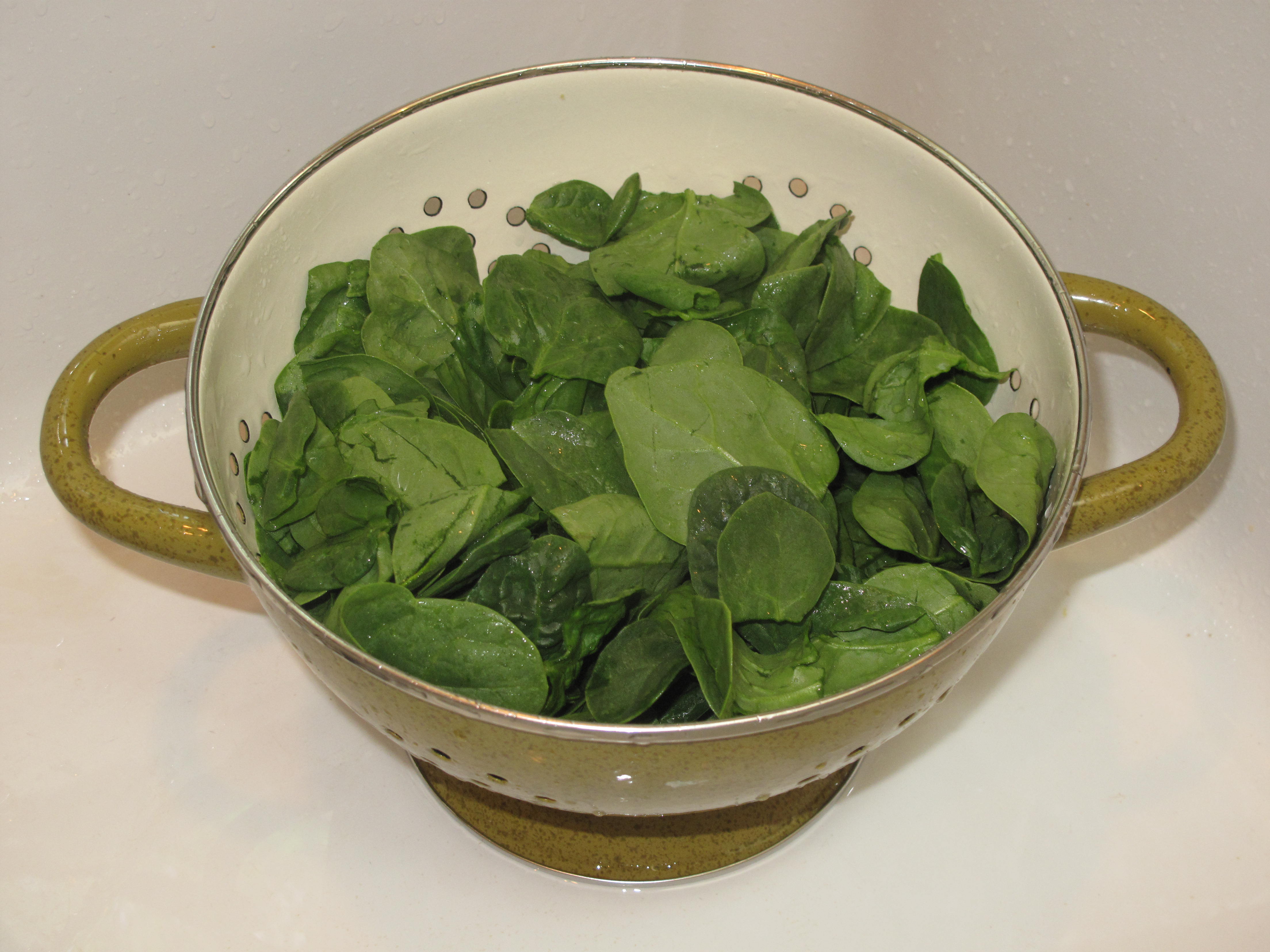
  • 4 ounces fresh spinach
  • 2 cloves garlic, minced

Directions:

Heat the chicken broth to boiling in a medium-size saucepan.

In a small bowl, beat the eggs together and stir in the cheese, parsley, salt and pepper.

Slowly, in a steady stream, pour the egg mixture into the boiling broth.  Stir slightly.  Reduce the heat to medium and let cook for 1 minute.  Drop the spinach into the broth to wilt.

Stir in the garlic.  Serve immediately.

Nothing beats home-made chicken soup.  Believe this or not, but I’ve read that when you are sick, chicken soup really does help a person eating it get well again.  The chicken broth acts as an anti-inflammatory.  The soup keeps a check on inflammatory white blood cells (neutrophils).  Cold symptoms, such as coughs and congestion, are often caused by inflammation produced when neutrophils migrate to the bronchial tubes and accumulate there.  So Grandma did know best!!  What do you eat when you are not feeling great?

Healthy Eating Now – Quinoa And Turkey Patties In Pita

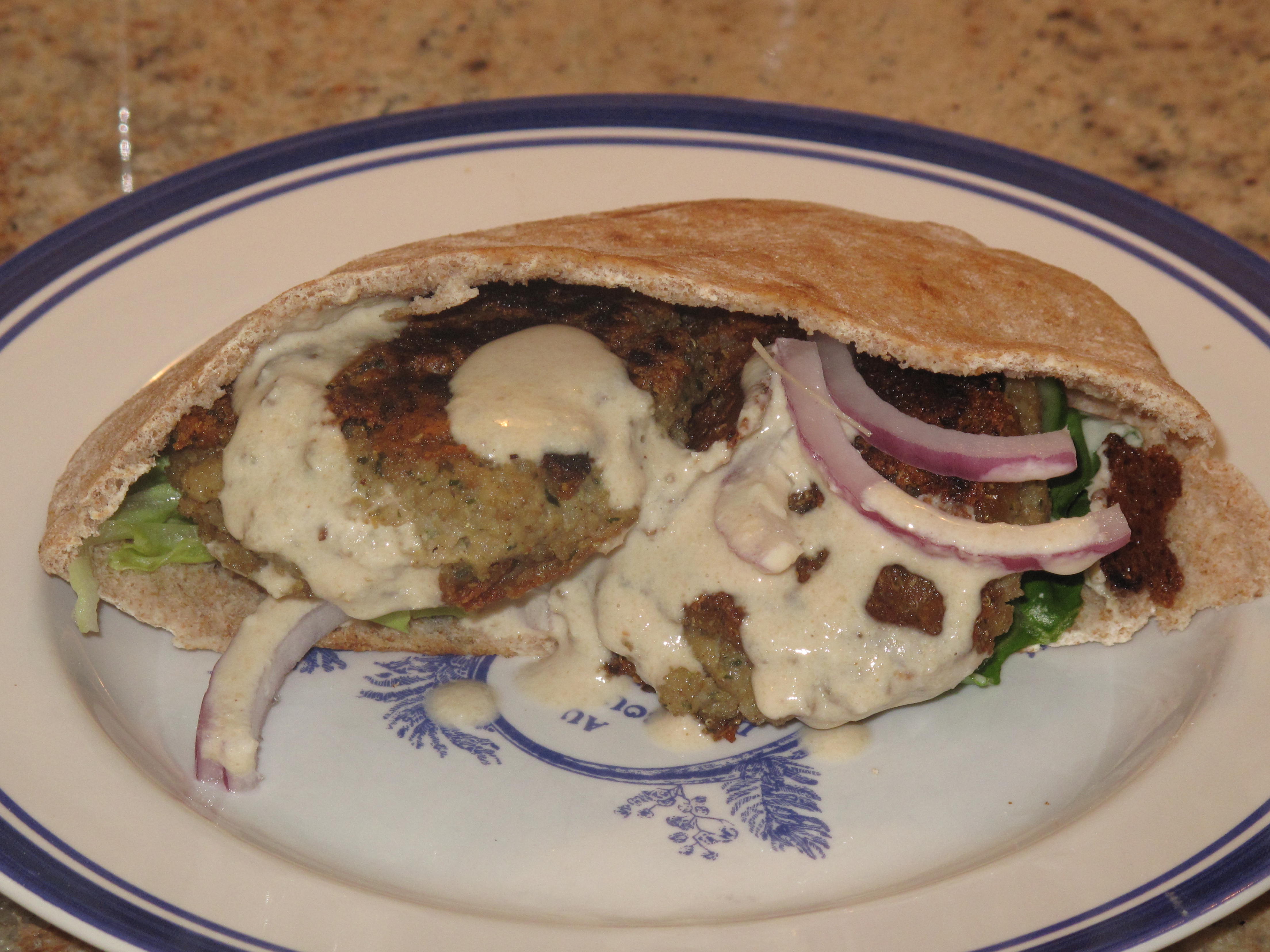
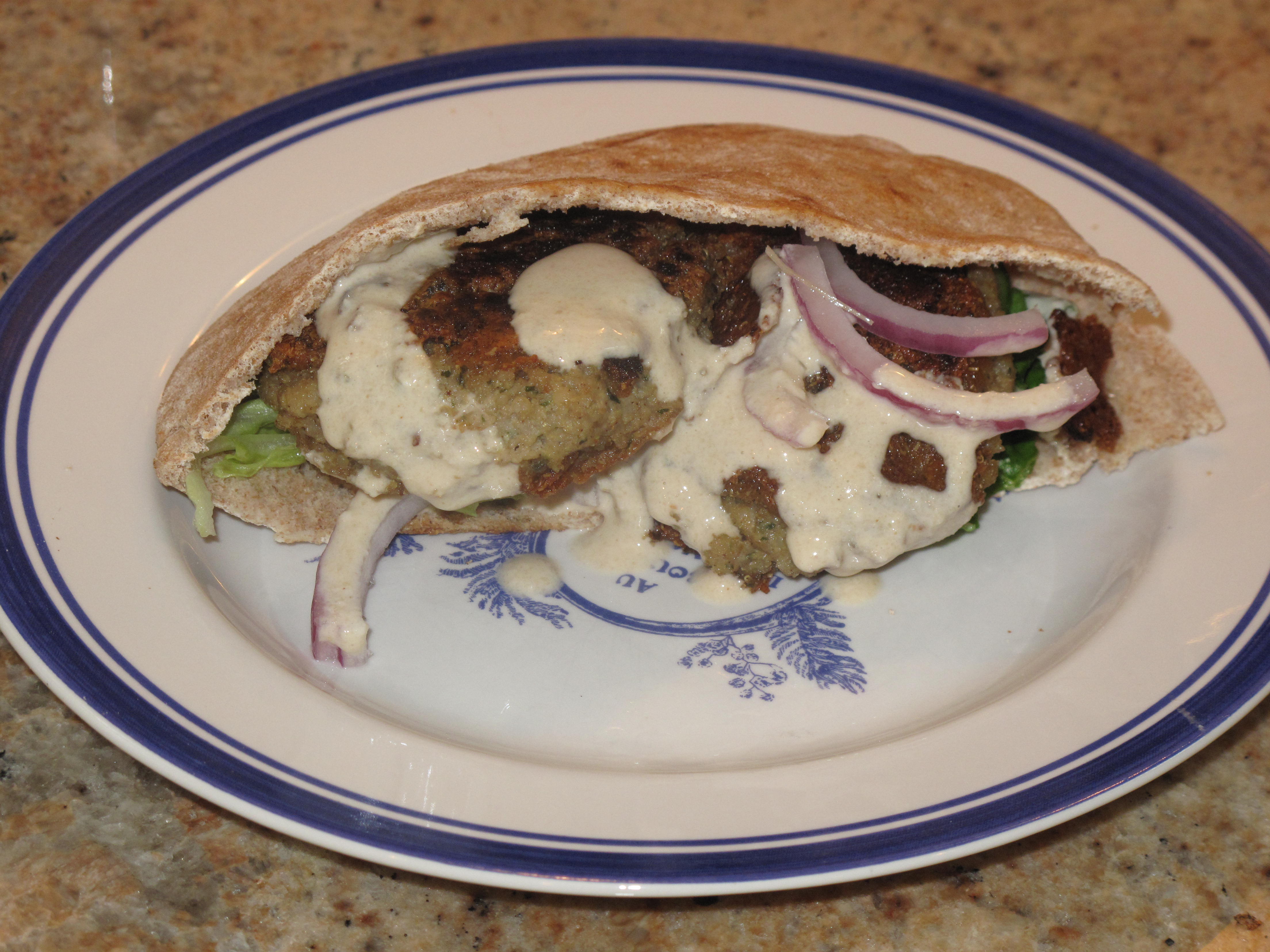
This is proof that eating healthy and dieting doesn’t have to taste bad. As we have said, all of us here on Glen Road are trying to shed a few pounds. Being on a diet is hard enough, but being on a diet on the weekend (especially in a house that loves to cook and eat) is crazy difficult. So we decided to plan out a few meals that we would cook and eat over the weekend to make sure we were still in the kitchen, but eating foods that are healthy and good for us. This is a recipe for a healthy sandwich we put into whole-wheat pita pockets. We modified it from a recipe that is in a cookbook titled ‘Power Foods’ which is from the editors of ‘Whole Living Magazine’. These patties are inspired by the Middle Eastern dish kibbe, most often made with ground lamb and bulgur wheat. This pita is stuffed with great vegetables, patties made up of a mixture of turkey and a grain called quinoa and finally topped with a drizzle of an easy tahini dressing. The combination of turkey and quinoa is very rich in protein, with a chewy texture that contrasts nicely with the crisp vegetables and the creamy tahini dressing drizzled on top. Tahini is a very thick ground sesame seed paste. The paste is turned into a dressing by adding lemon juice and garlic. Let’s dig in!

Ingredients:

  • 1 cup white quinoa (We got ours at the health food store from a bulk bin)
  • 2 garlic cloves
  • 1/4 cup tahini (Again, we got ours at the health food store)
  • 1/4 cup fresh lemon juice
  • 12 ounces ground dark-meat turkey
  • 1/4 teaspoon plus 1 pinch ground allspice
  • 1/2 teaspoon plus 1 pinch ground cumin
  • Pinch of crushed red-pepper flakes
  • 2 tablespoons chopped Italian flat-leaf parsley
  • 2 scallions, finely chopped
  • 3/4 teaspoon coarse salt
  • Canola or safflower oil for frying
  • 6 lettuce leaves, torn into large pieces
  • 1 English cucumber (10 ounces), thinly sliced into rounds
  • 1 small red onion, cut into thin half-moons
  • 6 whole-wheat pita breads

Directions:

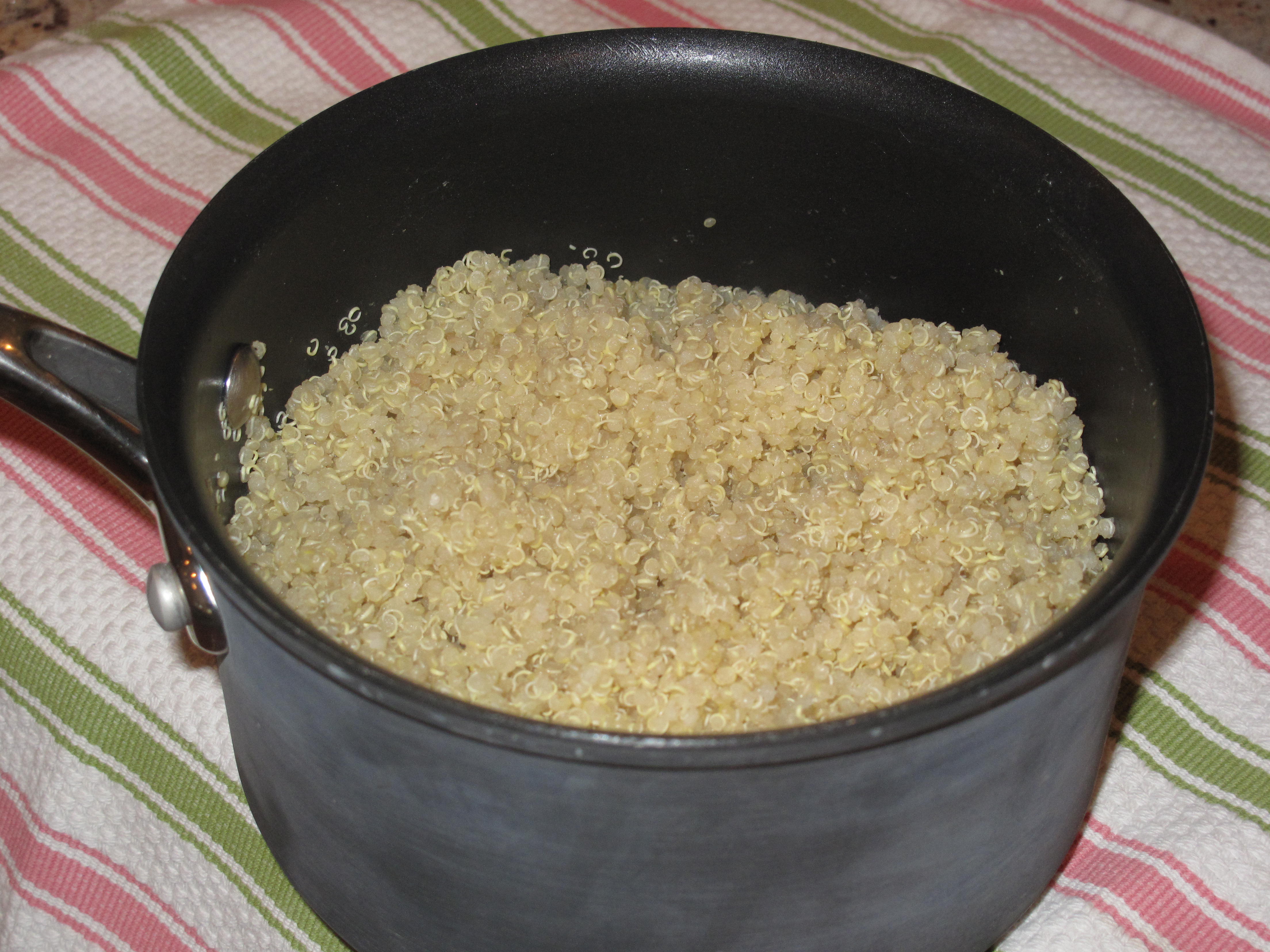
Rinse quinoa thoroughly in a fine sieve; drain. Bring 2 cups water to a boil in a medium saucepan. Add quinoa; return to a boil. Stir quinoa; cover, and reduce heat. Simmer until quinoa is tender but still chewy, about 15 minutes. Fluff quinoa with a fork; let cool.

Meanwhile, process garlic, tahini, lemon juice and 1/4 cup cold water in a food processor until smooth. If necessary, thin with water until pourable. Transfer dressing to a small bowl; cover. Refrigerate until ready to use.

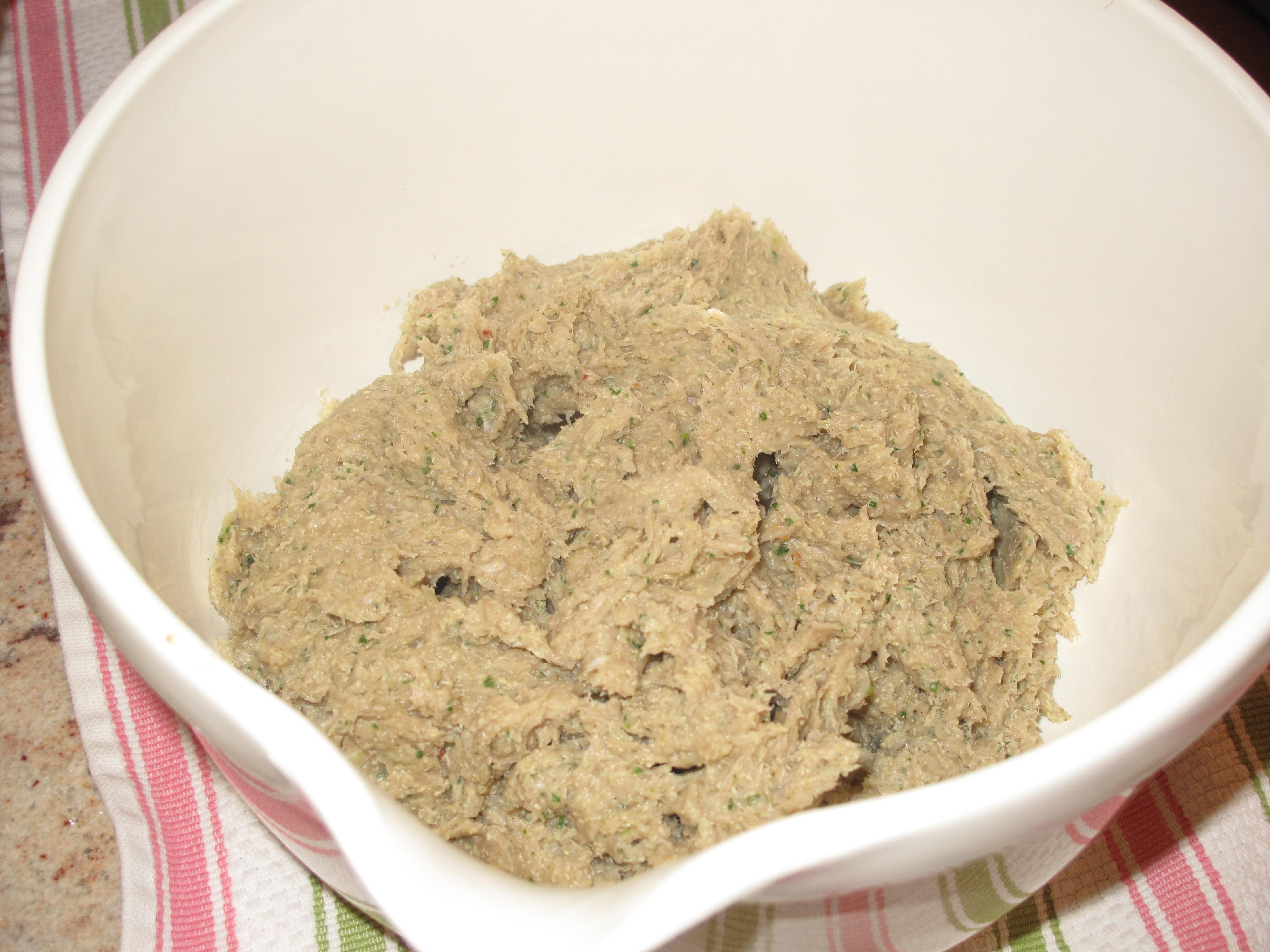
Put turkey, spices, parsley, scallions and salt in a clean bowl of the food processor; pulse until a smooth paste forms. Add quinoa; process until mixture clumps around the blade, about 2 minutes. Transfer to a bowl. The mixture is somewhat sticky.

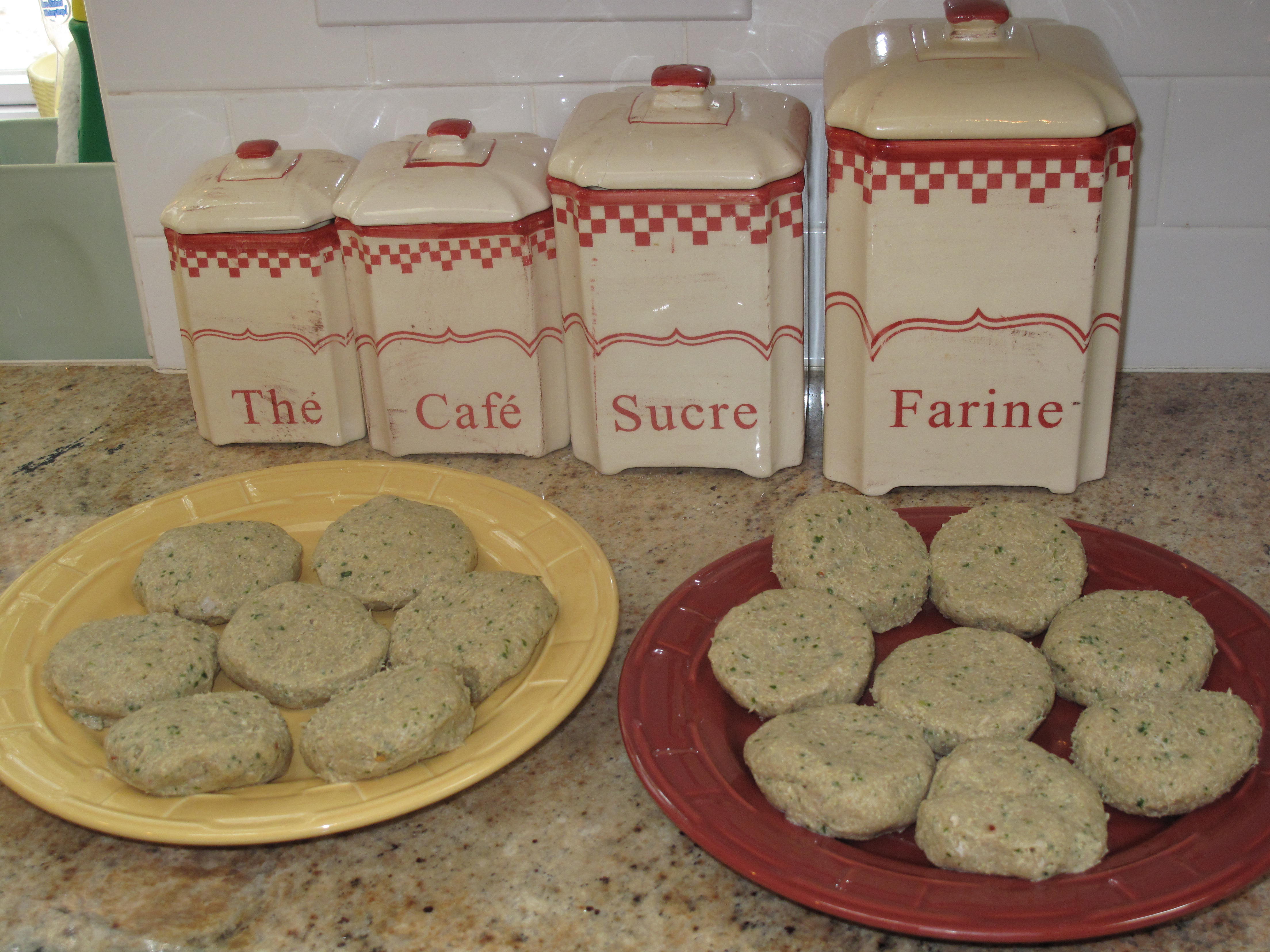
With dampened hands, roll about 2 tablespoons quinoa mixture into a ball; flatten slightly, and set aside on a plate. Repeat with remaining mixture. We scooped the mixture out of the bowl with an ice cream scoop to ensure each patty was uniform in size.

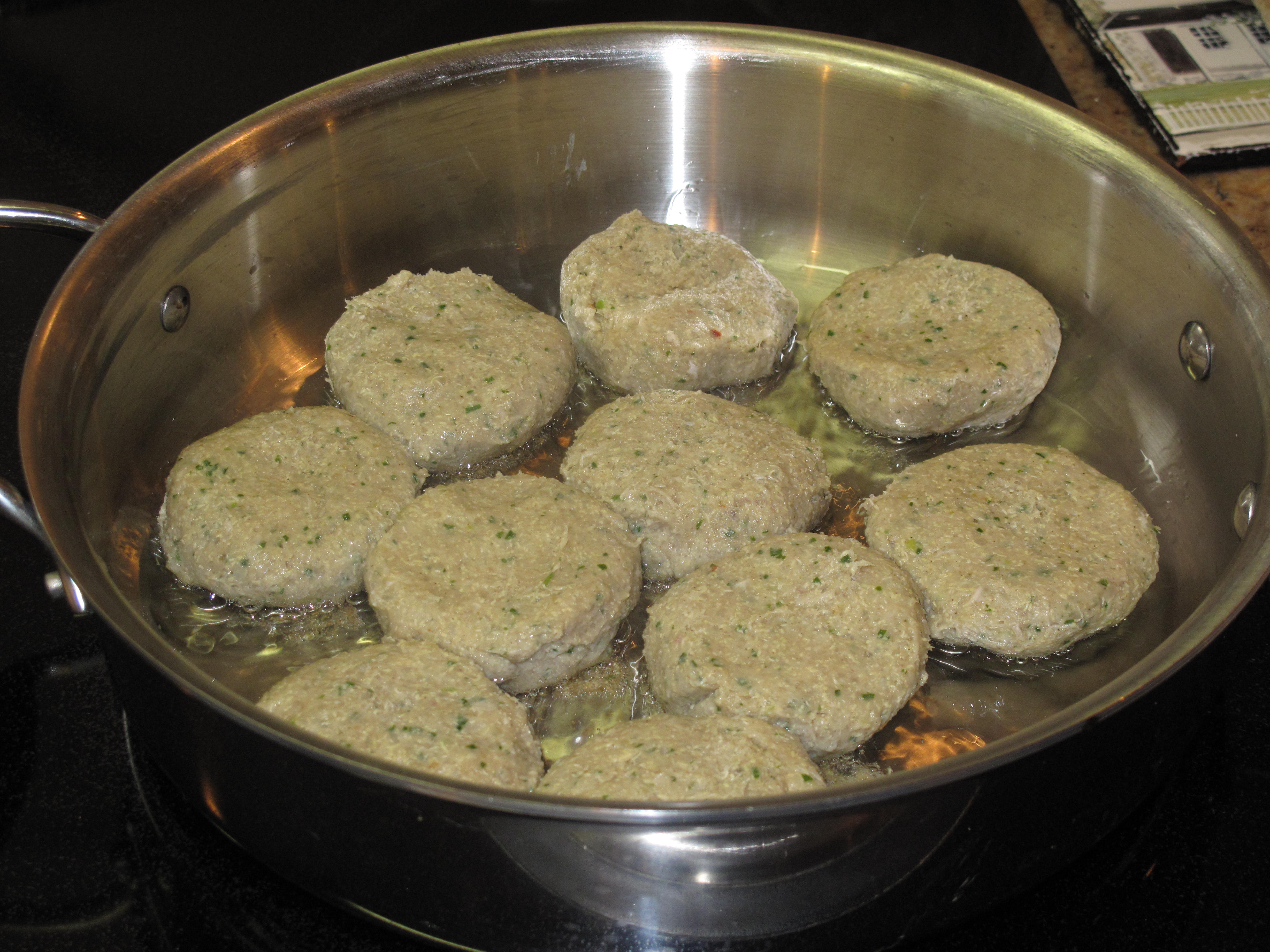
Heat a skillet or grill pan with 2 teaspoons of the oil over medium heat until hot. Working in batches, cook patties in skillet, turning once, until cooked through, about 8 minutes per side. Transfer patties to a clean plate and loosely cover with foil to keep warm. Replenish oil in pan as needed.

Divide lettuce, cucumber and red onion among pita breads; top each as many quinoa patties as needed to fill pita. Drizzle each sandwich with tahini dressing.

The Glen Road group is a tough crowd when it comes to food. They tell the truth. You can be cooking in the kitchen for two days straight and they’ll look you in the eye and tell you that what you cooked didn’t taste very good. As a cook, someone’s honest opinion is the best feedback. These pita sandwiches got thumbs up from everyone. No one even complained that they were good for us as well. So if you are looking for something different for lunch or dinner (and good for you, but you don’t have to tell this little secret if you don’t want to), try these quinoa and turkey patties in pita. Very tasty! What recipes do you have that are good for starving Connecticut dieters?

A Field Trip To Le Farm Restaurant

This is Le Farm restaurant in Westport, Connecticut.  We were lucky to go there for dinner over the weekend.  Le Farm is one of those great restaurants where it seems one dish is better than the one you ate right before it.  It is an absolute great place for dining.  What else is great about it is that it is one of the front-runners in the farm to table movement.  Bill Taibe is the executive chef and here is how the restaurant and local farmers operate together to make the food at Le Farm some of the best and freshest food in the area.  This is from the website for Le Farm:

Farmers like to grow things.  They don’t like to market, advertise and transport them.  Bill Taibe likes to cook.  He loves using local ingredients — the fresher the better.  The convergence of area farmers and Taibe is good news for diners — and not just fans of Le Farm, Taibe’s restaurant that earns raves for showcasing market-based food cooked and presented in a homey, comfortable and very sustainable atmosphere.  Thanks to RSA — “Restaurant Supported Agriculture,” a concept that Taibe knows needs a zippier name — 5 local restaurants now offer the best in local products.  Banding together, they guarantee farmers a market for their goods.  Promising to buy takes pressure off the farmers.  They reciprocate by planting what the chefs request.  Make no mistake:  It’s not just lettuce, tomatoes and corn anymore.  Taibe — who built 2 previous restaurants on the barter system, and admits he “may have been born in the wrong century” — explains that RSA is based on the Community Supported Agriculture (CSA) model.  RSA is less structured – shares are not bought in advance from farmers — but the concept is similar.
Once a week — via the Green Village Initiative — 5 restaurants (Le Farm, the Boathouse and Dressing Room in Westport, CT, plus Wilton, CT’s Schoolhouse and Fat Cat Pie Company in Norwalk, CT) receive a list from local growers of whatever is ripe.  By 4 p.m. each Monday, the chefs respond with their own list:  what they want.  The farmers pick the crops on Tuesday morning.  By 2:30 that afternoon, Green Village Initiative volunteers have gathered it and it’s ready for pick-up by the restaurateurs.

Le Farm is a very small restaurant.  We counted 11 tables and were told that the restaurant holds 34 people at capacity.  That doesn’t mean there are 34 people dining there at one time.  The hostess told us that the kitchen cannot accommodate that many diners at one time.  So when you dine there, you are eating with a relatively small number of people and the atmosphere is really quiet and relaxed.

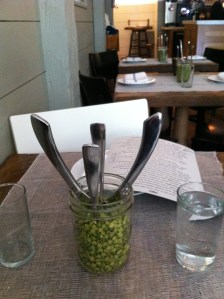
Wooden tables line the walls in a very homey and country sort of way.  Glass jars filled with dried split peas hold the silverware.  Water for the table is brought to you in country-style bottles.  There is a wine list for sale and limited cocktails are available made with spirits that were hand selected by Le Farm.  Have you ever heard of:

  • Tito’s Hand-Made Vodka
  • Caeden Head Old Raj Gin
  • Gran Centennaro Plata Tequila
  • Ben Riach 12 Year Scotch?

After you’ve secured the beverage of your choice, the food starts to roll in and you can’t believe what you are feasting on.  Let us show you some of the things our party ate while at Le Farm.

Let’s start with appetizers.
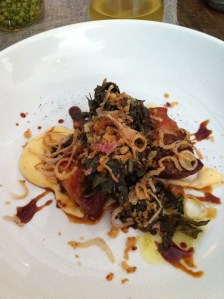
This is roast pork belly with whipped cornbread, collards and sweet bacon vinegar.
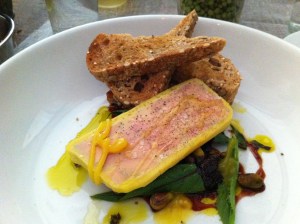
How about foie gras terrine with cherry marmalade, pistachios and toast?
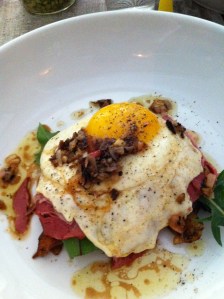
This is smoked duck potato hash with black truffle and a fried egg.
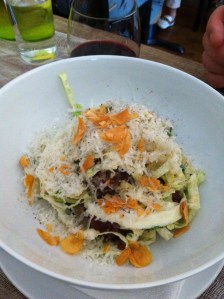
This is an aged beef meatball salad with green cabbage, pignoli, parmesan and pickled cipolinis.
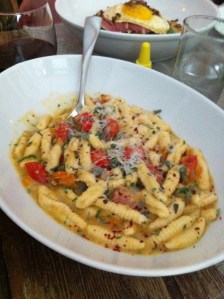
Last, but definitely not least, here is some cavatelli for the table made with sweet 100 tomato pan sauce, spicy oregano and parmesan.  We asked what sweet 100 was and we were told it was a type of tomato.

Who said we were done eating yet?  Now it is on to our main courses.  Not as many pictures as many of us got the same dish.  Great minds think alike I guess???  Here is what we had.

A Southern classic.  This is shrimp and grits with italian sausage, roasted corn and shrimp sauce.
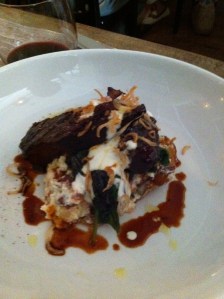
A little comfort food?  Brisket braised in beer with beet tops, potatoes with horseradish and dill.
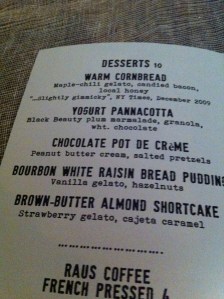
You can’t leave without dessert can you?  We couldn’t, that’s for sure.  Take a look at these treats.

This is a chocolate pot de creme with peanut butter cream and salted pretzels.

A brown-butter almond shortcake with strawberry gelato and cajeta caramel.
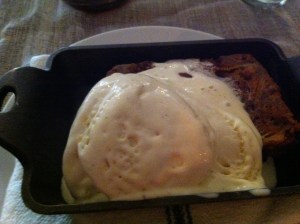
Some bourbon white raisin bread pudding with vanilla gelato and hazelnuts.

We’ll admit we were stuffed.  Well, with all this food, we were beyond stuffed.  If you are ever in Westport, Connecticut, Le Farm is a restaurant you must go to and enjoy.  We think you can tell a difference when you are eating really fresh and local ingredients prepared in such fun and inventive dishes like those served to us.  Tell us about your favorite farm to table restaurants in your neck of the woods?

A Tomatillo First Here On Glen Road

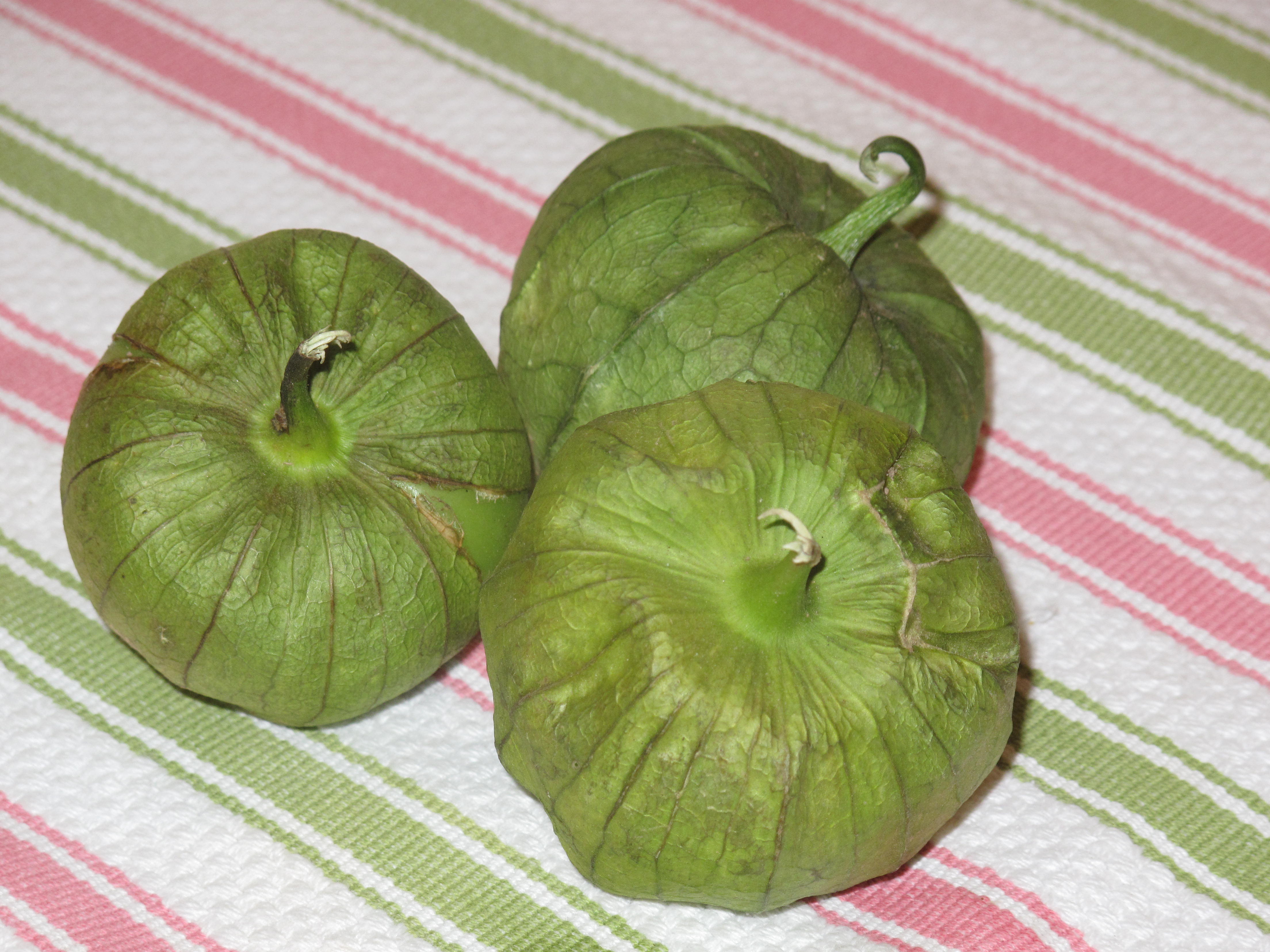
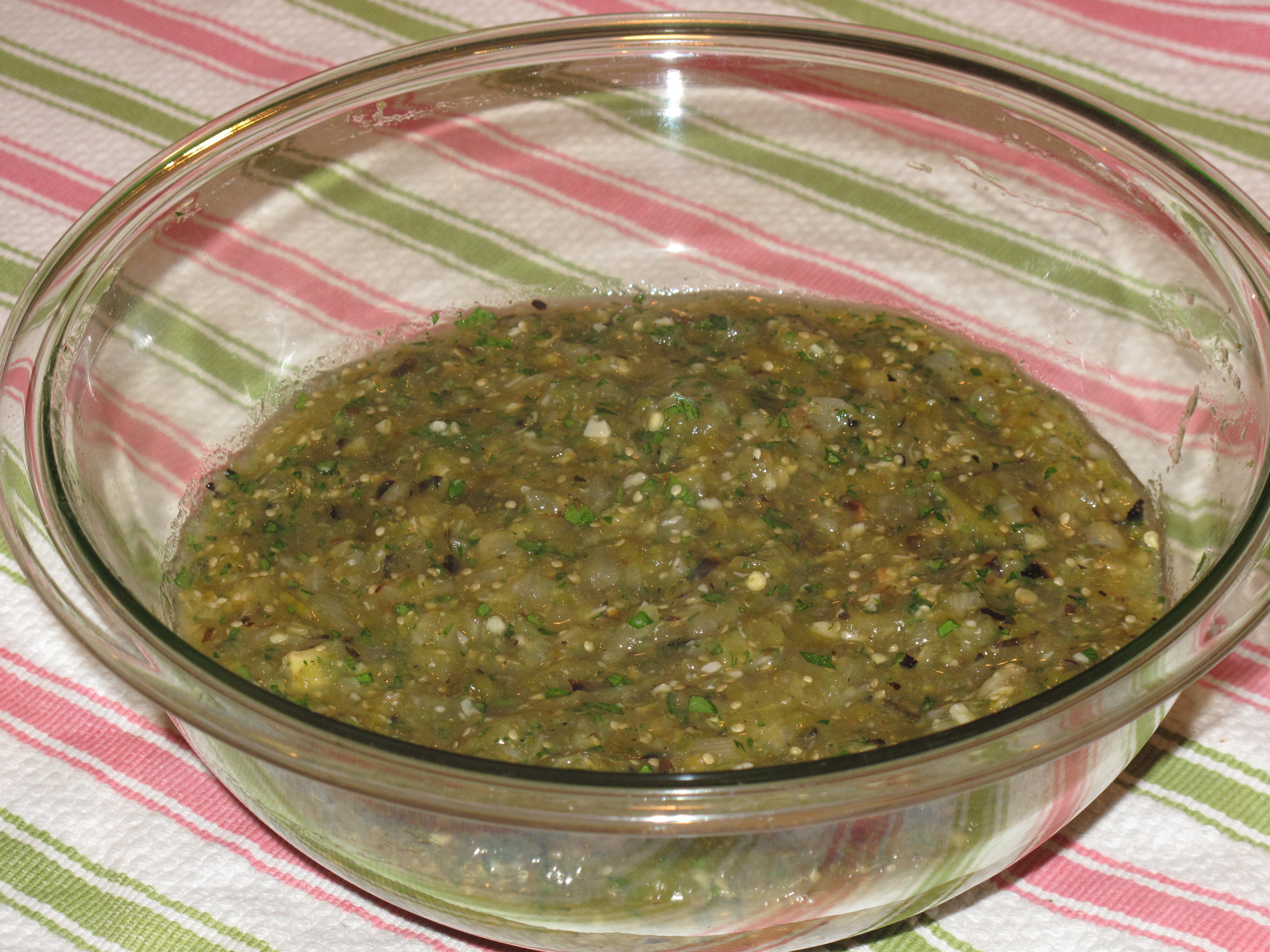
This is a group of tomatillos that we bought on Sunday.  We have never cooked anything here on Glen Road that contained tomatillos.  Why the sudden change of heart?  On Sunday, we went to the market and we were going to buy some green salsa.  For some reason, we turned the bottle around to read the label and we were shocked at how many ingredients were in it that we couldn’t pronounce.  Then at the farmers’ market, a woman told us tomatillos are great right now and so we bought some.  We went home to make our own green salsa and we are glad we did.

Tomatillos are small green-tomato look-alikes encased in paper-thin husks.  Tomatillos are only distantly related to true tomatoes.  Raw ones have a distinctive tangy citrus flavor that is great in salsas.  They are also great roasted until soft and then pureed.  Good ones have taut husks and lime green skin underneath.  You can refrigerate them in a paper bag up to 1 week.  When ready to use, peel away the husks and rinse any sticky residue off before using.

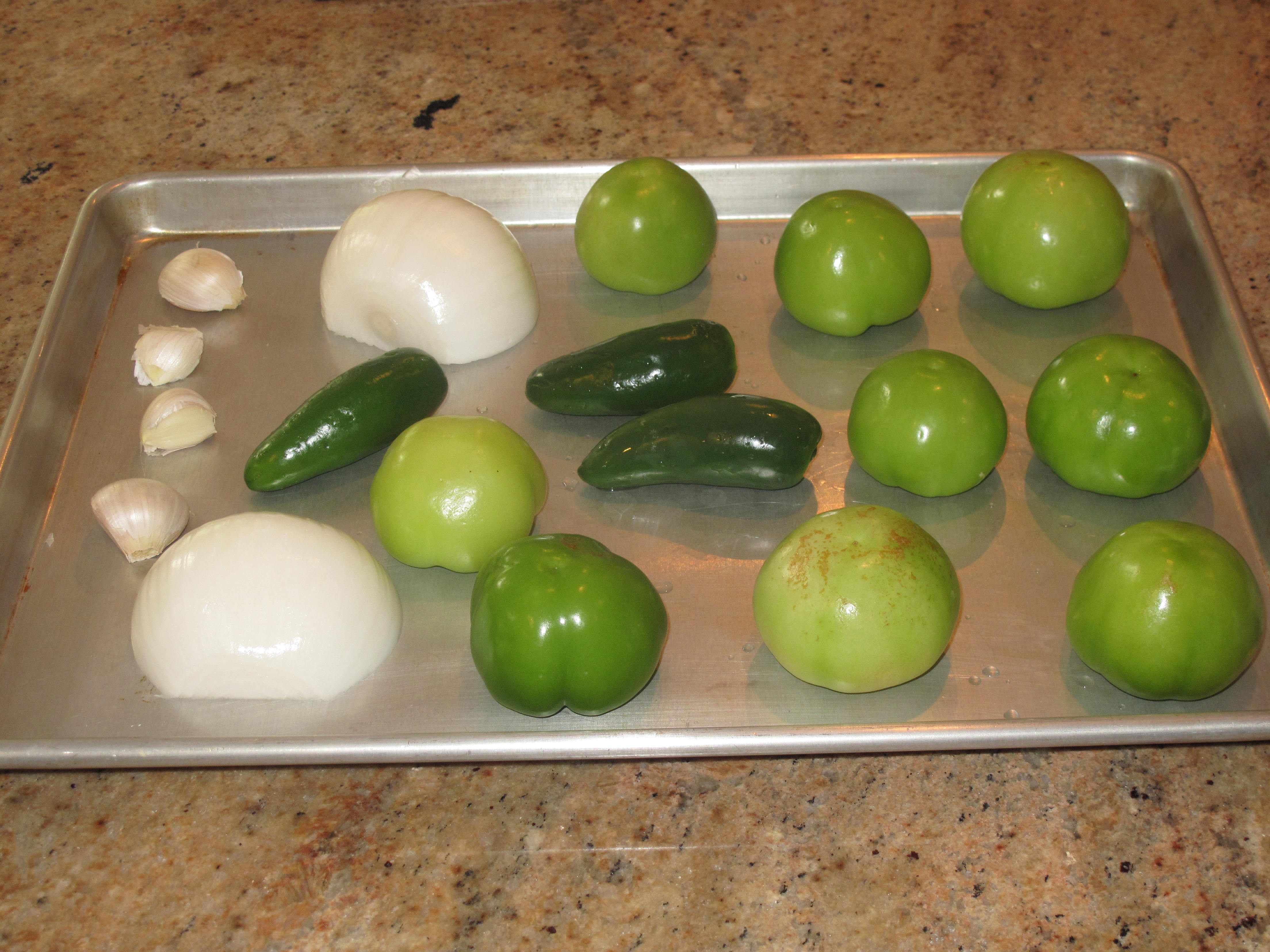
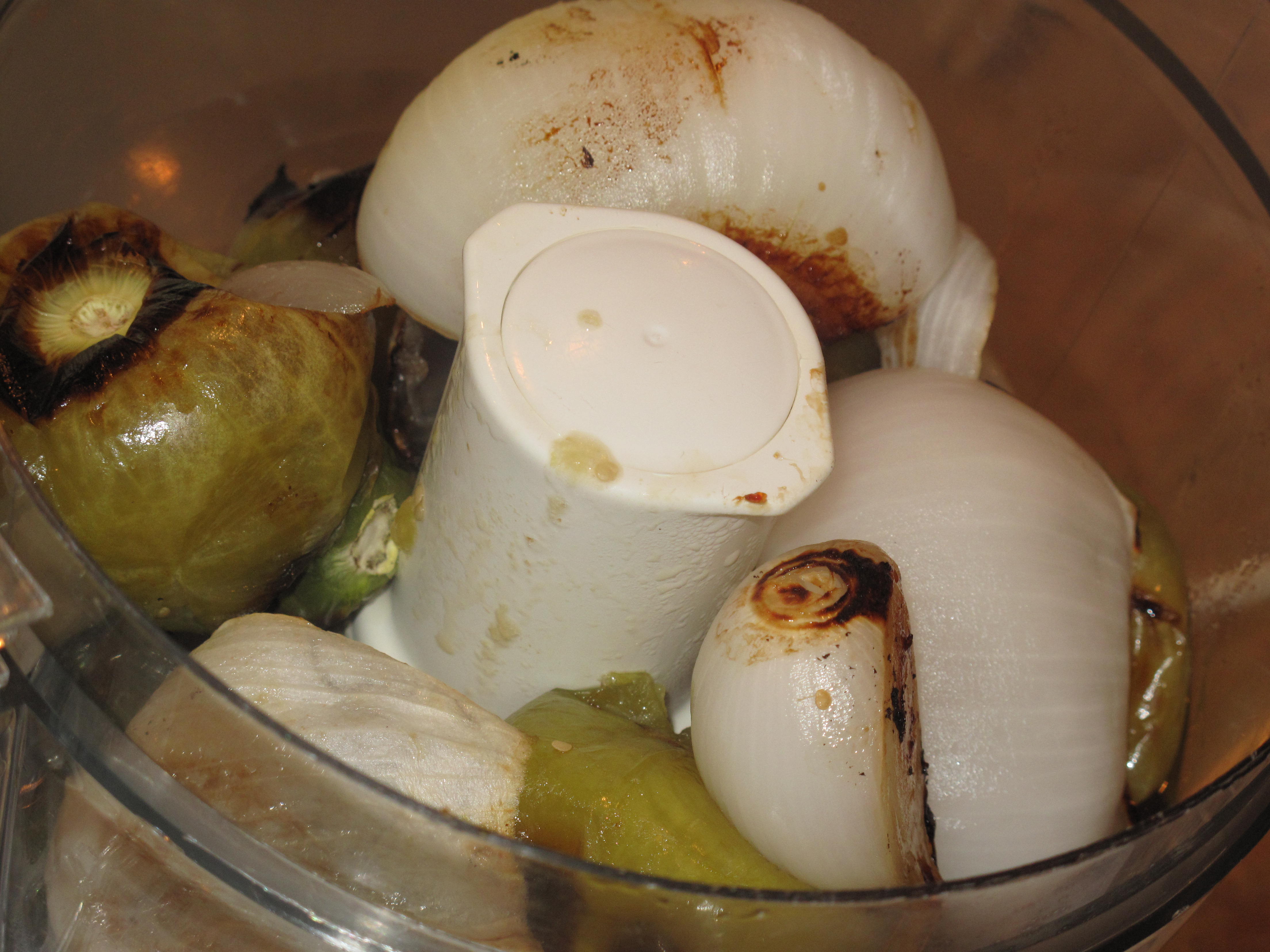
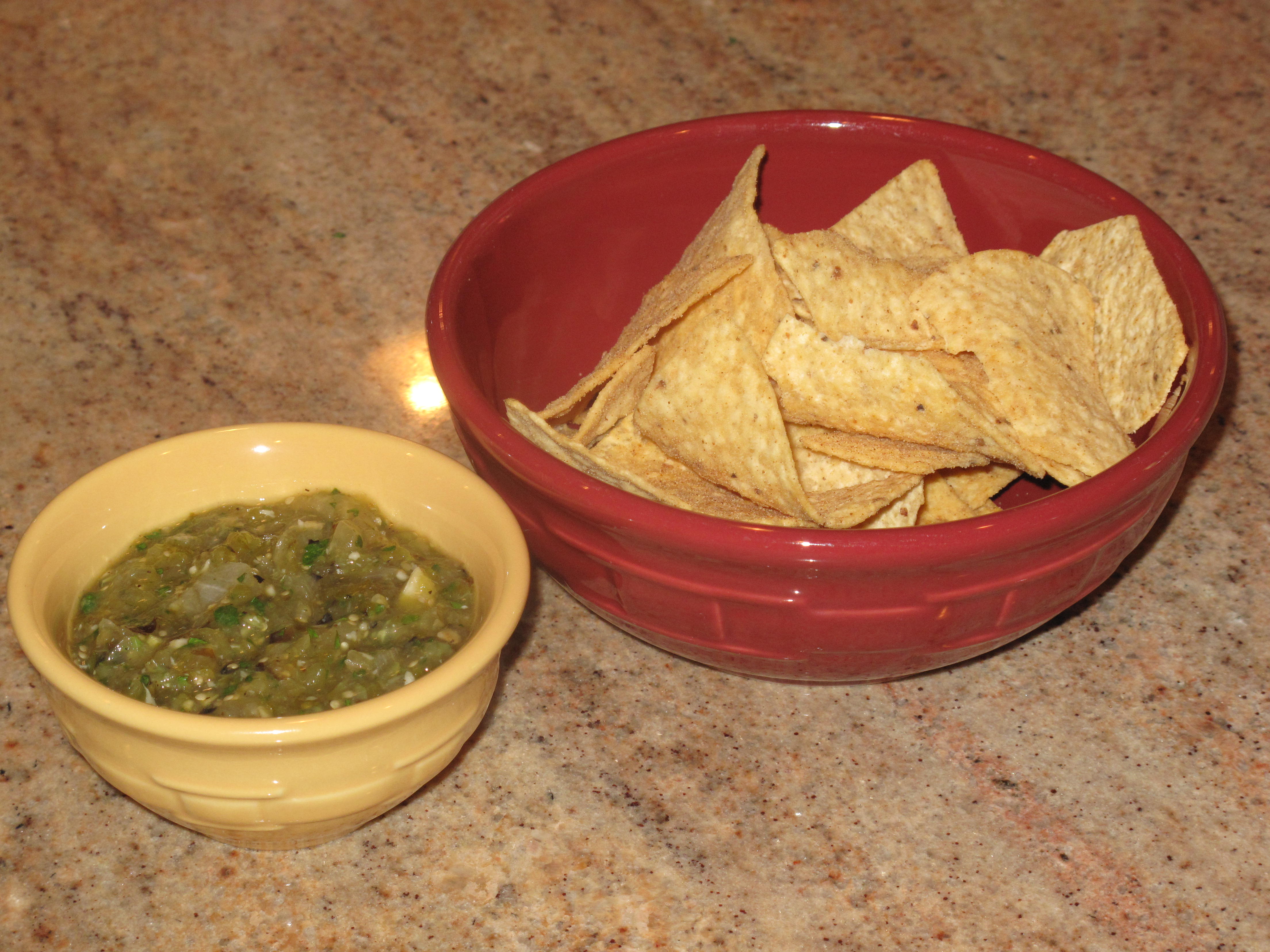
We decided on a classic roasted green salsa to serve with tortilla chips.  The roasting effect gave the salsa a deep, slightly smoky flavor.  All ingredients are roasted under the broiler until they are a little blistered and the vegetables become somewhat soft.  The vegetables become soft depending on their size–small vegetables are first and the tomatillos and onions are last.  As you take soft vegetables out from underneath the broiler, place them directly into the bowl of a food processor while the other vegetables continue to broil.  Our salsa definitely had a little heat to it.  If you prefer less heat, use fewer jalapenos or remove the ribs and seeds from the ones that you do use.

Ingredients:

  • 1 1/2 pounds of tomatillos, husks and stems removed
  • 1 medium white onion, halved
  • 3 japapenos, stems removed
  • 4 garlic cloves, unpeeled
  • 1/4 cup Italian flat parsley (you can use cilantro if you prefer)
  • Coarse salt and ground black pepper

Directions:

Heat broiler with rack in the top position.  Place all vegetables (except parsley) in a single layer on a rimmed baking sheet.

Broil until vegetables are blistered and slightly softened.  Rotate the sheet often and flip vegetables frequently.  Vegetables will become soft depending on their size from 8 to 15 minutes.  Take them out as they become soft.

Discard garlic skins.  In a food processor, pulse garlic and vegetables until coarsely pureed.  Season with coarse salt and ground pepper and pulse to combine.  Transfer salsa to a bowl and stir in 1/4 cup chopped parsley.

Refrigerate until cool and serve.  Salsa can be kept into the refrigerator up to 3 days or 3 months if frozen.

What a treat our roasted green salsa was and, better yet, there was nothing but natural ingredients in it.  If you serve salsa like this, a margarita cannot be far away.  It’s the perfect start to a Summer dinner party.  The next day, remember to use your left over green salsa over a grilled chicken breast or use it in place of ketchup over a burger.  There are tons of ways to use a fresh Summer salsa if you think about it.  So bring a tomatillo home this Summer and enjoy!  Do you have any recipes that use tomatillos that you could share here on Acorns On Glen?

Orange Marmalade When You Are In A Jam

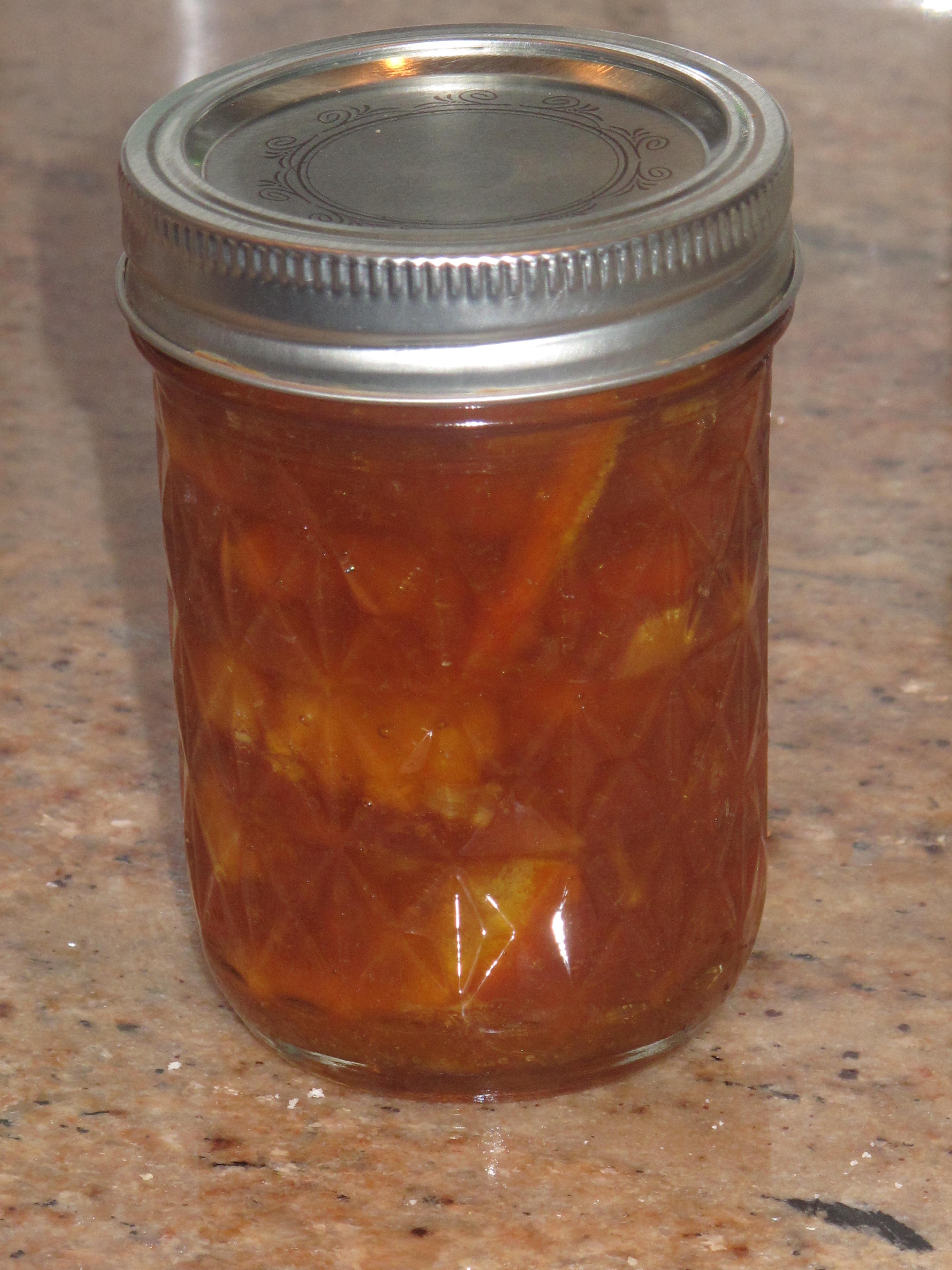
This is a jar of orange marmalade that we made over the weekend.  The simple reason why we made it?  We were in a jam.  🙂  We had run out of jam and jelly in the house and I needed something to go with the toast and peanut butter that I eat in the morning.  I have had this recipe for a long time, but never made it.  It is another recipe from one of my favorite chefs, Anna Pump.  She made it once a year at her store ‘Loaves and Fishes’ in the Hamptons and people signed up on a waitlist to get their share.  She finally published the recipe in one of her cookbooks.  When we ran out of jam and jelly, we didn’t have strawberries or blueberries in the house, but we did have oranges and lemons, which was my indicator that is was time to try the marmalade recipe.  Along with the oranges and lemons, you also need sugar.  Sugar is a staple in almost all jam, jelly and marmalade recipes.  I have read many times that the art of jam, jelly and marmalade making is knowing when the sugar has cooked down to the right consistency.  I think that there is a lot of merit in this statement.  Even though this recipe stretches out over two days, it is really easy.  I actually used a canning pot and gave my filled jars a water bath so that they would seal and last longer.  Using this method means your marmalade will last about 1 year.  You can also fill the jars and put the lids on them.  Once you do that, you can turn them upside down and let them semi-seal.  If you use this technique, the marmalade will only last about 3 months.  There is something so delicious about marmalade with little chunks of orange and lemon rind laced in it.  I have already tried some of my marmalade and it is well worth the effort.

Ingredients:

  • 4 large seedless oranges
  • 2 lemons
  • 8 cups sugar

Directions:

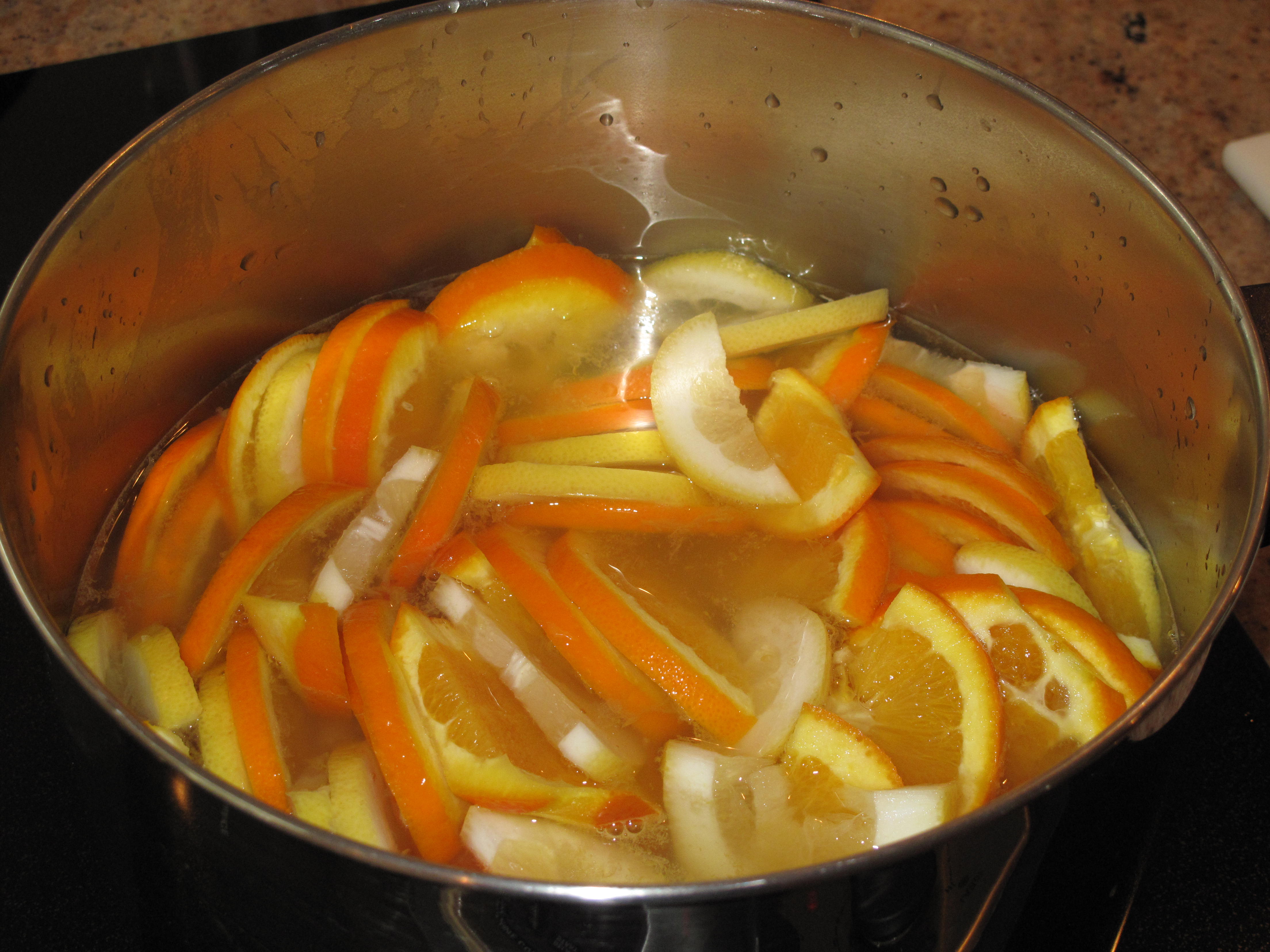
Cut the oranges and lemons in half crosswise, then into very thin half-moon slices (if you have a mandoline, this will be quite fast).  Discard any seeds.

Place the sliced fruit and their juices into a stainless steel pot.  Add 8 cups water and bring the mixture to a boil, stirring often.  Remove from the heat and stir in the sugar until it dissolves.  Cover and allow to stand overnight at room temperature.

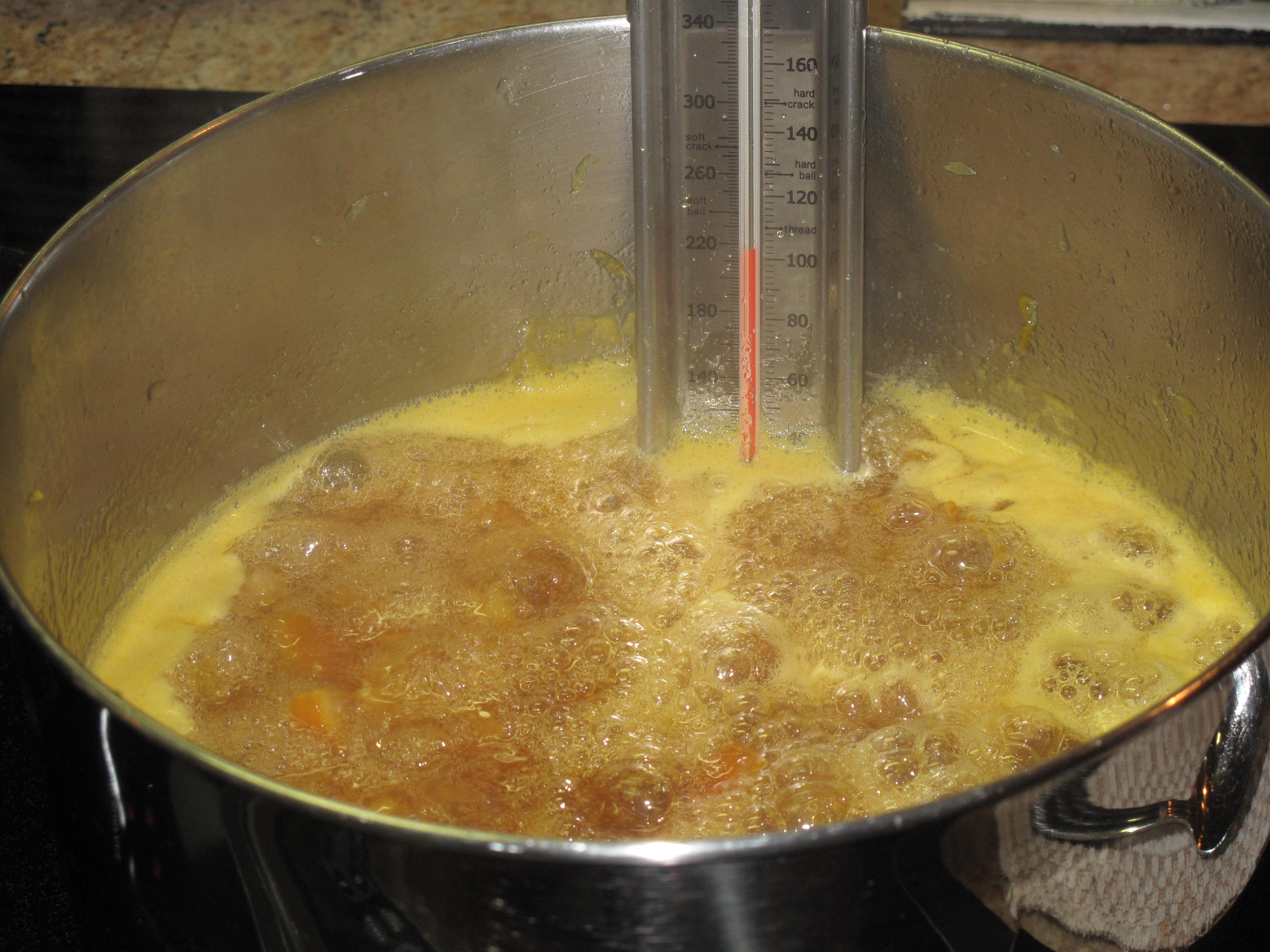
The next day, bring the mixture back to a boil.  Reduce the heat to low and simmer uncovered for about 2 hours.  Turn the heat up to medium and boil gently, stirring often, for another 30 minutes.  Skim off any foam that forms on the top.  Cook the marmalade until it reaches 220 degrees on a candy thermometer.  If you want to be doubly sure it’s ready, place a small amount on a plate and refrigerate it until it’s cool but not cold.  If it’s firm (neither runny nor too hard) it’s done (if the marmalade is runny, continue cooking it and if it’s too hard, add more water).  The marmalade will be a golden orange color.

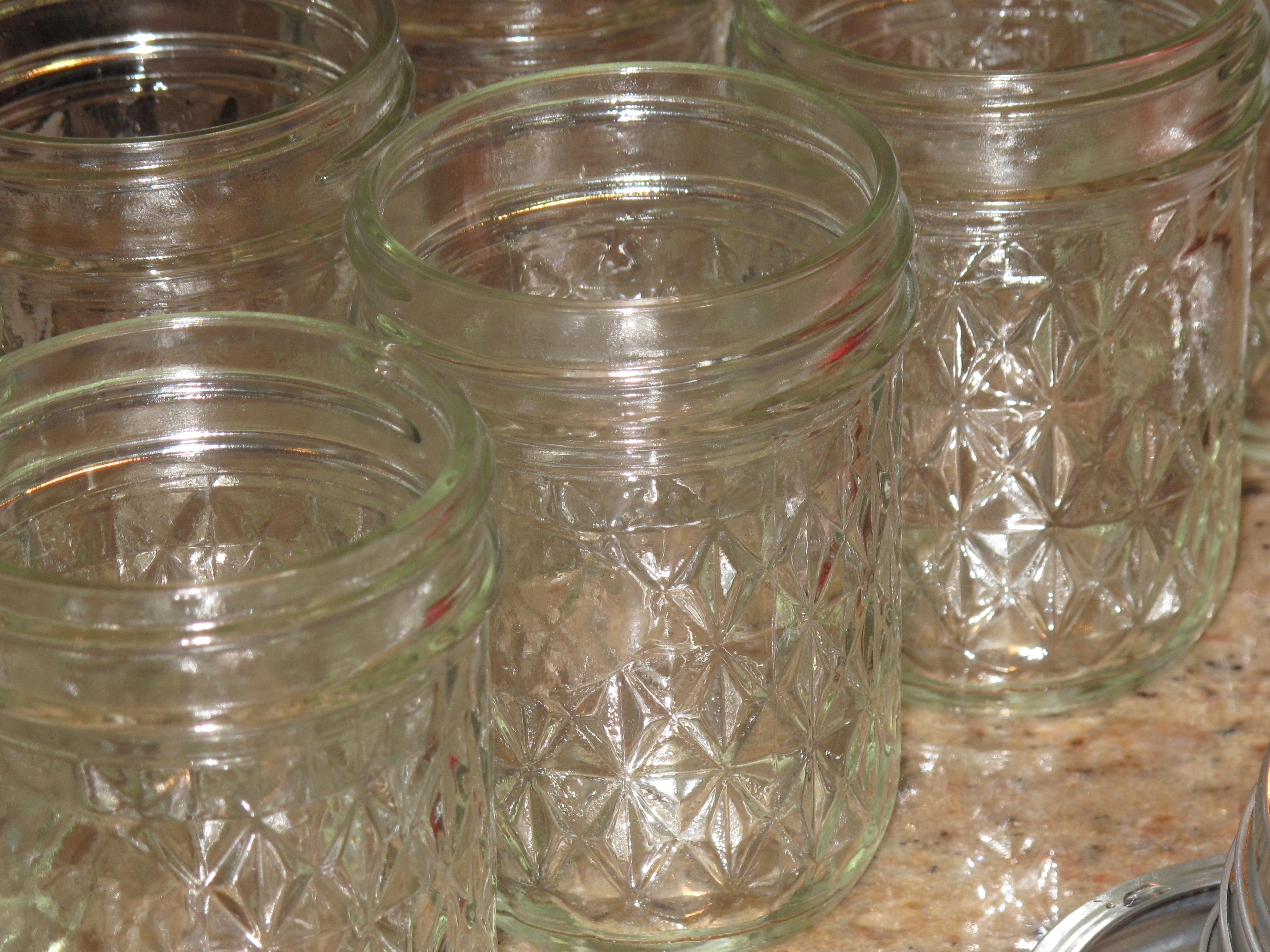
While the marmalade is cooking, make sure that your Mason jars, lids and caps are clean and that they are very hot at the point you are going to fill them with marmalade.  They must be hot to ensure that food bacteria will not grow and ruin the marmalade or make you sick.  The best way to get the Mason jars hot is to put them through a complete wash and dry cycle in the dishwasher without using any soap.

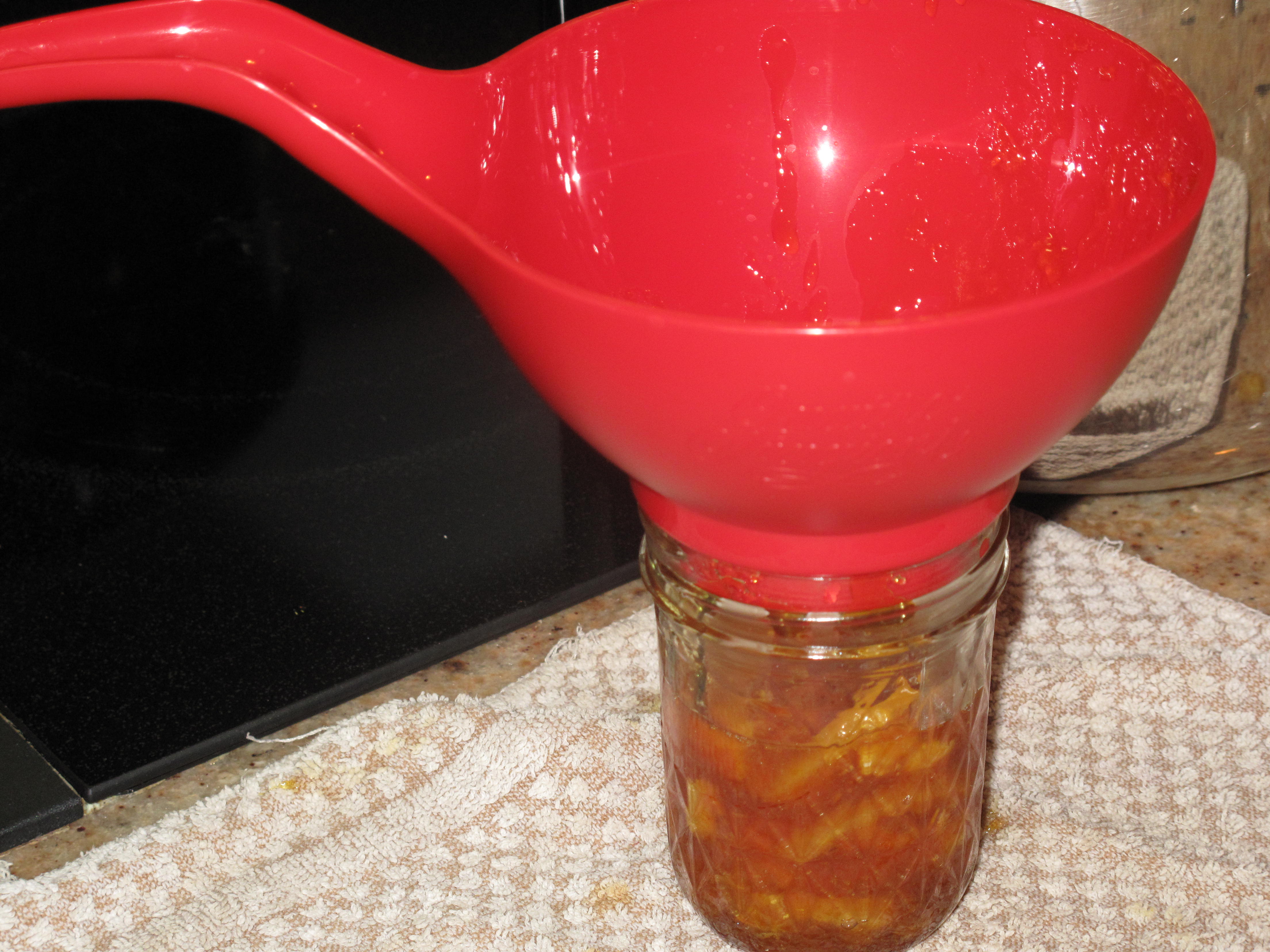
Pour the marmalade into the clean, hot Mason jars and wipe the rims thoroughly with a clean damp towel and then attach the lids.

Place jars into a canning pot filled with boiling water about 1 to 2 inches above the top of the jars.  Boil in the water for 10 minutes in the covered canning pot.

Remove jars and allow them to cool and seal.  The top of the lid will not pop up and down if the jar has properly sealed.  Store in the pantry for up to a year.

The recipe actually made nine 8 ounce jars of marmalade and a little bowl that we kept for immediate eating.  It was really great.  I will tell you that 8 cups of sugar seemed like quite a bit of sugar to me when I first read the recipe, but I did not find the finished product too sweet.  Use your judgement if you think you would like it a little less sweet and reduce the amount of sugar to 6 or 7 cups.  It will still taste great.  The best part is that we now have enough marmalade to last us through the rest of the Summer and well into the Fall and Winter when marmalade tastes even better for some reason.  The jars can also be decorated and given as gifts.  Have you ever made homemade jam, jelly or marmalade and what kind is your favorite?

A Non-Traditional Strawberry Shortcake

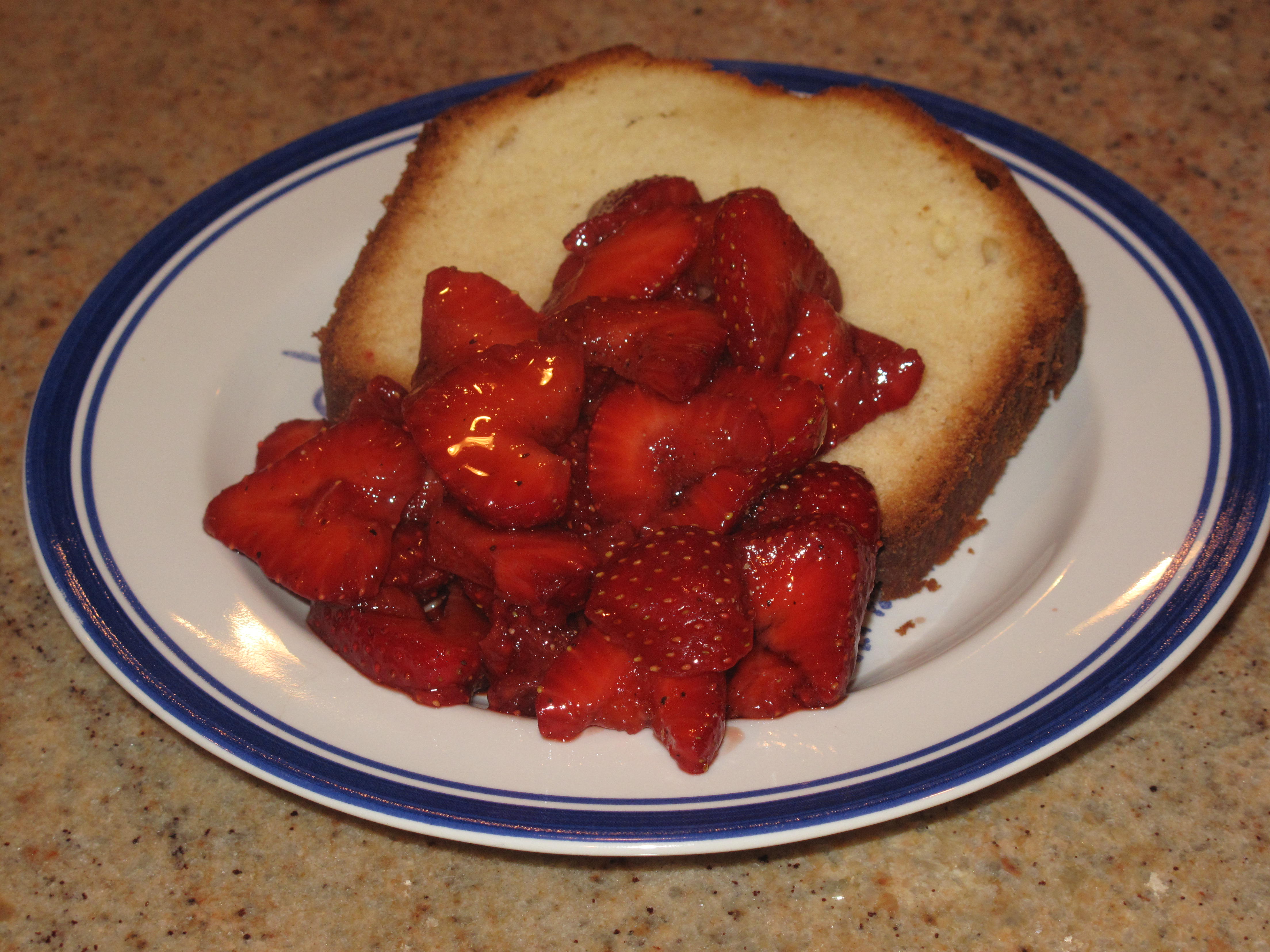
This is my take on strawberry shortcake.  I love strawberries, but place them in a traditional strawberry shortcake recipe and I don’t really care so much for them.  I think that the strawberry sauce with its syrup is too sugary sweet for my liking.  The shortcake is another thing I don’t like either.  A homemade shortcake tastes like it has too much of something in it.  Maybe baking powder?  Then when it is topped with whipped cream, that does it for me.  Just too much sweetness.  I guess I don’t really strawberry shortcake on second thought.  So I wanted to create my take on traditional strawberry shortcake that takes all the sugar and sweetness out of it.  I want sugar, don’t get me wrong, but I also want it to have a little kick as well.  Something that plays off the tongue.  So this is my non-traditional strawberry shortcake recipe that uses a honey vanilla pound cake and balsamic strawberries.

Ingredients:

For the honey vanilla pound cake:

  • 1/2 pound (2 sticks) unsalted butter, at room temperature
  • 1 1/4 cups sugar
  • 4 extra-large eggs, at room temperature
  • 2 tablespoons honey
  • 2 teaspoons pure vanilla extract
  • 1 teaspoon grated lemon zest
  • 2 cups sifted cake flour
  • 1 teaspoon kosher salt
  • 1/2 teaspoon baking powder

For the balsamic strawberries:

  • 2 pints fresh strawberries, hulled and sliced
  • 1 tablespoon balsamic vinegar
  • 1 1/2 tablespoons sugar
  • 1/4 teaspoon ground black pepper

Directions:

Preheat the oven to 350 degrees.  Grease the bottom of an 8 1/2 x 4 1/2 x 2 1/2-inch loaf pan.  Line the bottom with parchment paper, then grease and flour the pan.

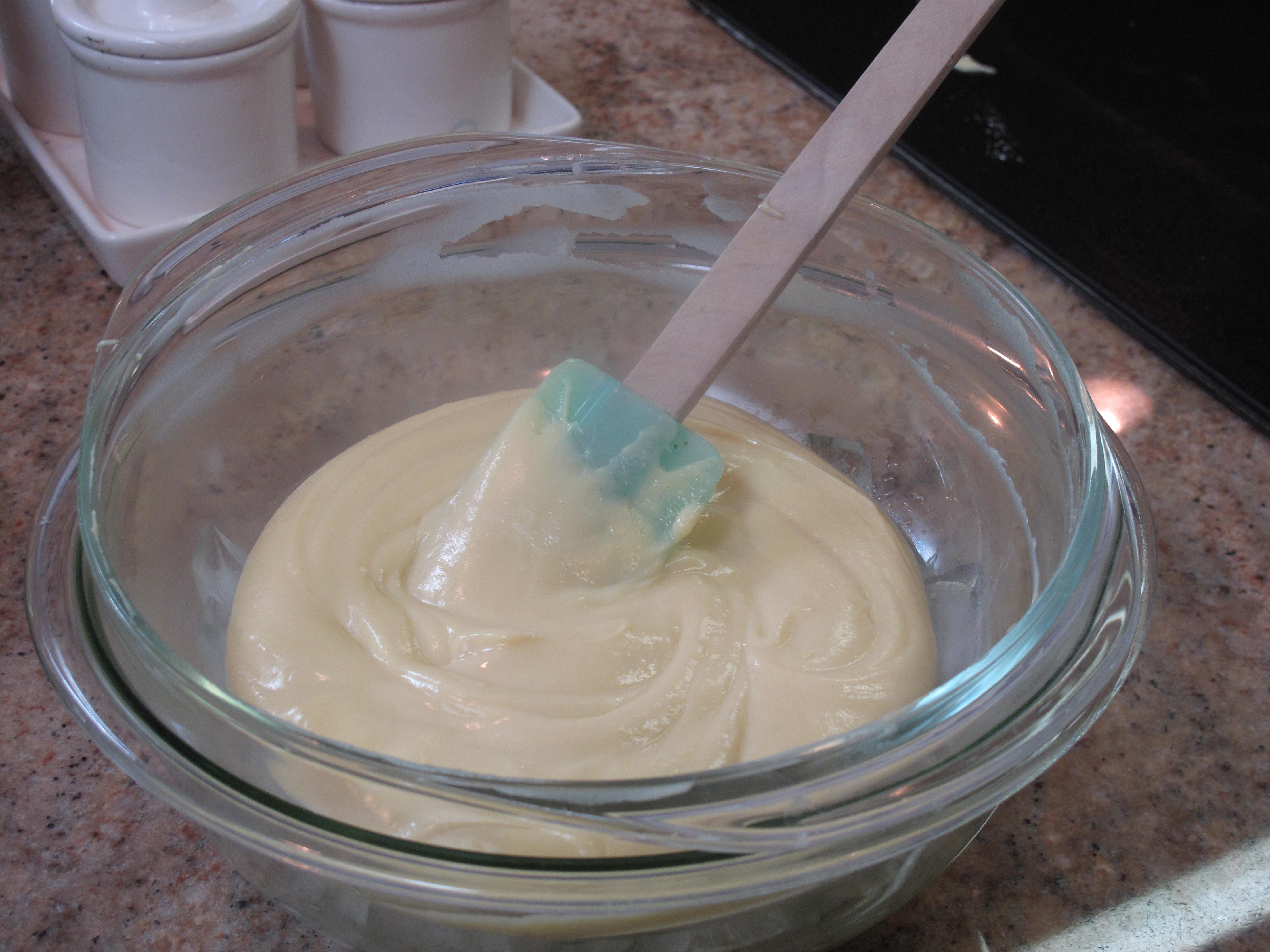
In the bowl of an electric mixer fitted with the paddle attachment, cream the butter and sugar on medium speed for 3 to 4 minutes, until light.  Meanwhile, put the eggs, honey, vanilla and lemon zest in a glass measuring cup but do not combine.  With the mixer on medium-low speed, add the egg mixture, one egg at a time, scraping down the bowl and allowing each egg to become incorporated before adding the next egg.

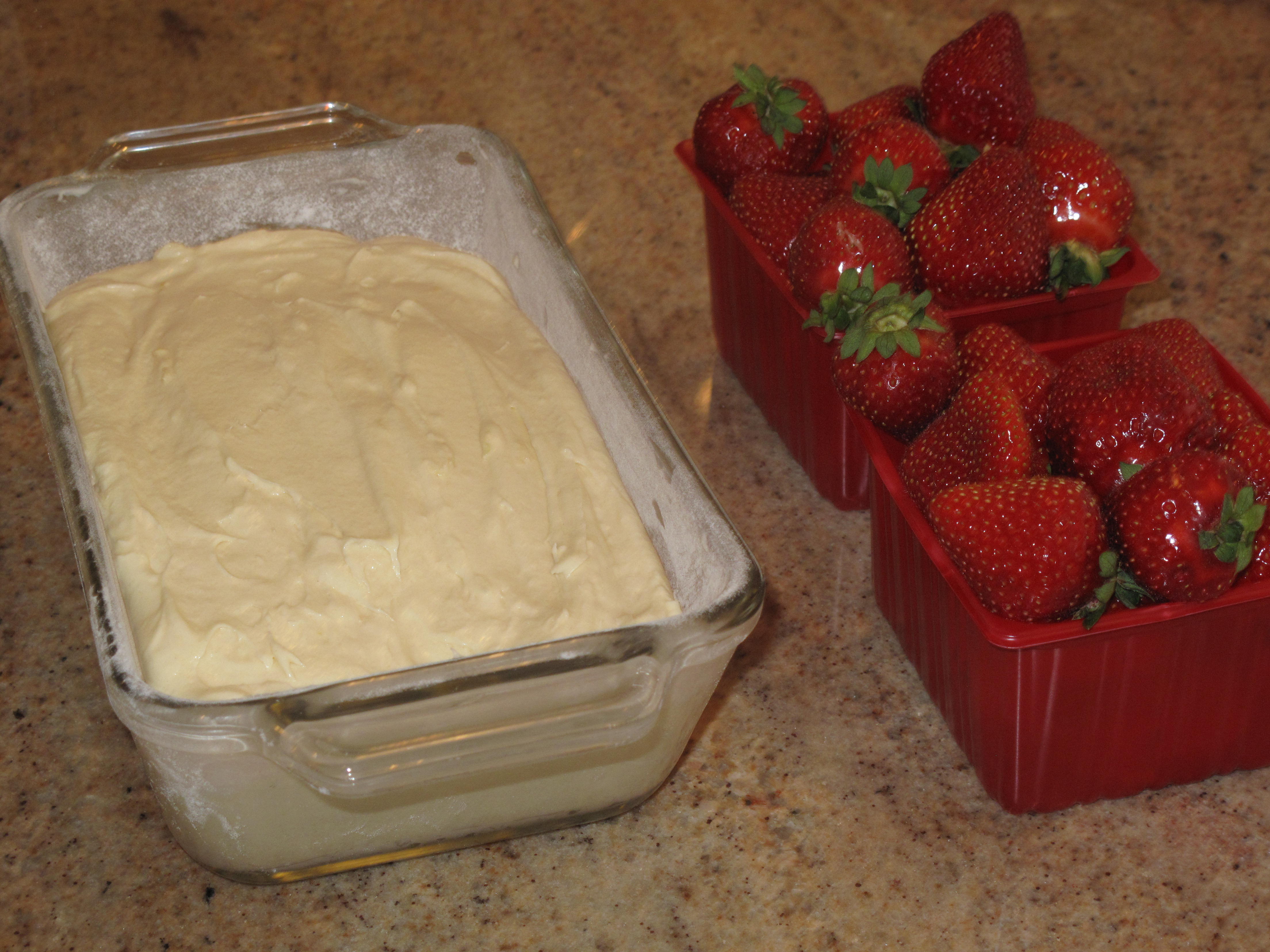
Sift together the flour, salt and baking powder.  With the mixer on low-speed, add it slowly to the batter until just combined.  Finish mixing the batter with a rubber spatula and pour it into the prepared pan.  Smooth the top.

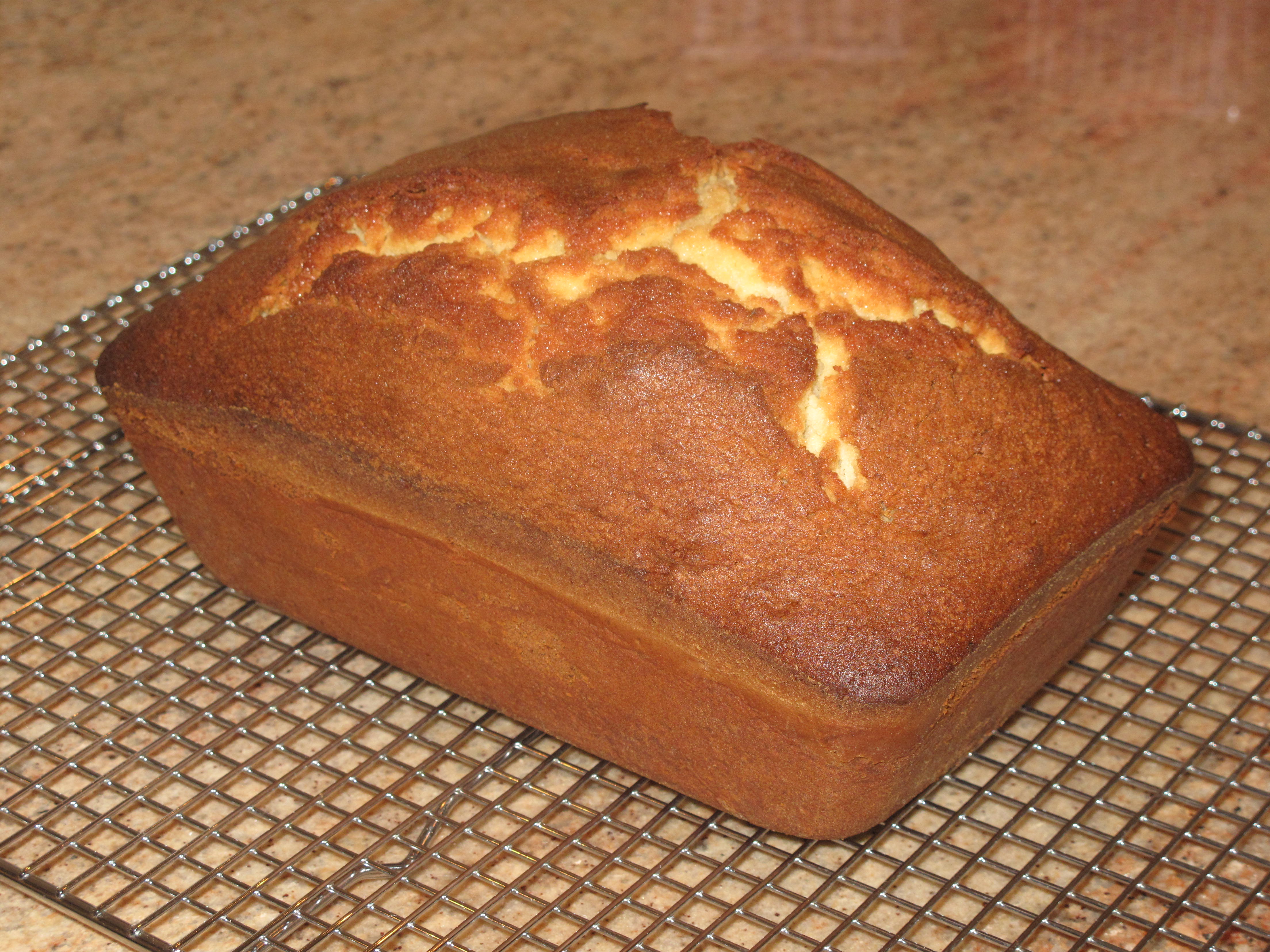
Bake for 50 to 60 minutes, until a toothpick inserted in the center comes out clean.  Cool for 15 minutes, turn out onto a baking rack and cool completely.

About 30 minutes before you are going to serve the pound cake, take the sliced strawberries and mix with the balsamic vinegar, sugar and ground black pepper.  Stir to mix all ingredients.  Cover and place back in the refrigerator to chill and blend flavors.  Cut the cake and place an appropriate amount of strawberries over the pound cake.

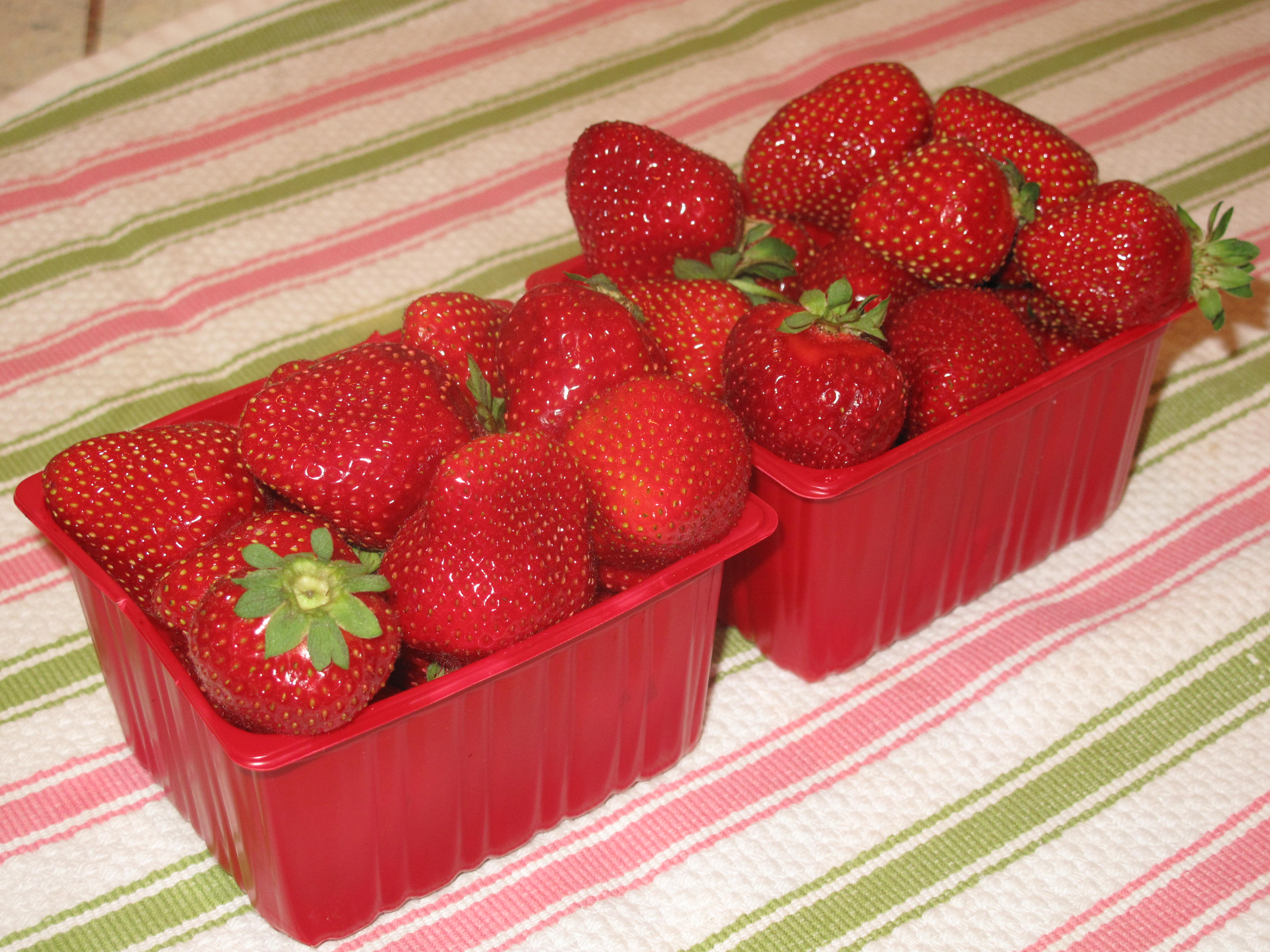
There you have it.  My non-traditional strawberry shortcake.  Even though it’s not my speed, a little whipped cream on top would be pretty good too if you choose.  It’s your choice.  We were so lucky to get some great strawberries at the farmer’s market.  Very fresh and pesticide free which is always nice to have.  Farmer’s markets seem to be everywhere these days so take a trip to your local one and pick up some great fruits and vegetables.  It may cost a little more but the flavor boost is worth it.  What strawberry recipes do you like that you could share on Acorns On Glen?

Boston Cream Pie Made In Connecticut

This is a Boston Cream Pie made in Connecticut.  Is this against the law?  Let’s hope not, because I don’t think I look good in stripes.  I liked this recipe, I really did.  People ate it, which is always a good sign.  I’m going to make it again, but the next time, I’m going to do one thing different.  I’m saying this up front.  It’s not to turn you off, but I’m saying it because I believe recipes that interest you should always be made and then modified to be even better the next time you make it.  So many people make a recipe and if it is not perfect the first time, they never make it again.  I like to make things and then jot notes on what was good and what was not good and then think the recipe through and modify ingredients or cooking times so that it is even better the next time I make it.  Most times my modifications are good ones.  Sometimes not, but that’s the fun of cooking in my opinion.  OK, so let me break this recipe down for you and tell you what was great and what I’m going to modify the next time I make it.

The cake itself is really made in four parts:  the pastry cream, the cake, the chocolate ganache frosting and the assembly.  I loved making the pastry cream (my first time) and the taste was fantastic.  Light and creamy with a hint of vanilla.  The chocolate ganache frosting was also delicious.  It was the standard ganache recipe where you use chocolate and heavy cream.  What could be wrong with this combination?  Assembly was really easy so that is always a plus.  It was the cake.  The yellow cake was good, but not great.  It was a little too dense and not as flavorful as I would have liked.  The next time I make this, I’m going to try to find a different yellow cake recipe, even if I have to go the Duncan Hines route (I can hear the gasps and screams now from my true foodie readers).  If I can get the cake to be more moist and a little sweeter, this recipe goes from good to great.  No doubt about it.  I’m going to walk through the recipe as written and tell you what I used and what I did during my first attempt.  Please make this cake.  It’s worth the effort and I hope I haven’t talked you out of giving it a try…just modify.  Did I just make a new saying?  “Give it a try…just modify”.  Who knew I could be this clever?

Ingredients:

FOR THE CAKE

  • 2 1/2 cups all-purpose flour
  • 1/2 teaspoon baking powder
  • 1/2 teaspoon baking soda
  • 1 teaspoon coarse salt
  • 1 cup safflower oil, plus more for pans
  • 1 1/2 cups sugar
  • 4 large eggs
  • 1 teaspoon pure vanilla extract
  • 1 cup sour cream

FOR THE PASTRY CREAM

  • 5 large eggs: 1 whole egg plus 4 egg yolks
  • 1/3 cup granulated sugar
  • 1/4 cup flour
  • 1 1/2 cups whole milk, scalded
  • 1/2 teaspoon pure vanilla extract

FOR CHOCOLATE TOPPING

  • 1 cup heavy cream
  • 8 ounces semi-sweet chocolate chips

Directions:

FOR THE CAKE:  Preheat oven to 350 degrees.  Oil and flour two 8-inch round cake pans.  In a medium bowl, whisk together flour, baking powder, baking soda and salt.  In a large bowl, whisk together the oil and sugar.  Whisk in eggs and vanilla.  Alternately add in flour mixture and sour cream, beginning and ending with flour.  Divide batter between pans.  Bake for 30-35 minutes, until cakes pull away from the side of the pan.  Cool in pans for 10 minutes.  Transfer to a wire rack to cool completely.

FOR THE PASTRY CREAM:  In a large bowl, lightly beat the egg and yolks together.  Add the sugar, a little at a time.  Continue beating until mixture falls in ribbons when the beater is lifted, about 5 minutes.  Mix in the flour.  Begin to add the milk, a little at a time.  Add a little milk and then let it mix well until you add a little more.  The worst thing you can do is add too much and end up with scrambled eggs on your hands.  Transfer the mixture to a saucepan.  Boil gently over medium heat, cooking and whisking until the mixture thickens, 10 minutes.   Strain the mixture though a fine sieve into a large bowl.  Stir in the vanilla.  Press plastic wrap over the surface.  Cool for at least 1 hour.  To chill cream quickly, place bowl over a bowl of ice and stir until cooled.

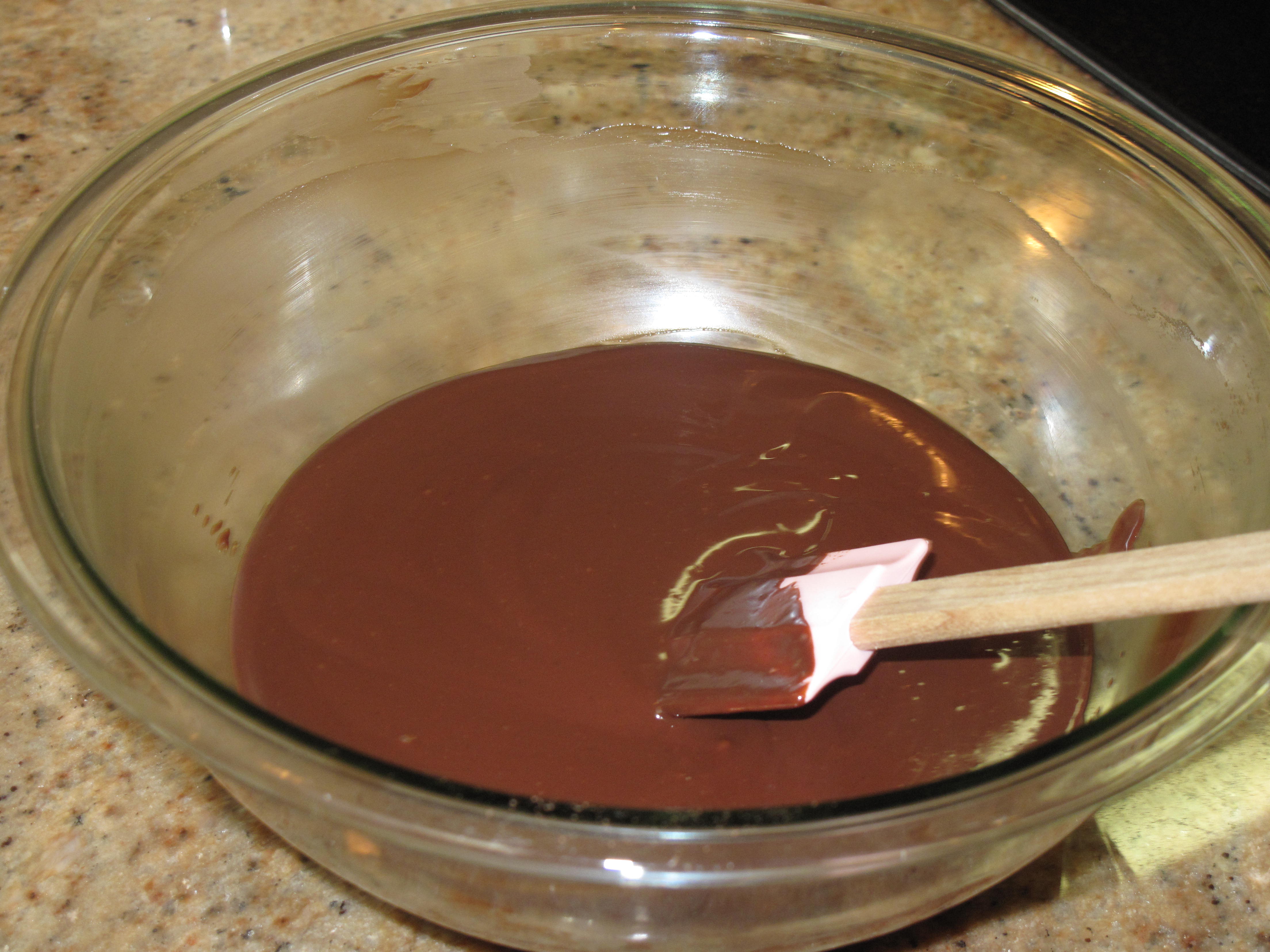
FOR THE CHOCOLATE TOPPING:  Place chocolate in a medium bowl. Bring cream to a simmer in a small saucepan. Pour cream over chocolate and leave undisturbed 1 minute. Stir completely and allow to cool until it turns into a frosting consistency.  It is really shiny and runny in the beginning.  I place mine in the refrigerator and keep checking on it until it is the right consistency for frosting.

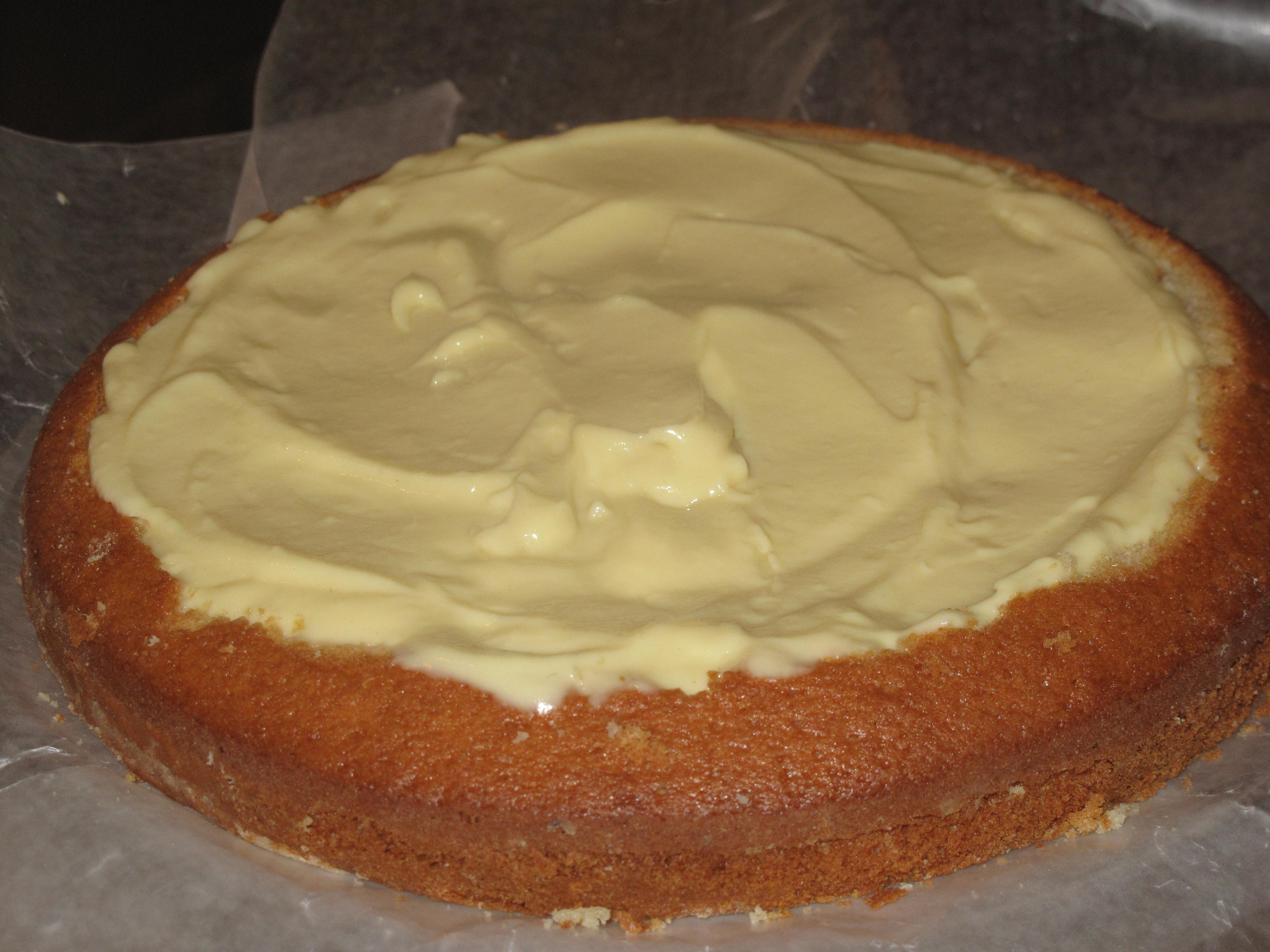
ASSEMBLY:  Slice off the domed top of one cake to level.  Hollow out 1/2-inch depth with fingers, leaving a 1/2-inch border from the edge.  Place cake on a plate or cake stand.  Fill with the pastry cream.  It’s okay for cream to spill a bit over edges.

Top with the second cake, dome side up.  Swirl the chocolate topping over the cake.  Chill until ready to serve.

Don’t let my cake warning scare you on this.  It is a great dessert….I mean who makes a Boston Cream Pie anymore?  Surprise them all with this little creation.  Again, I am going to do this cake again after I find another yellow cake recipe.  It’s worth a repeat.  Let us know how you liked it.  What great dessert recipes do you have that you modified after your first try?

Clams And Sausage In Parsley Sauce With An Anna Pump Shout Out

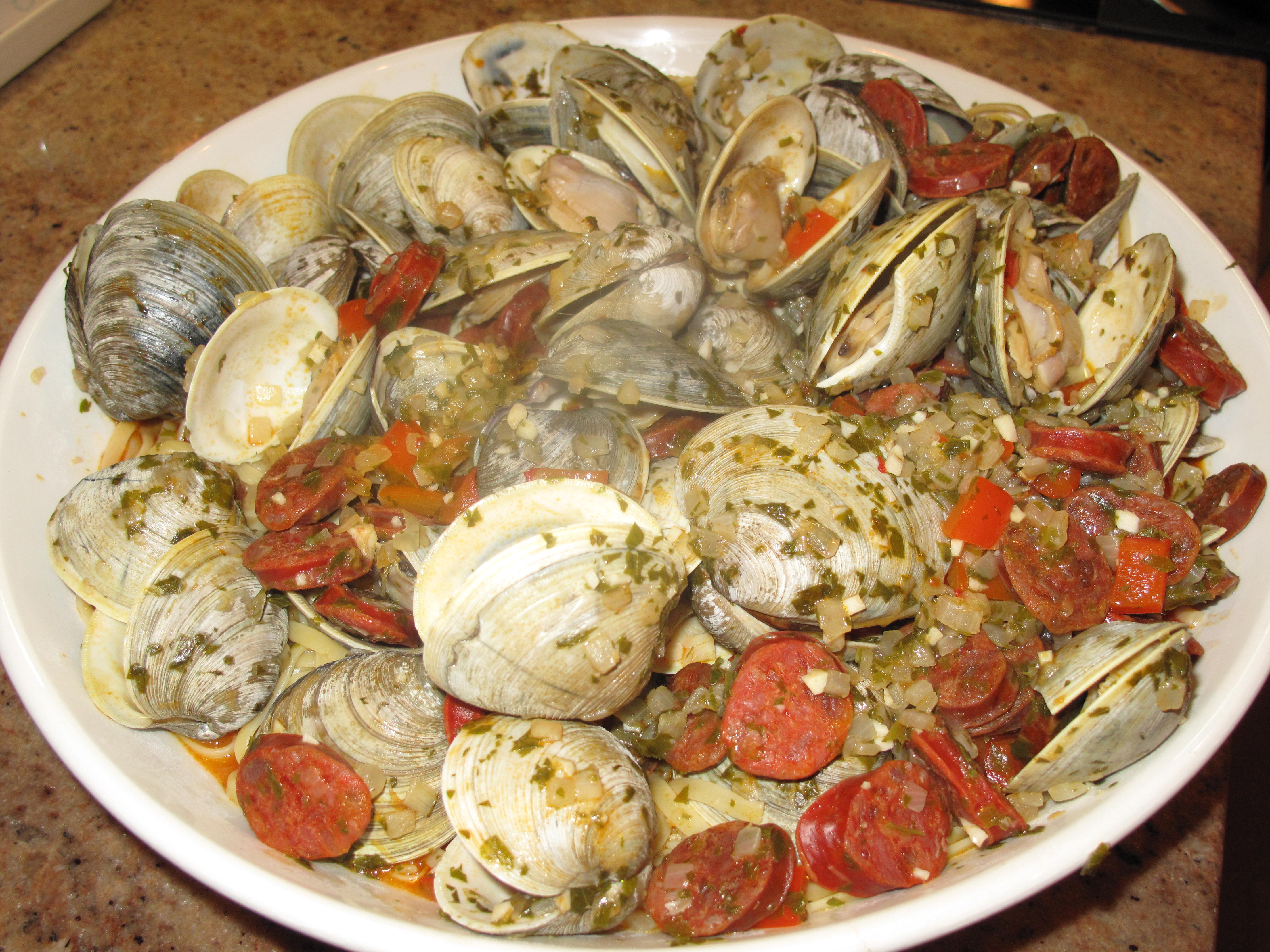
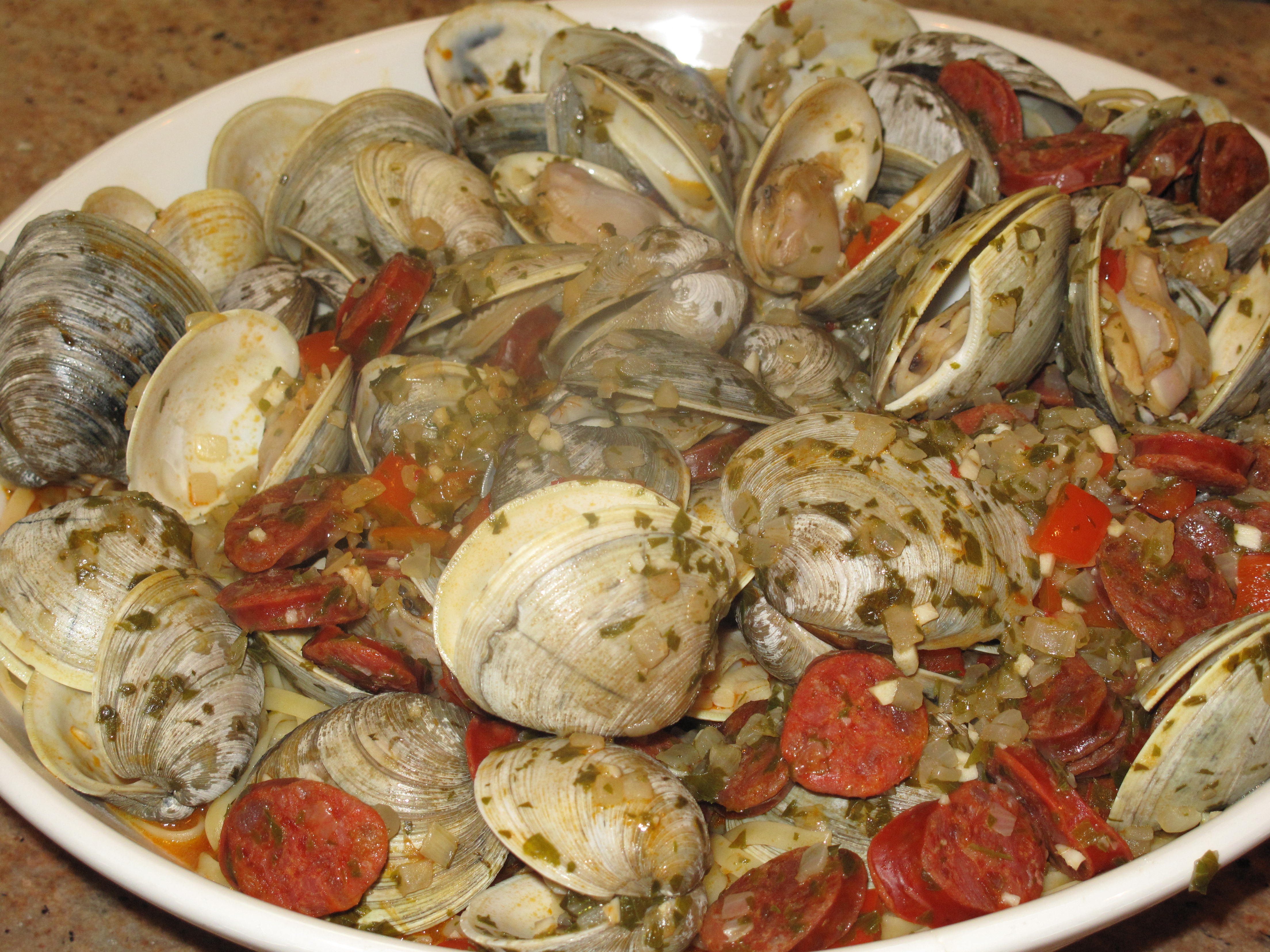
This is a dish from one of my favorite chefs and one of my favorite cookbooks of all time.  It is clams and sausage in parsley sauce over linguine by Anna Pump.  I’ve written about Anna Pump before.  Anna has never had a television show that I know of and I don’t think her cookbooks have made her millions of dollars, but her and her store in the Hamptons, ‘Loaves and Fishes’, have inspired so many people to make great food using simple and fresh ingredients.  She has inspired people like Ina Garten and Martha Stewart, who both have taken her philosophies to the masses.  In 1985, she wrote ‘The Loaves and Fishes Cookbook’ and I have loved using it since the day I bought it.  There are a lot of cookbooks out there, but Anna Pump’s cookbook is one where you can feel how much she loves food and cooking.  A lot of cookbooks are printed to make the author lots of money.  Anna’s is not that type of cookbook.  You can read it and tell that she has a deep and true love for the art of food.  She is the rare type where the mission is the food and whatever comes after that is secondary.  If she published or not, if she became famous or not, it doesn’t matter.  The craft comes first and this craft is the art of making great food.  The only other chef I can think of with this same philosophy is Julia Child.

I love the idea of mixing clams with sausage.  This recipe is somewhere between a paella and a pasta dish with seafood.  The sauce starts out very pale and reddens up after the addition of the chorizo sausage.  The sausage also adds a little heat to the recipe which is another thing I like.  Don’t get me wrong…this is not over-the-top hot, but just enough kick to make it interesting.  The parsley is also a nice addition.  I always use Italian flat-leaf parsley because I think it is less bitter than the curly variety.  The recipe below is modified from the original.  I use less clams, onions, red pepper and parsley than the original.  I just think the original will make too much food.  For example, the original says to use 6 dozen littleneck clams…that seems like a lot to me.  Try making this recipe….it’s like a delicious beach clambake in your own dining room.

Ingredients:

  • 3 dozen littleneck clams
  • 1/4 cup olive oil
  • 2 cups peeled and finely chopped onion
  • 4 large garlic cloves, peeled and minced
  • 1 red pepper, seeded and diced
  • 1/4 cup flour
  • 1 1/4 cups clam juice (can be found in a bottle in the supermarket)
  • 1 cup dry white wine (I used a Chardonnay)
  • 1 1/2 cups minced Italian flat-leaf parsley
  • 1/2 teaspoon hot red pepper flakes
  • 3 cups sliced chorizo sausages
  • 2 pounds linguine

Directions:

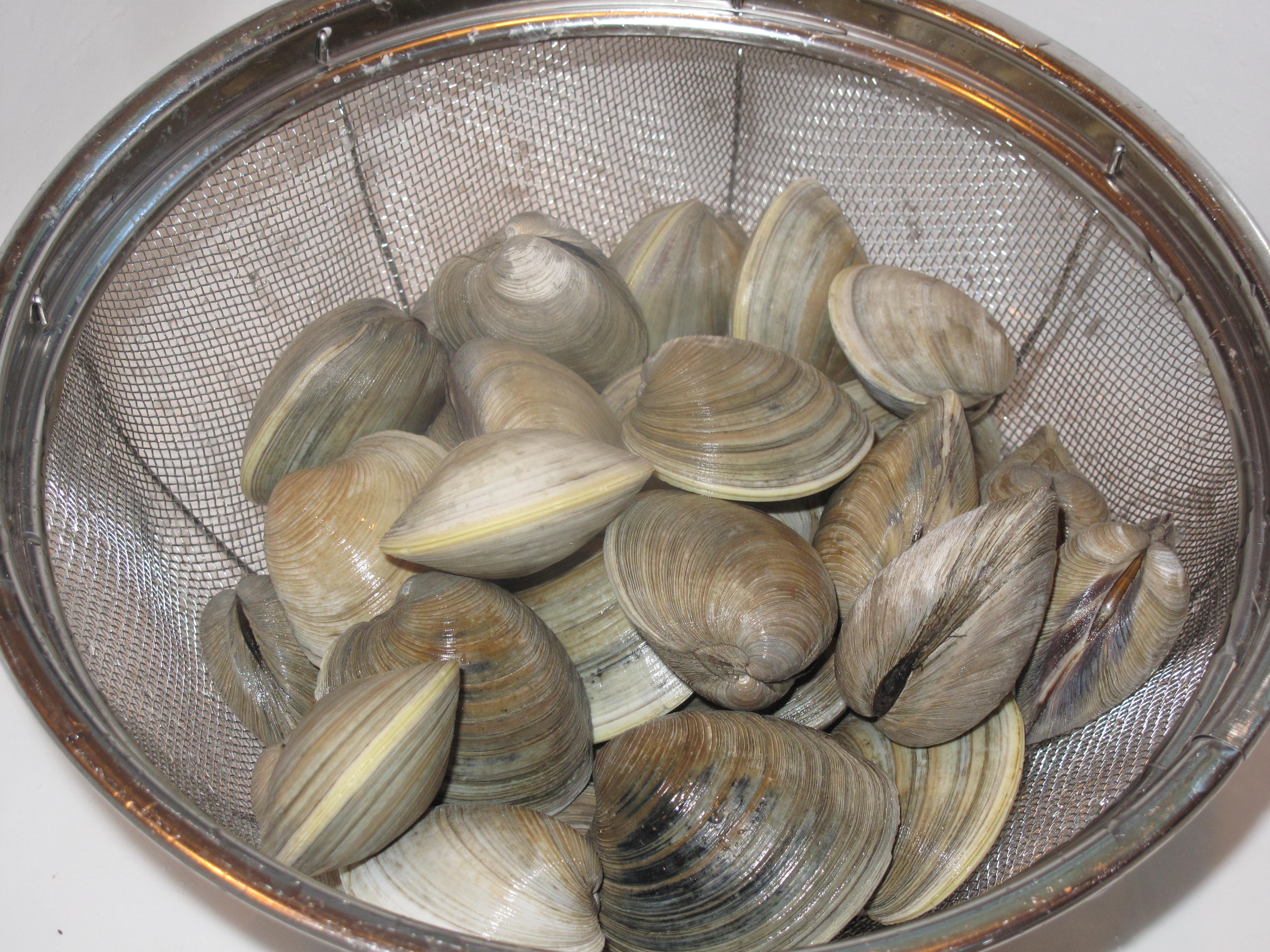
Scrub the clams and set aside.

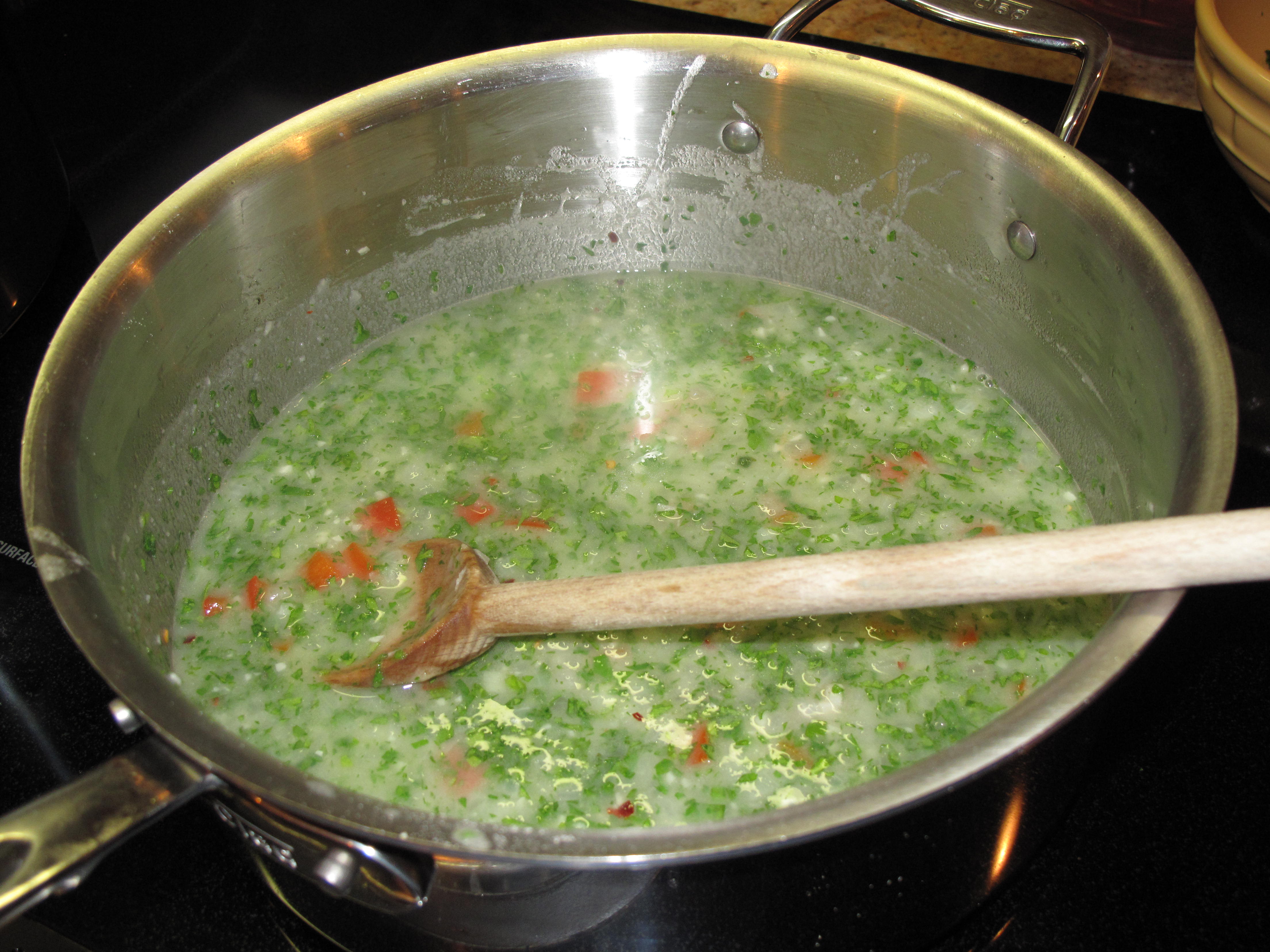
Heat the oil in a large saute pan.  Saute the onion, garlic and red peppers for 5 minutes over low heat.  Sprinkle the flour over the vegetables.  Stir to mix well.  Add the clam juice, wine, parsley and hot red pepper flakes.  Stirring constantly, bring the mixture to a boil.  Simmer for 5 minutes.

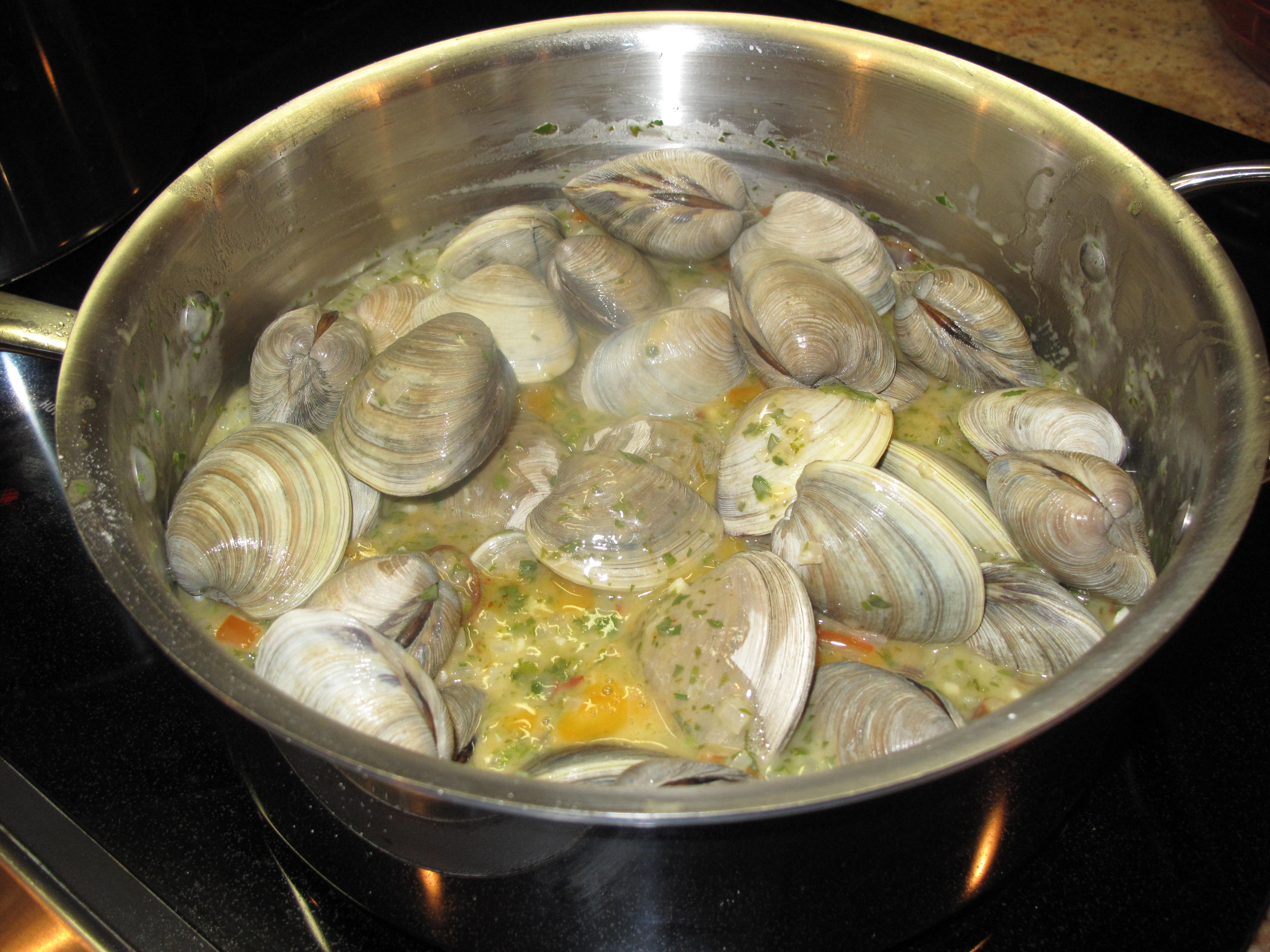
Add the sausage and the clams.  Cover and bring to a boil.  Simmer just until the clams open.  This will take no more than 5 to 10 minutes.

Place cooked linguine in a large pasta bowl and empty clams and sauce over the top.  Serve immediately.

This meal is easy because it doesn’t require a lot of side dishes to round it out.  We ate it with just a green salad on the side.  How easy is that?  This dish has so much flavor.  I was so happy how it turned out, but then again, Anna Pump’s recipes never seem to disappoint me.  Give this dish a try, and if you like it, go find some more Anna Pump recipes.  She is a really talented chef and worthy of the recognition.  What favorite chefs do you go back to time and time again that you would like to tell us about on Acorns On Glen?

Roasted Eggplant Caponata

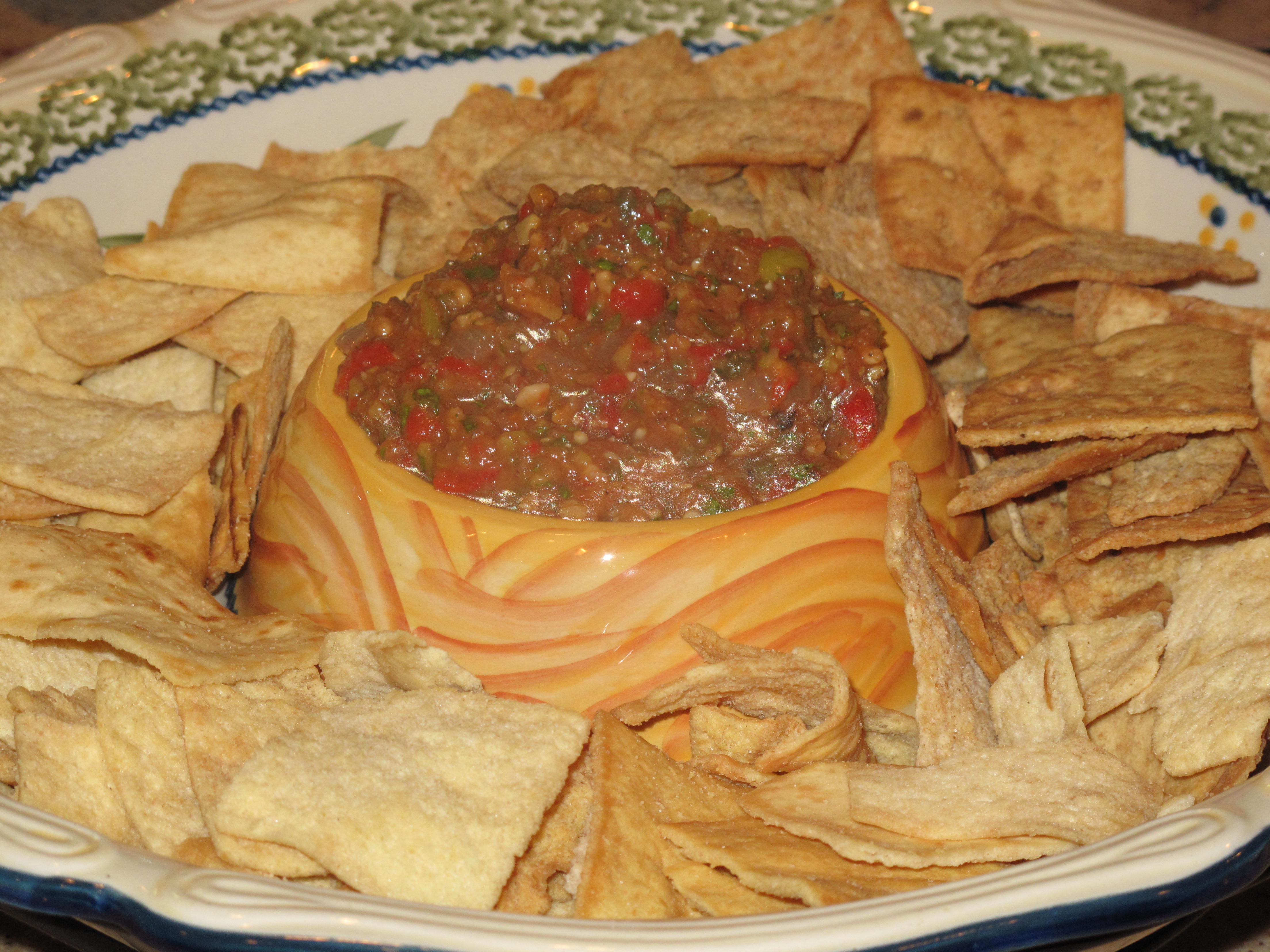
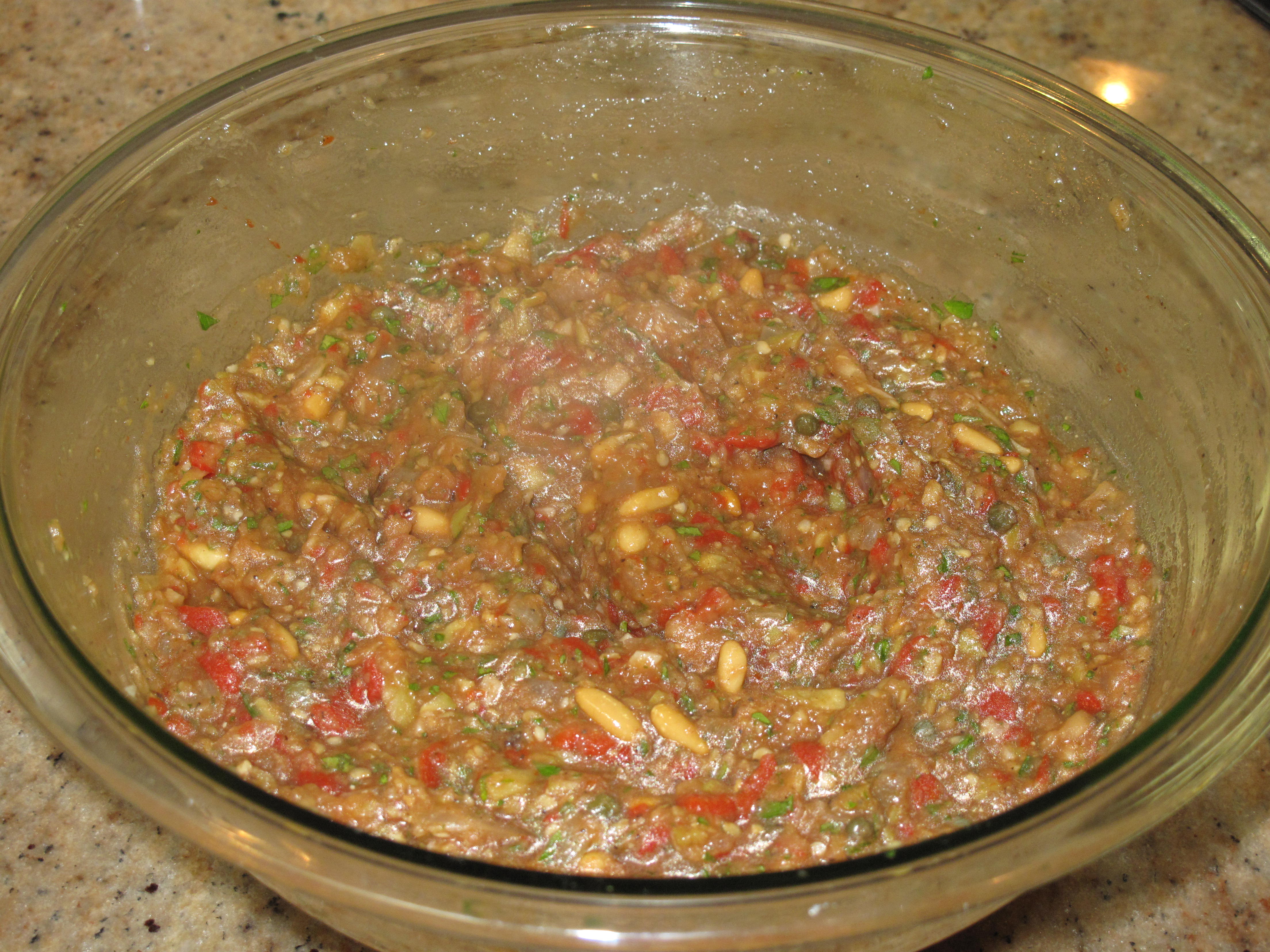
This is a roasted eggplant caponata that we used as an appetizer last night when we had friends over for dinner.  It is an old Italian favorite our Brooklyn Italian Grandmother told me.  Although she had never made it, she told me that it was her sister-in-law’s specialty, so the pressure was on when I announced that I was going to make it.  There were a couple of questions about the recipe (“What, no celery?” and “She never used pine nuts.”), but the end result from Notorious B.I.G. was a huge thumbs up.  To me, that meant this eggplant recipe was a keeper.  It is one of those make ahead recipes because the longer you hold off on serving it, the more time the flavors have to mix and meld together.  You can absolutely make this a day ahead and keep it in the refrigerator until time to serve.  I served it along with some plain and multi-grain pita chips, but use your imagination.  Since it is a dip, we could have used regular chips, bagel chips, vegetables to accompany it.  It’s really up to what you are in the mood for when you serve it.  Try this recipe…the flavors are incredible together and by the empty container that was there at the end of the night, it was a hit.  As well, remember that it comes with the Notorious B.I.G.’s seal of approval.  Here’s how you make it.

Ingredients:

  • 1 large eggplant (1 1/2 pounds)
  • Olive oil
  • 4 ounces jarred roasted red peppers, chopped
  • 1/2 cup large green olives, pitted and chopped
  • 1 cup chopped yellow onion
  • 1/8 teaspoon crushed red pepper flakes
  • 4 large cloves minced garlic
  • 3 tablespoons minced parsley
  • 2 tablespoons pine nuts, toasted
  • 2 tablespoons freshly squeezed lemon juice
  • 2 tablespoons drained capers
  • 2 tablespoons tomato paste
  • 1 tablespoon red wine vinegar
  • 2 teaspoons kosher salt
  • 1 1/2 teaspoons freshly ground black pepper

Directions:

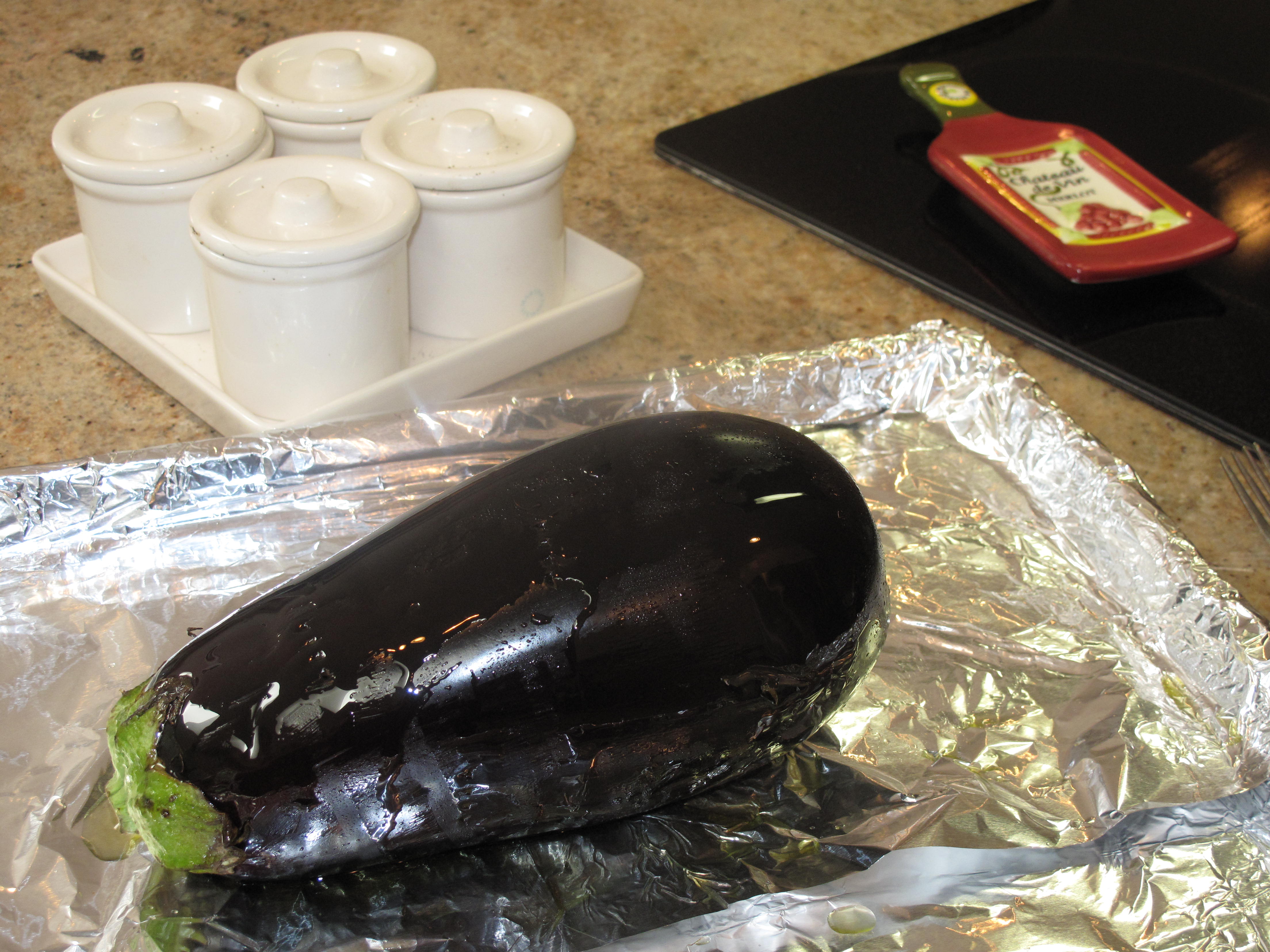
Preheat the oven to 400 degrees.  Line a sheet pan with aluminum foil.  Place the whole eggplant on the pan, prick with a fork in several places (you don’t want an exploding eggplant in your oven) and rub with olive oil.

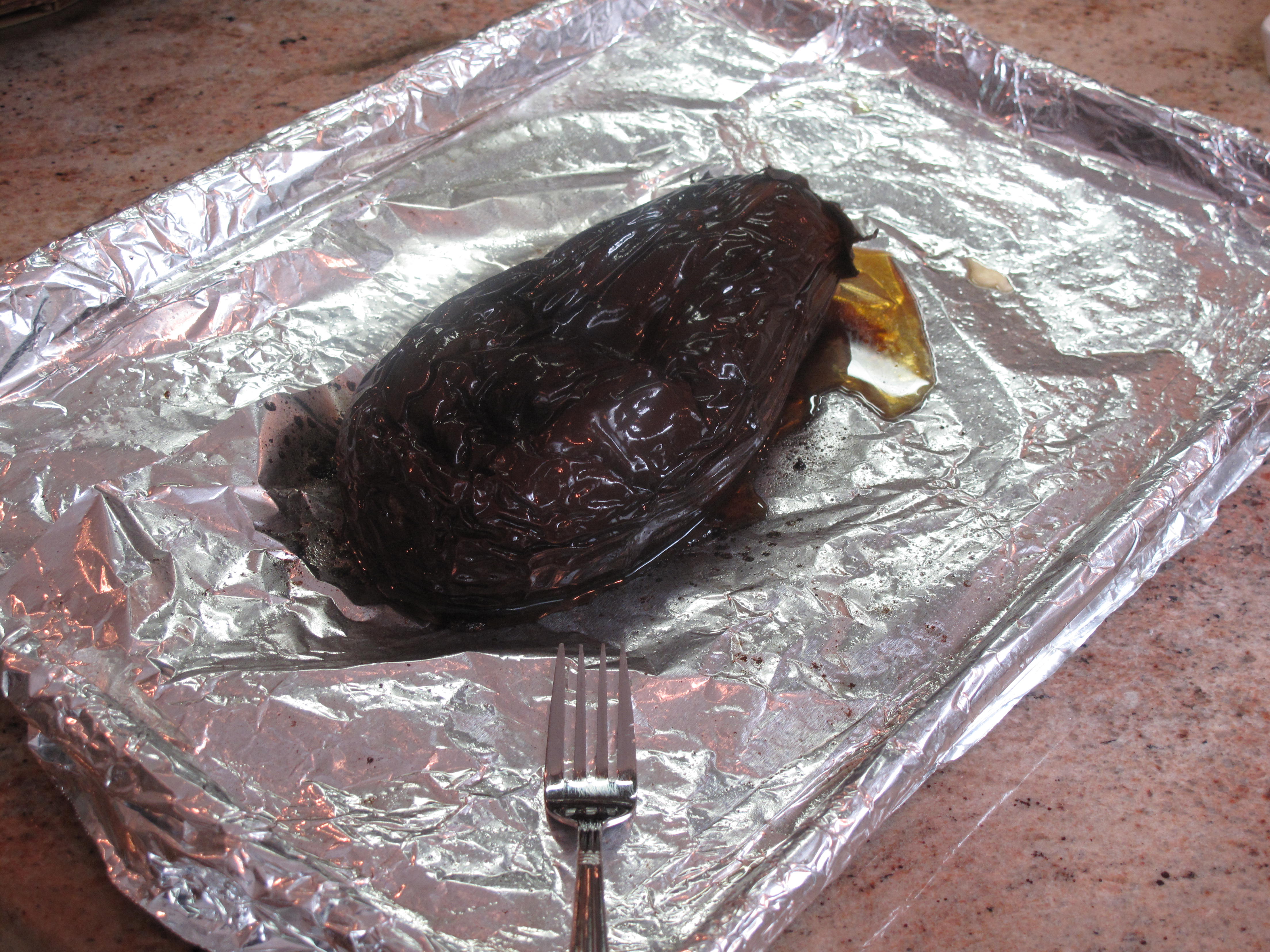
Roast for 50 minutes, until the eggplant is very soft when pierced with a knife.  Set aside to cool.

Halve the eggplant, peel, and discard the skin.  Place the eggplant, peppers and olives in the bowl of a food processor fitted with the steel blade and pulse until coarsely chopped.

Pour into a mixing bowl.

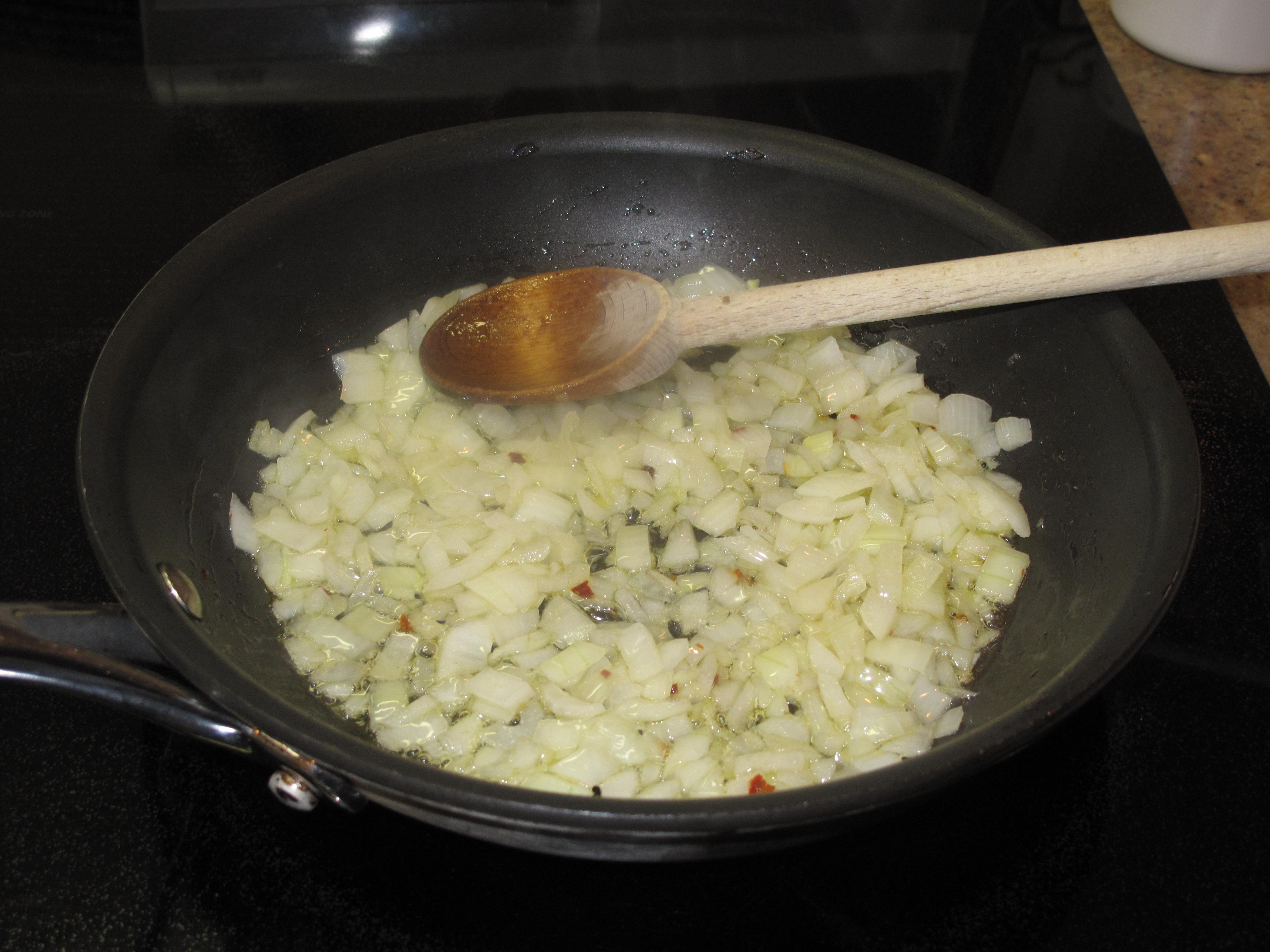
Meanwhile, heat 1 tablespoon of olive oil in a medium saute pan.  Add the onion and red pepper flakes and cook over medium heat for 5 minutes, until the onion is lightly browned.  Add the garlic, cook for 1 minute, and add to the eggplant mixture.

Add the parsley, pine nuts, lemon juice, capers, tomato paste, vinegar, salt and pepper and mix.  Cover with plastic wrap and refrigerate for a few hours to allow the flavors to develop.  Taste for seasonings and serve at room temperature.

It’s great having friends over for dinner and even better when you can serve them something new and delicious.  Our roasted eggplant caponata did just that.  It was the perfect start to a fun evening.  Well, the eggplant and a few glasses of wine were the start to a fun evening.  You get my drift.  Give it a try.  What do you like to serve as an appetizer at your dinner parties?

Comfort Food With A Twist – Meatloaf

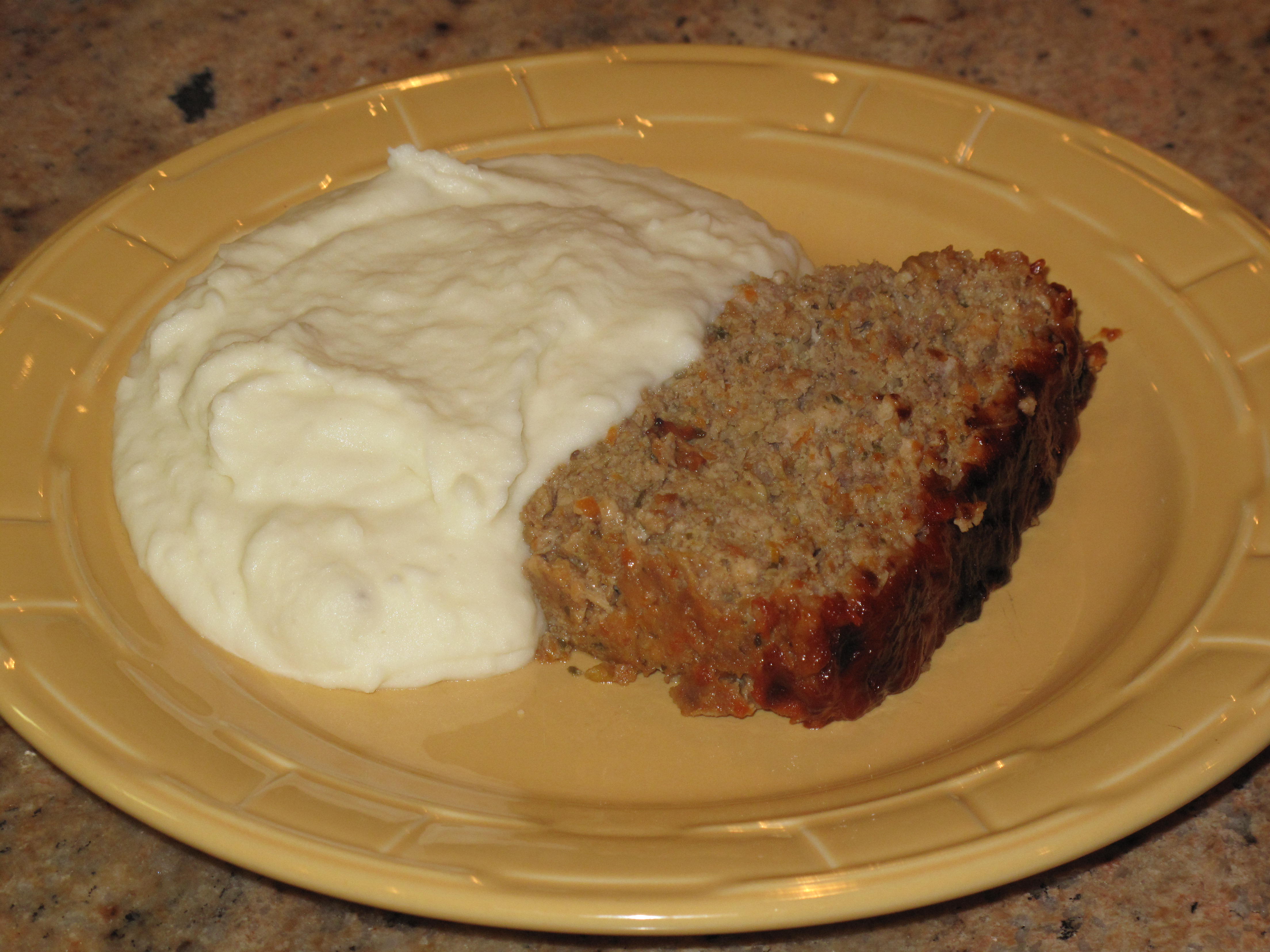
This is some real comfort food if there ever was some.  It’s good old fashioned meatloaf with some creamy mashed potatoes.  But it’s not your ordinary diner-style meatloaf.  It’s not dense and dry and covered in brown gravy.  No, this meatloaf recipe is a twist on that old recipe and produces a light and juicy meatloaf topped with a sweet and sour glaze made from ketchup and brown sugar.  It also is pretty quick to prepare because all of your vegetables just need to be chopped in large chunks and then ground in the food processor.  You don’t need to stand for hours dicing celery, carrots and onions.  It also incorporates three kinds of ground meat to make the meatloaf light and full of flavor.  I also use Pepperidge Farms as my white bread of choice when I make this recipe.  Why only Pepperidge Farms?  When I was younger and used to go to the grocery store with my parents or my Grandma, I used to beg to buy a loaf of Pepperidge Farms bread.  I figured since it was so much more expensive than the other loaves than it had to be like a slice of heaven when you ate it.  I would explain to them the facts of how it was made with care by jolly looking bakers who kneaded the dough with their own hands with tender loving care.  I would tell them about the ovens where the bread was baked and how it was wrapped in paper and then placed in the plastic bag for extra freshness.  Not only that, but they wrapped it while it was still warm from the oven.  This is why too much television is bad for a small child to take part in every day!  My parents or my Grandma would stare at me in disbelief that here was this small child reciting facts he had learned from a bread commercial.  It must have been this scary little feeling inside of them that always made them tell me no.  My parents and Grandmother were tough because I remember begging (and many times probably crying and screaming) to buy a loaf of this special bread.  Why don’t they see what I see in this delicious loaf that is so much better than the other white breads out here on this rack?  Now that I have my own money, I always buy Pepperidge Farms white bread to use at home.  I’ve come to realize that it doesn’t necessarily taste any better, but it’s just the whole principle of the matter, if you get my drift.  Bread aside, if you are looking for a comfort food classic with a twist, give our meatloaf a try.  Your family will love it.
Ingredients:

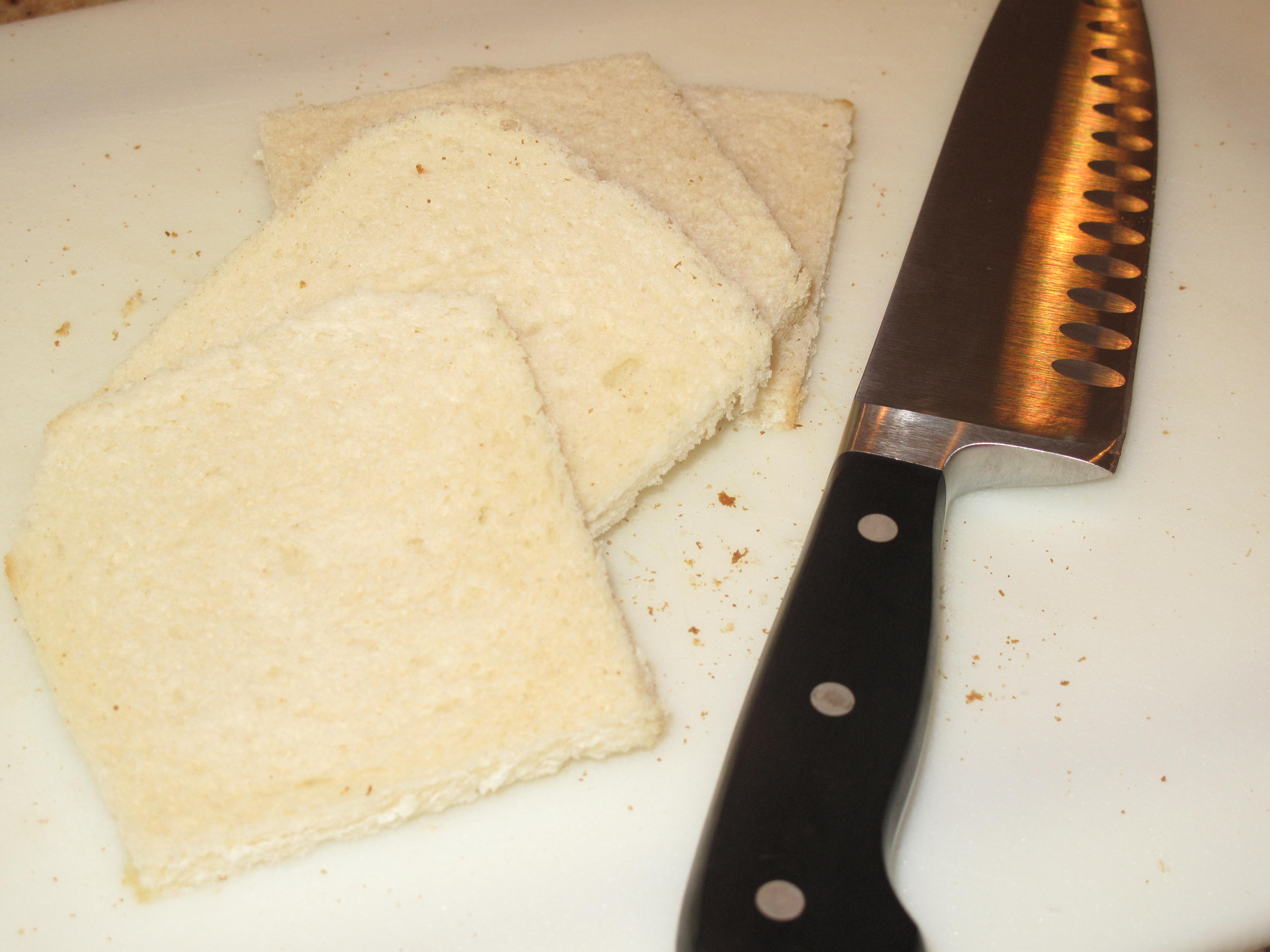
  • 4 slices Pepperidge Farms white bread, crusts removed and torn into large pieces (I just know it is the best!!)
  • 3 garlic cloves, chopped
  • 1 medium onion, chopped into eighths
  • 1 celery stalk, chopped into quarters
  • 1 medium carrot, chopped into quarters
  • 1/2 cup flat-leaf parsley
  • 12 ounces ground beef chuck
  • 12 ounces ground pork
  • 12 ounces ground veal
  • 1 large egg
  • 3/4 cup ketchup
  • 1 tablespoon Dijon mustard
  • 1 tablespoon Worcestershire sauce
  • Coarse salt and freshly ground pepper
  • 2 tablespoons light-brown sugar

Directions:

Preheat oven to 375 degrees.  Pulse bread in a food processor until finely ground (you should have about 2 1/2 cups breadcrumbs).  Transfer to a medium bowl.

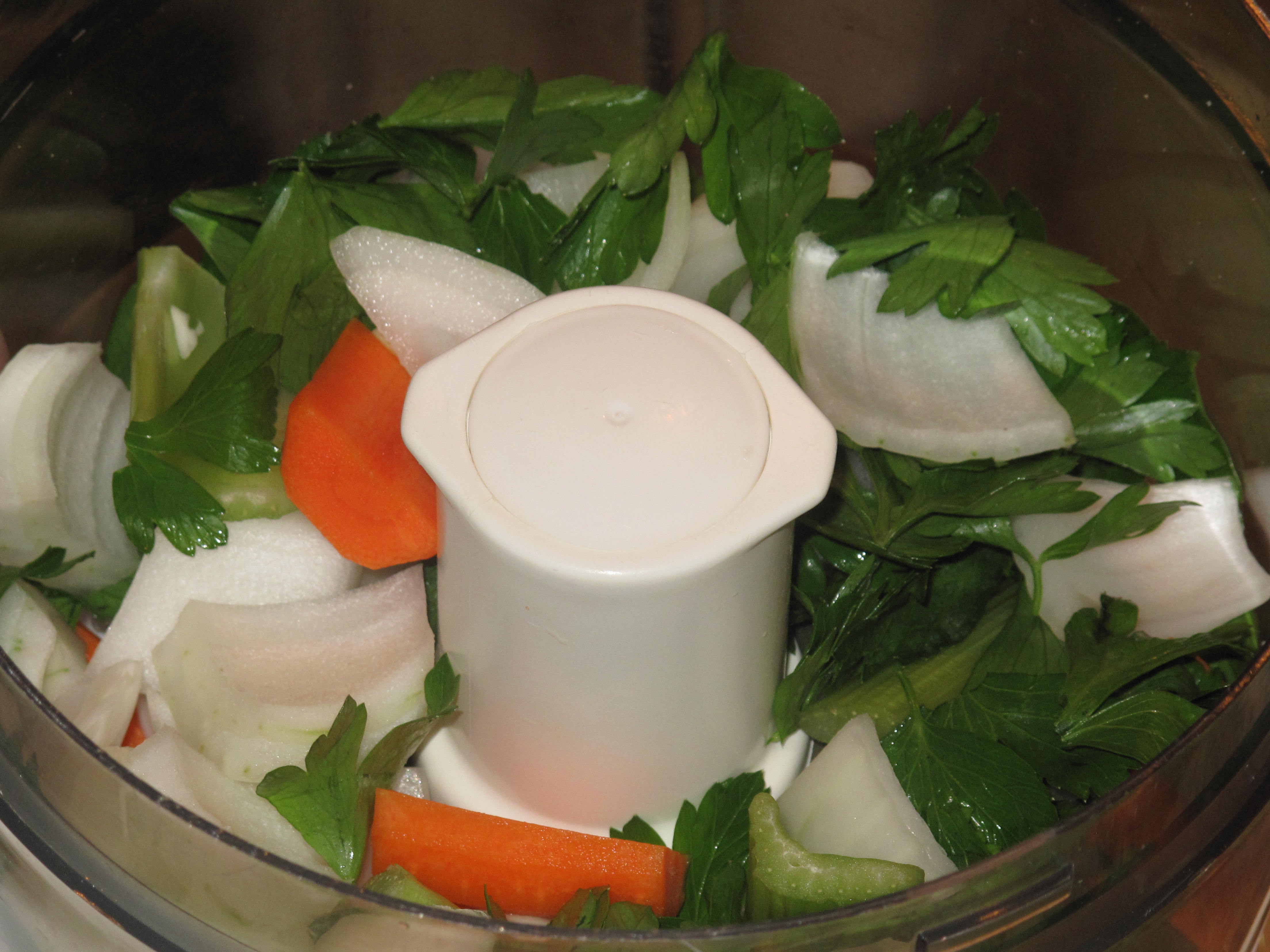
Pulse the large chunks of garlic, onion, celery, carrot, and parsley in food processor until finely chopped.  Remember to let the food processor do all the hard chopping work.  This is a huge time saver.

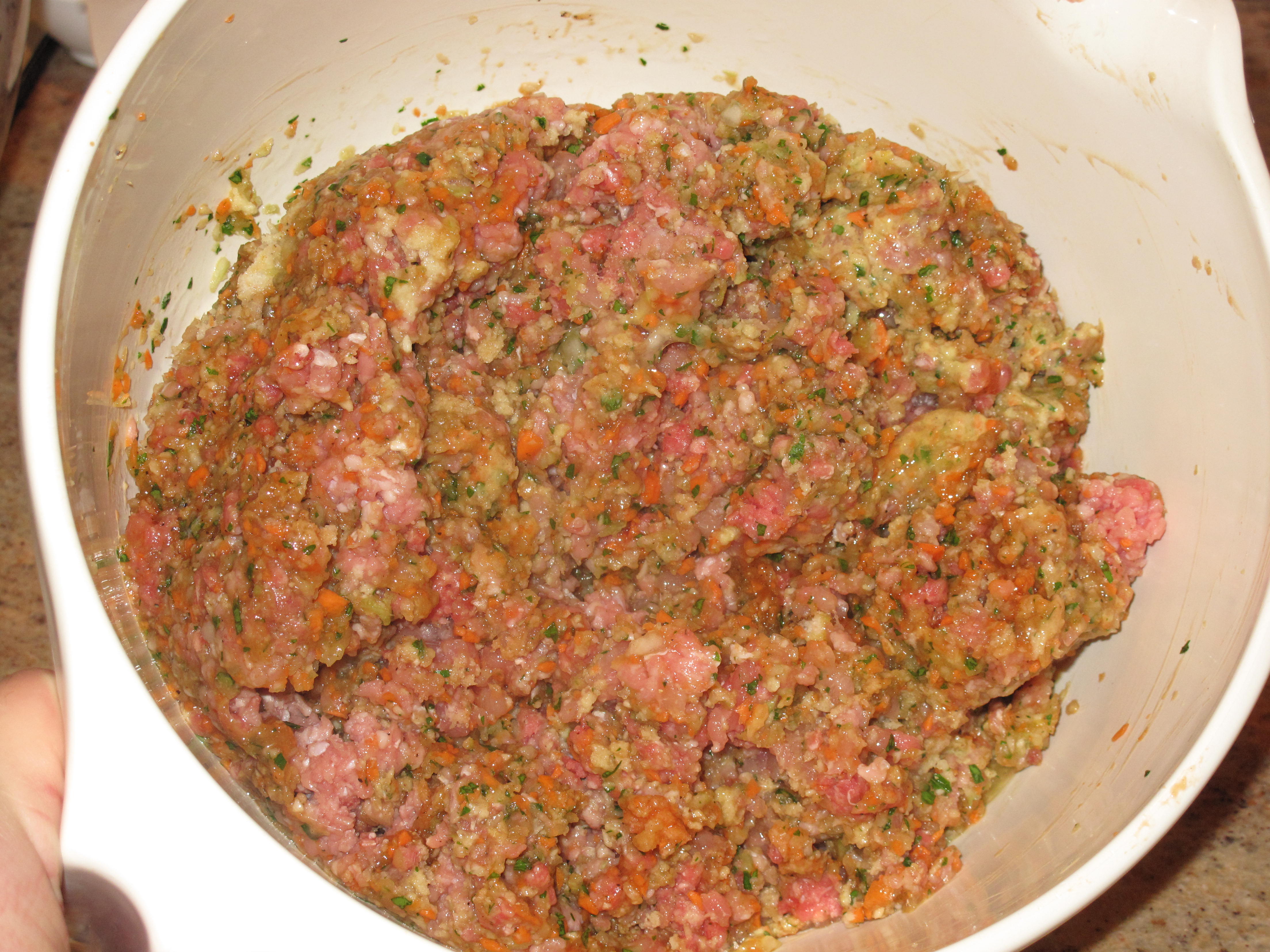
Add to breadcrumbs.  Add meats, egg, 1/4 cup ketchup, the mustard, Worcestershire sauce, 1 tablespoon salt and 1/2 teaspoon pepper; mix together using your hands.

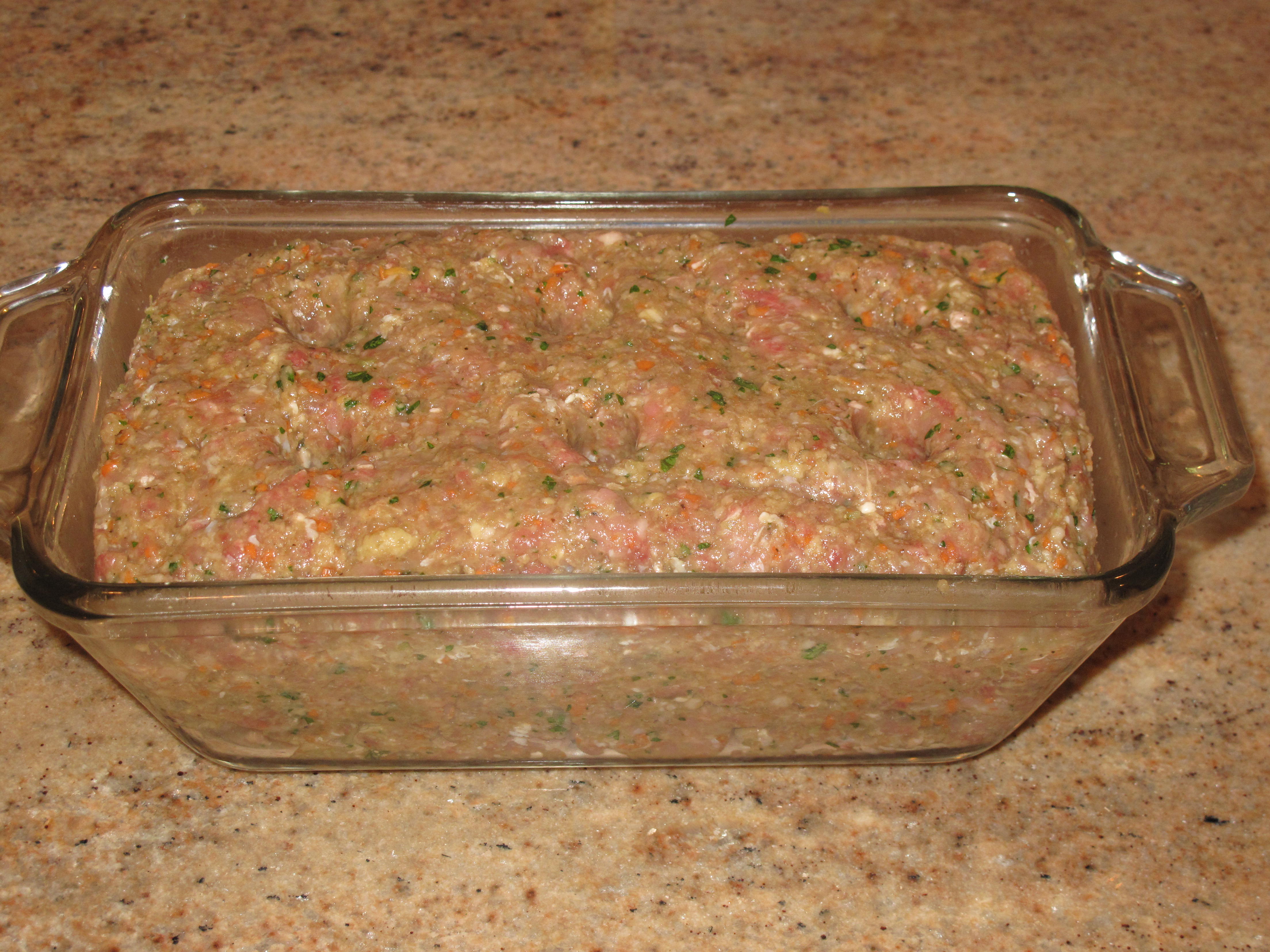
Transfer mixture to a 5-by-9-inch loaf pan.

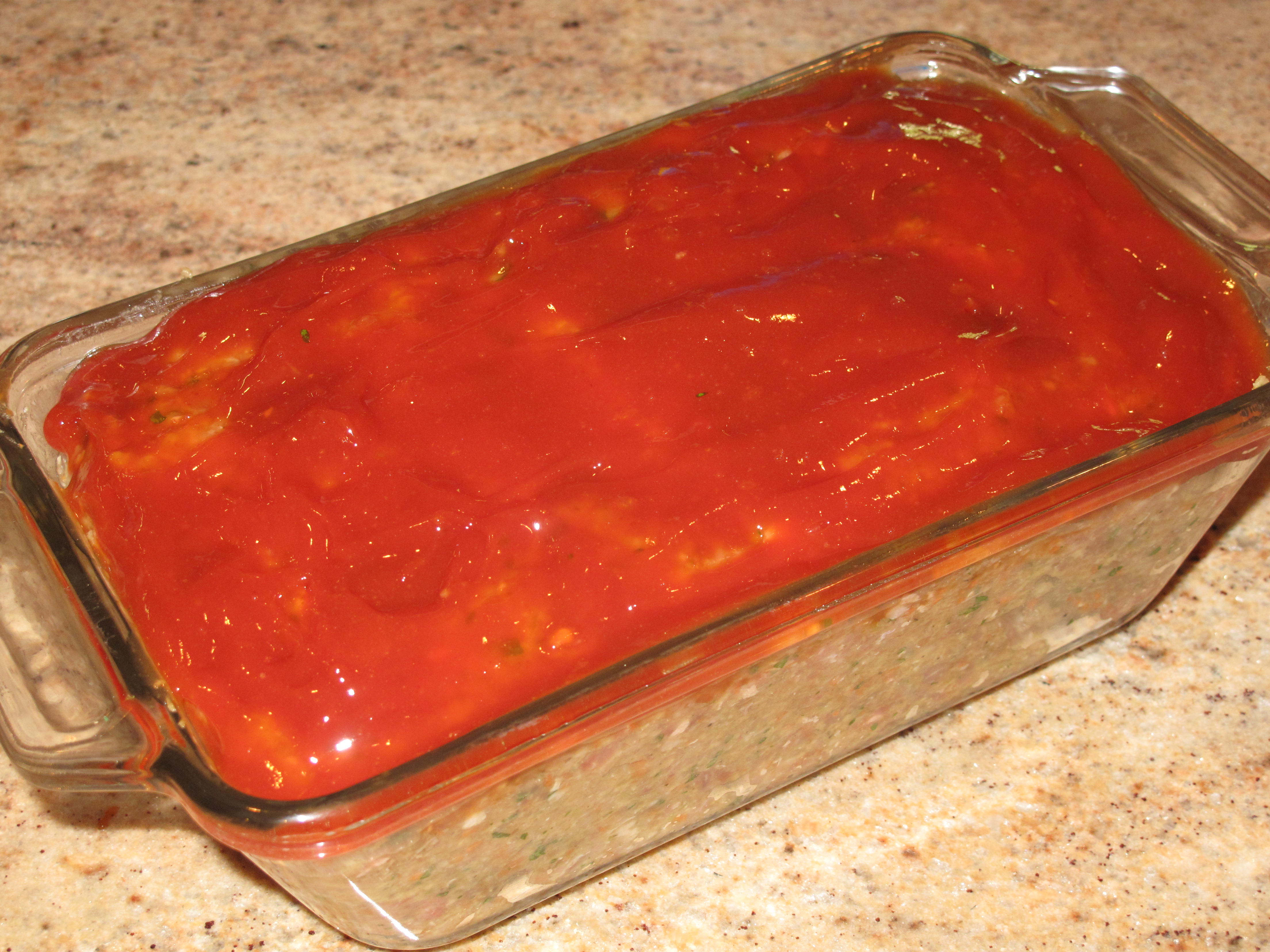
Stir together remaining  1/2 cup ketchup and the brown sugar until smooth; brush onto meat.  I also poke six deep holes into the top of the meat with my finger before I brush on the ketchup mixture.  This enables the ketchup to penetrate farther down into the meatloaf and increase the flavor.

Set pan on a rimmed baking sheet and bake until an instant-read thermometer inserted into the center reaches 160 degrees, about 1 hour 20 minutes.  Let cool slightly before serving.

Always a family pleaser, this little meatloaf with a twist is great as your dinner’s main course and then equally as good the next day in a sandwich or two.  It is also easy to pair up with almost any side dish.  A potato dish, a vegetable dish…..it all works with meatloaf.  Hope you like this new twist on an old fashion main dish staple.  What old classics do you cook up with some modern twists to them?