Changing A Thanksgiving Cactus Into A Christmas Cactus – A Chilling Tale

This is my ten-year old Christmas cactus.  I really should say Thanksgiving cactus because for most of its years with me it has bloomed on Thanksgiving and never on Christmas.  This is my own fault and one I am trying to rectify this year.  It’s all in the chilling.  More on that in a second.

My Christmas cactus is from the genus Schlumbergera.  Schlumbergera  is a genus of cactus from the coastal mountains of south-eastern Brazil.  Plants grow on trees or rocks in habitats which are generally shady with high humidity.  Most species of Schlumbergera have stems which resemble leaf-like pads joined one to the other and flowers which appear from areoles at the joints and tips of the stems.  This genus contains the popular house plants known by a variety of names including Christmas Cactus, Thanksgiving Cactus, Crab Cactus and Holiday Cactus.

Over the last several years, I have put my Christmas Cactus in a shady area in my back yard usually in the beginning of June time frame.  Frequent watering and feeding is about all I do to the plant.  In ten years, I have re-potted it into a bigger planter only once.  For me, I like the Christmas Cactus because it needs little care for the most part.  Here is the plant at its regular summer home in my back yard.
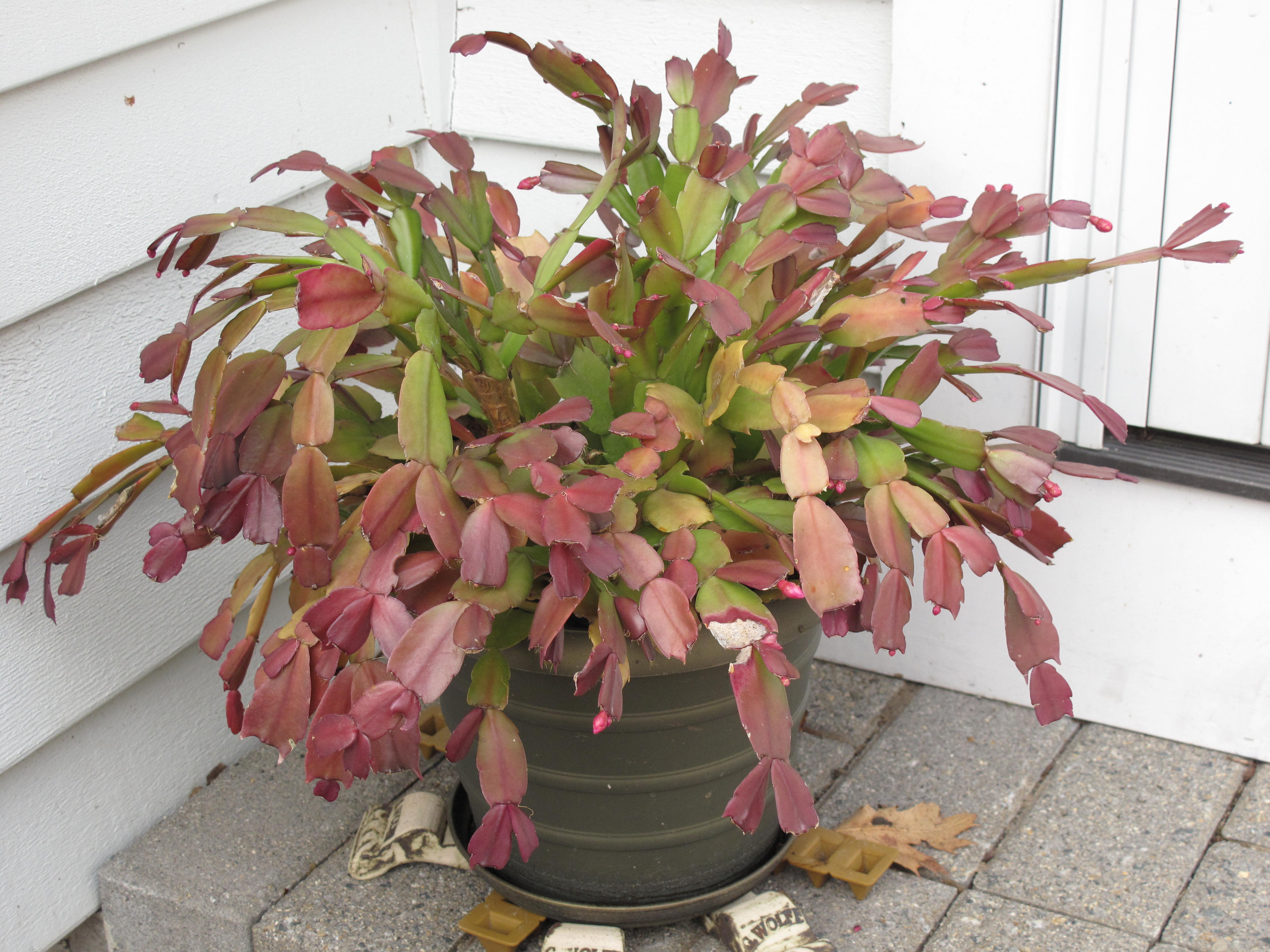
In the first weeks of November, when the weather gets much cooler and frost is possible, I have brought the Christmas Cactus indoors and placed it on my kitchen table.  This transition from cool to warmer temperatures has always triggered the plant to begin to grow flowers that then bloom around the Thanksgiving holiday.  I always think, why if this plant blooms at Thanksgiving do we call it a Christmas Cactus?  That’s when I made a chilling decision.

The decision was to keep my Christmas Cactus outside until the beginning of December–one month later than usual.  I’m thinking that the plant’s transition from cool to warmer temperatures is the blooming trigger, so if I delay that transition for one month then I can truly have a “Christmas” Cactus.  So that’s what I did and my plant came indoors on Saturday.  As a precaution, I did cover the plant up on extremely cold nights or nights when a heavy frost was predicted.  Here is my plant when under the covers.

While the plant looks healthy and nothing appears to have perished due to the extra month of cold weather conditions, I think that the next few days of the plant being in the house will determine its fate.  It will either make it and begin to bloom in the next few weeks or it could also shrivel up and leave us because of the additional cold it has endured over the last month.  Keep your fingers crossed with me–let’s hope it transitions without a hitch.

I’ll post pictures when the Christmas Cactus blooms (or an RIP notification if things don’t work out).  There is nothing as pretty as a bloomed Christmas Cactus with its fuchsia pink flowers bursting from all sides of the plant.  If it blooms, I can then officially and proudly call my Cactus a Christmas Cactus and all will be right in the world.  Do you have a Christmas Cactus in your home?

An Old Fashioned Barn Party

This is the entrance to our friends’ barn in Bucks County, Pennsylvania.  Every October for the last several years, we have met at this barn to take part in an old fashioned barn party.  The barn on my friends’ property is very old and is constructed of stone and wood.  The top has a floor made of wooden beams with several stalls on top that most likely once housed larger animals like cows, horses or pigs.  Underneath is another level that most likely housed equipment and smaller animals like chickens, ducks and geese.  Over the years, my friends have restored their barn to its original appearance and the party is held to help raise money for old barn restoration in the area, to sell high-end craft items to the guests and general public who attend and offer up a great way to see old friends and family one more time before the holidays.  We also ate lots of food and drank lots of drinks (from coffee to wine to champagne).

This year the barn party also tried to teach guests a few tricks of the trade from local artisans.  There were booths and workshops where guests could see the looming of thread, hear live music played by a local musical group, learn to knit, learn to tie a fly for fly fishing or learn to make some wine among other things.  Of course there was an apple pie baking contest followed by a cookie baking contest with prizes for the top three finishers.  Come enjoy a few of the pictures that we took during the day.

This slideshow requires JavaScript.

By the end of the day, most of us had a bag full of craft goodies, a full stomach and an introduction to a new skill.  I am now a novice knitter learning in the class with some yarn and chopsticks for knitting needles.  It was also great to catch up with everyone, especially those that we don’t see on a regular basis.  It was a big day and a lot of work, but everyone had a great time.  Here’s to next year’s party!!  What Fall festivities go on in your neck of the woods?

“Fall”ing For Pumpkins And Gourds

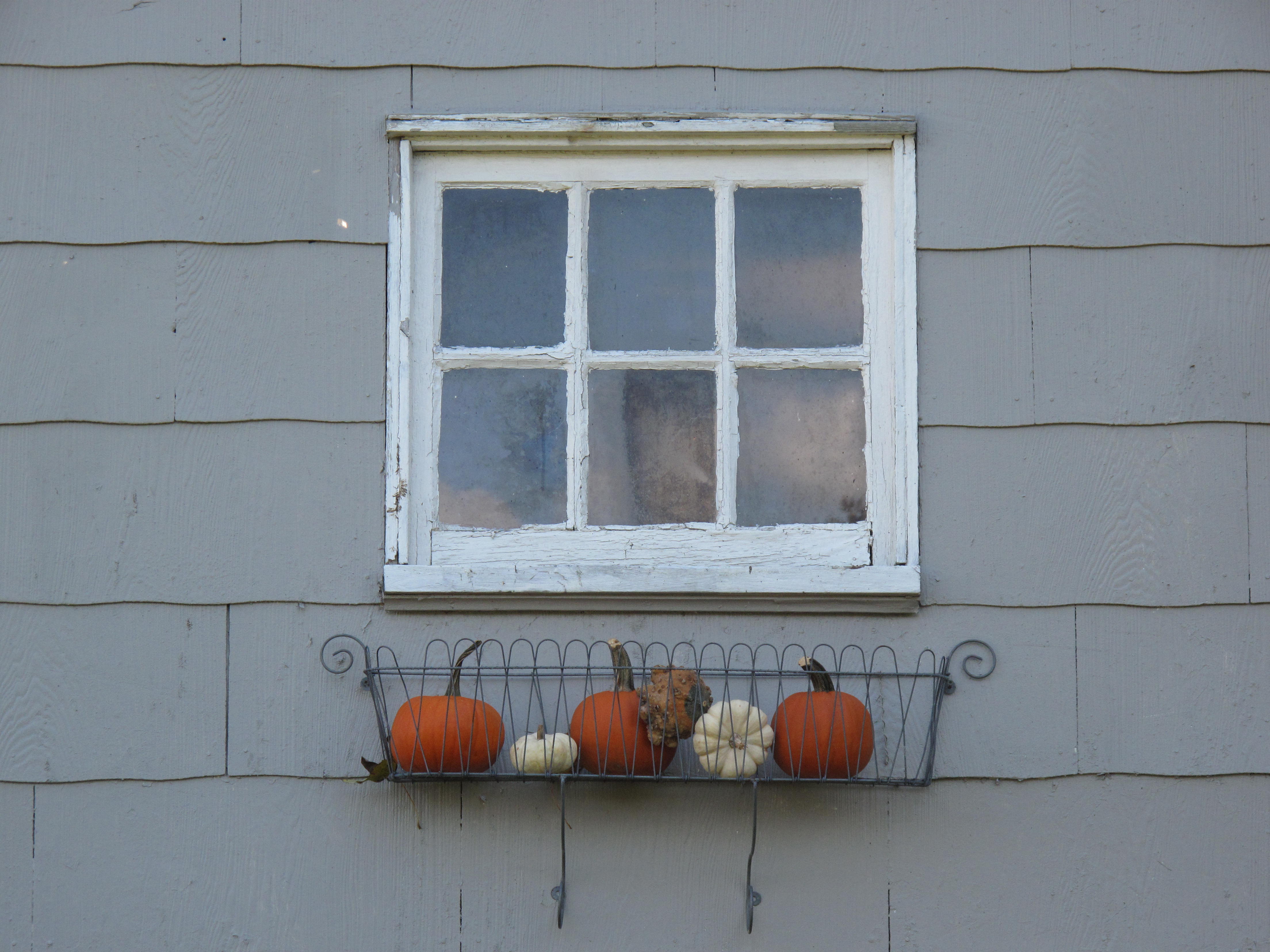
This is the easiest (and prettiest) way to know that Fall is here.  It’s the appearance of pumpkins and gourds almost everywhere you look.  From pumpkin patches, to pumpkin and gourd decorations on doorsteps of homes across the state and even in the aisles of our local supermarket, seeing pumpkins and gourds is one of my favorite Fall reminders.

I’m always amazed at the colors that pumpkins and gourds come in at the patches we go to find and buy them.  There are the traditional orange pumpkins and green gourds, but there are also ones in ivory, yellow and variegated to name a few.  The odder the color, the more I like it!  Are you seeing pumpkins and gourds everywhere you look in your community?

The Last Of Our Fall Bloomers

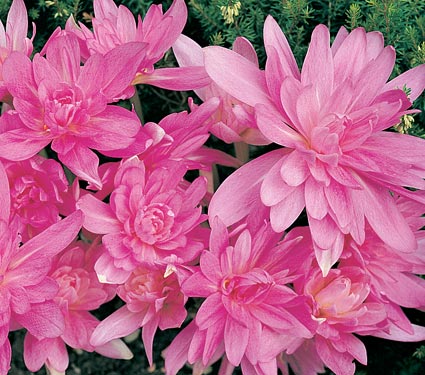
This is Colchicum ‘Water Lily’ and it is one of the last things to bloom for the season here on Glen Road.  It’s hard to imagine Fall without the appearance of our Colchicums.  Their bright blooms rise without warning and shine in the sharp light of Autumn.   We planted our bulbs at the base of our Japanese maple trees several years ago.  Colchicum ‘Water Lily’ produces several double, lilac-pink flowers.  Their silky texture is a great contrast to the ruddy complexion of Fall.

Sometimes called the Autumn Crocus, the Colchicum is a one-of-a-kind wonder in the flower kingdom.  They grow from corms, which are available in late summer, and the astonishing thing about them is that they will flower without being planted at all.  Just setting them on a sunny window sill is enough.  They can, however, be arranged in a shallow dish of gravel, pebbles, etc.  The best thing to do is plant them like we did outside in shallow soil in a sunny area where they will not be disturbed so that you can easily enjoy them on a yearly basis with minimal, if any, work involved.

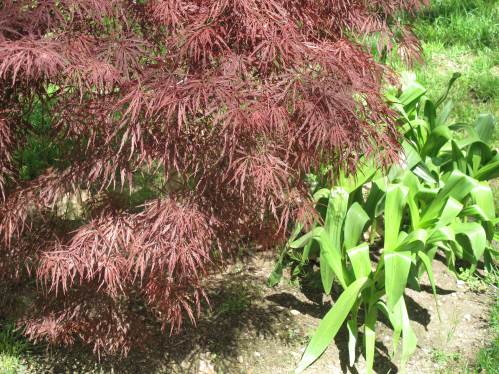
Colchicums come in various tones of pink and lavender and never fail to surprise with their delicate appearance amid the rougher weather of Fall.  It all starts in Spring, when a clump of broad, deer-proof leaves emerge, stay for a while and then vanish by midsummer.  Then in Fall, these dainty flowers emerge to show off their brilliant color.  Here is an older shot of their Spring appearance.  See their leaves on the right?

So we are officially near the end of the 2011 garden season with the blooming of our Colchicums.  It is a good feeling mixed with some sadness.  Like the plants, all gardeners need to re-energize during the Winter, but we will miss all of the pretty blooms that we have seen over the Spring and Summer.  What final blooms do you see in your garden that signal the end of the growing season?

The Busy Bee Bush Is Now Buzzing

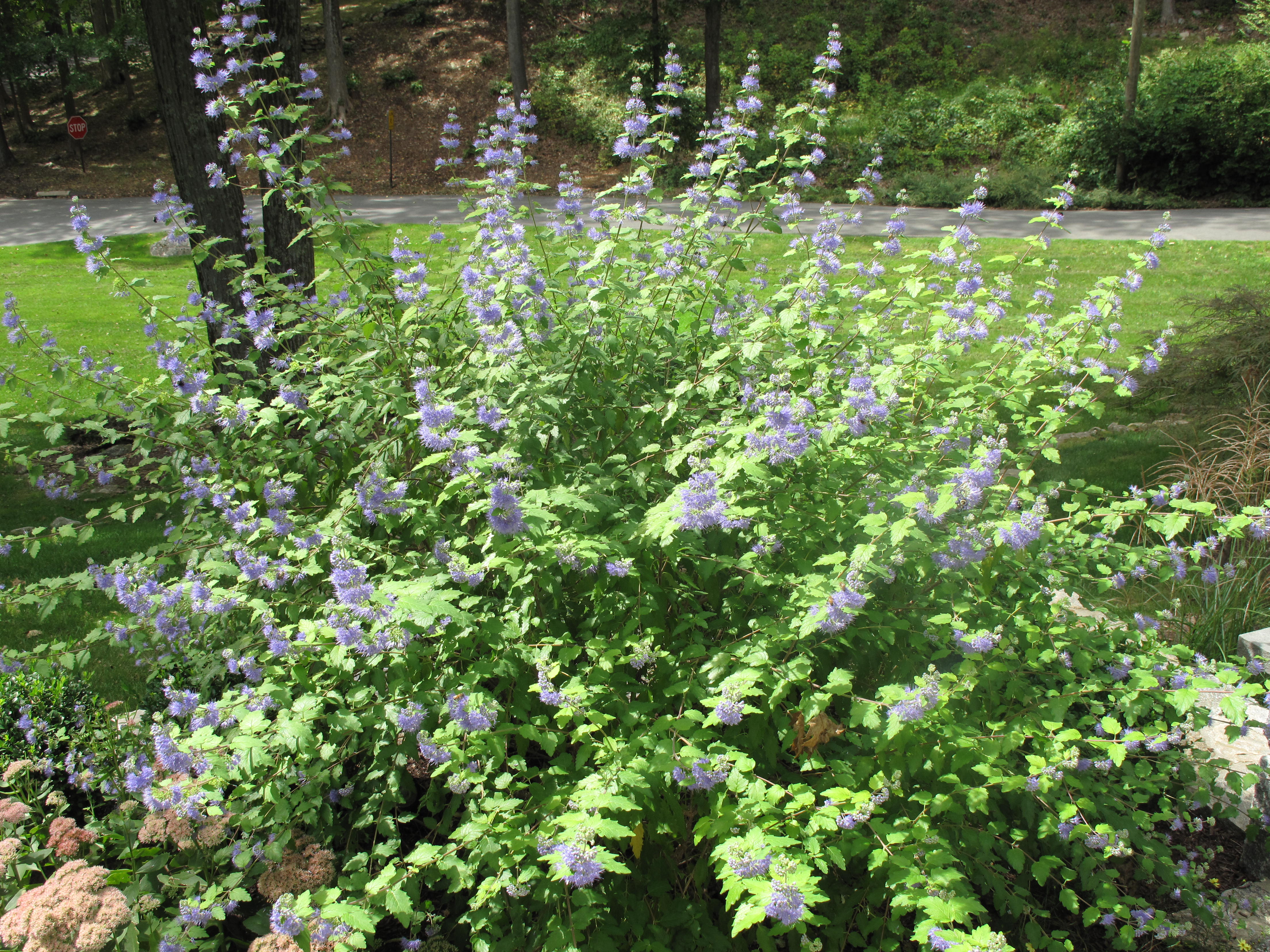
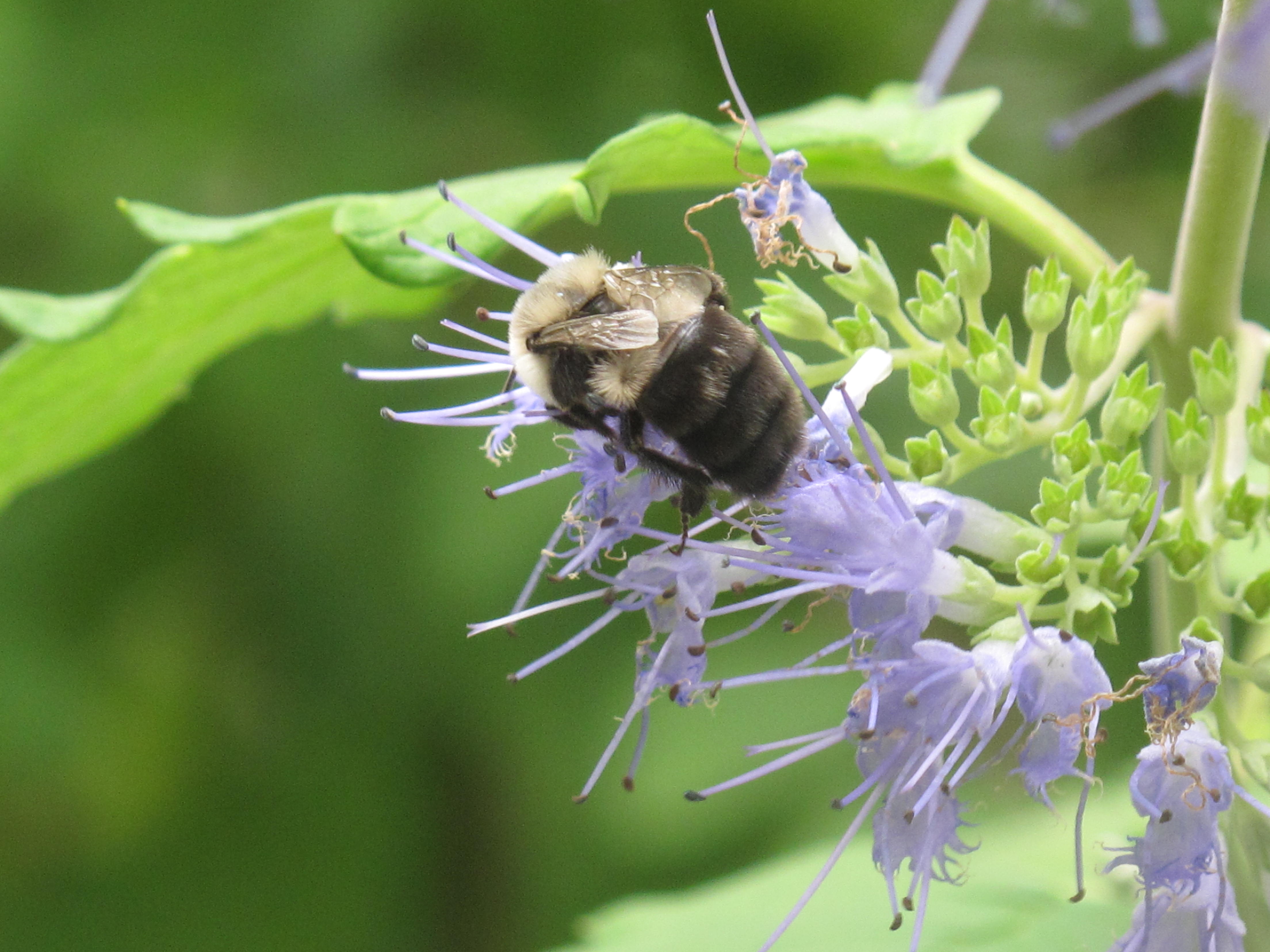
This is Spirea ‘Blue Mist’ that protects our front door from the front yard.  It is another one of the plants that bloom here on Glen Road in September.  When the blue flowers show their pretty faces, you will soon have every bee within a small radius of the house coming over to visit to collect some special end-of-the-season pollen and nectar.  The bees are so intent on collecting pollen and nectar that you can stand right next to the tree and they don’t care.  They don’t fly at you or swarm at you.  All the bees are intent on doing is collecting pollen and nectar and then going back to the hive to make preparations for the Winter.  Sometimes when there is no wind and you listen very closely, it almost sounds as if the Spirea is actually buzzing.

Our Spirea ‘Blue Mist’ is quite a grower.  By the time we hit September bloom time, the bush is over four feet high and about as many feet wide.  No matter how small I trim it down in the Winter and Spring, this Spirea always has a growth spurt in August as if to do so to show itself off to all the bees in the neighborhood.  At the start of the Spring, our Spirea ‘Blue Mist’ was pruned down to one foot tall and one foot wide.  That is some fast growing in a few short months to get to four feet and it does this in some of the hottest months of the year.

Caryopteris’s (the botanical name for Spirea ‘Blue Mist’) low mounding habit makes it perfect as a border plant for massing purposes and works wonders in dry, sunny spots.   There are blue foot-long flower spikes that cover this plant in September and this make for quite a visual display.  Spirea ‘Blue Mist’ is also many times referred to as a Bluebeard, which is not too difficult to understand where this name comes from due to the look of the blooms.

Did you ever hear of a bush that provides the house with lots of laughter?  Well, our Spirea does just that.  How?  Well, in terms of our friends, there are three groups:

  1. The first group that walks past the Spirea that is filled with bees and they don’t notice a thing.
  2. The second group are those people who notice the bees and take a look, but aren’t really scared
  3. The last group are those people who notice the bush filled with bees and become terrified and take off running to our front door screaming and yelling for us to open up as soon as possible!

Since no one has ever gotten stung by one of the Spirea bees, we always laugh at those terrified individuals that are part of group 3.  We know it is not right, but we can’t help it.  We apologize to those folks in advance.  So if you are interested in a late-blooming bush for your garden that can also add some comedy to your every day life, give Spirea ‘Blue Mist’ a shot.  Trust us, the neighborhood will be….buzzing.  What late season bloomers do you have in your garden?

A Picture Is Worth A Thousand Words – Twisted Sister

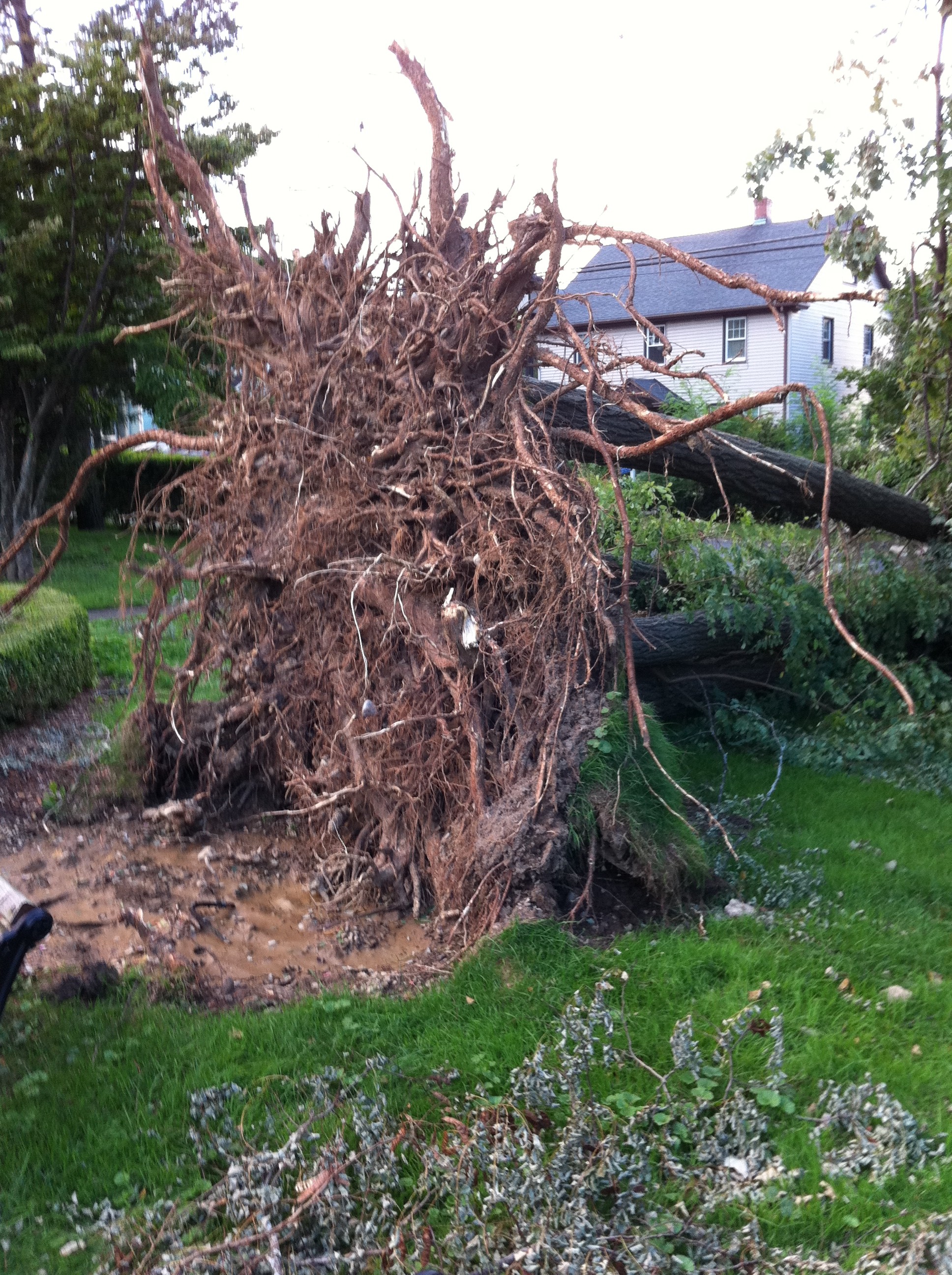
This is a tangled and twisted reminder that all of the clean up work from Hurricane Irene is not completed yet here in Connecticut.  This tree looks like it was pulled like a weed out of the garden….roots and all….and then tossed aside to wilt and die.  Maybe this is Medusa’s head with snakes growing from all sides?  Little by little, trees like this are getting cleared away in our community.  In time, the effects of the hurricane will be just a distant memory.  What does this mass of tree roots look like to you?

How I Know Autumn Is Here

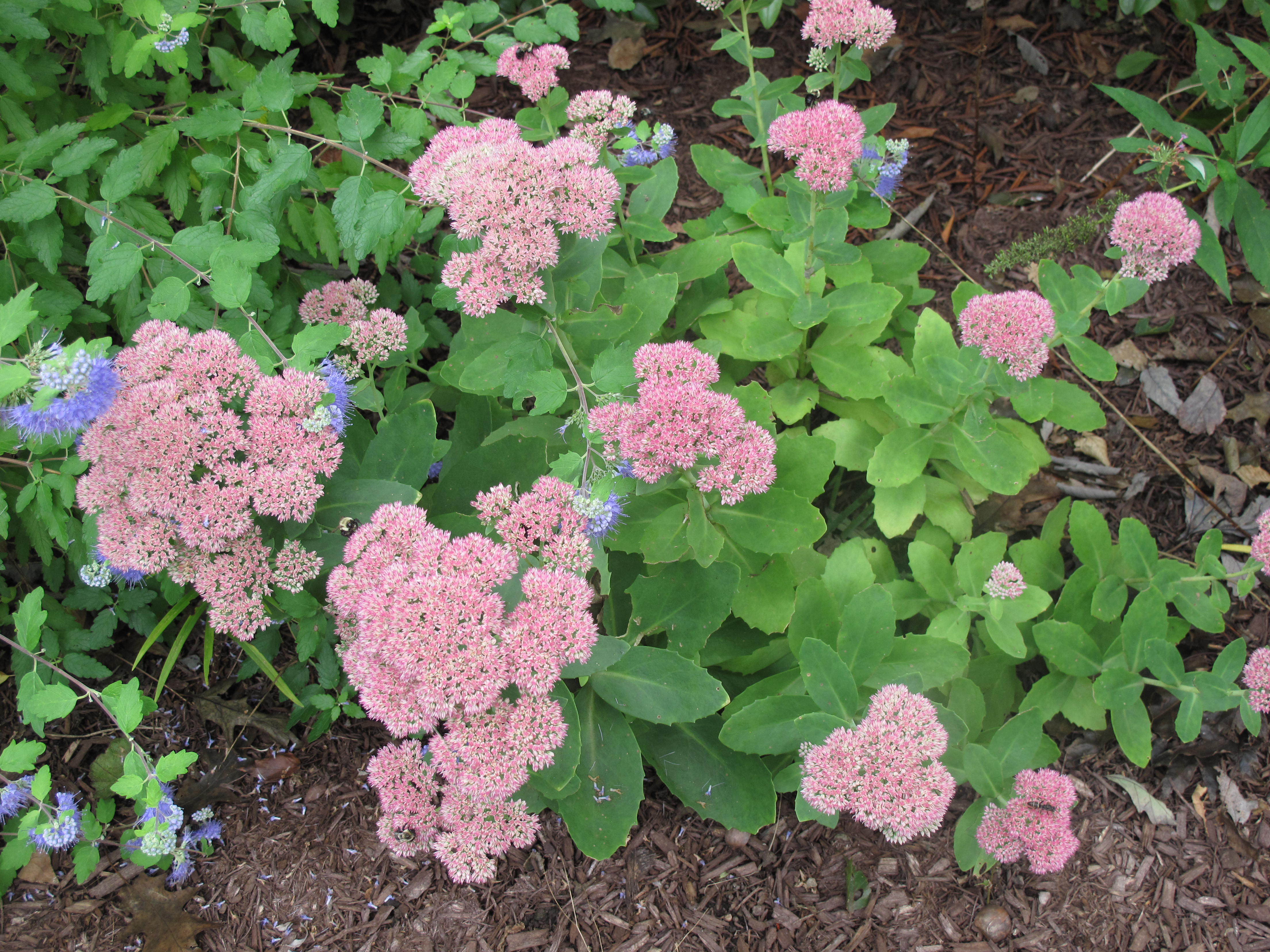
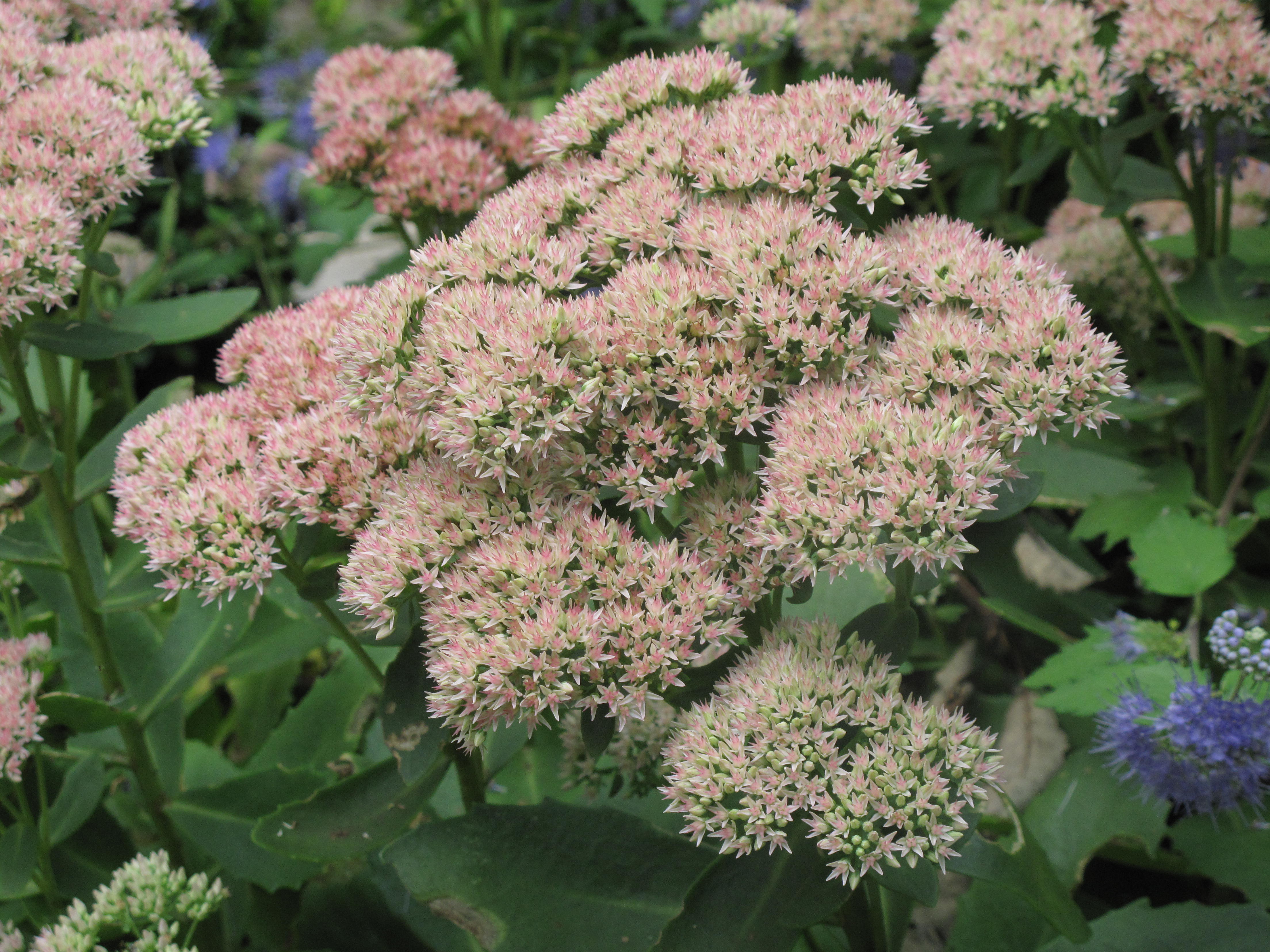
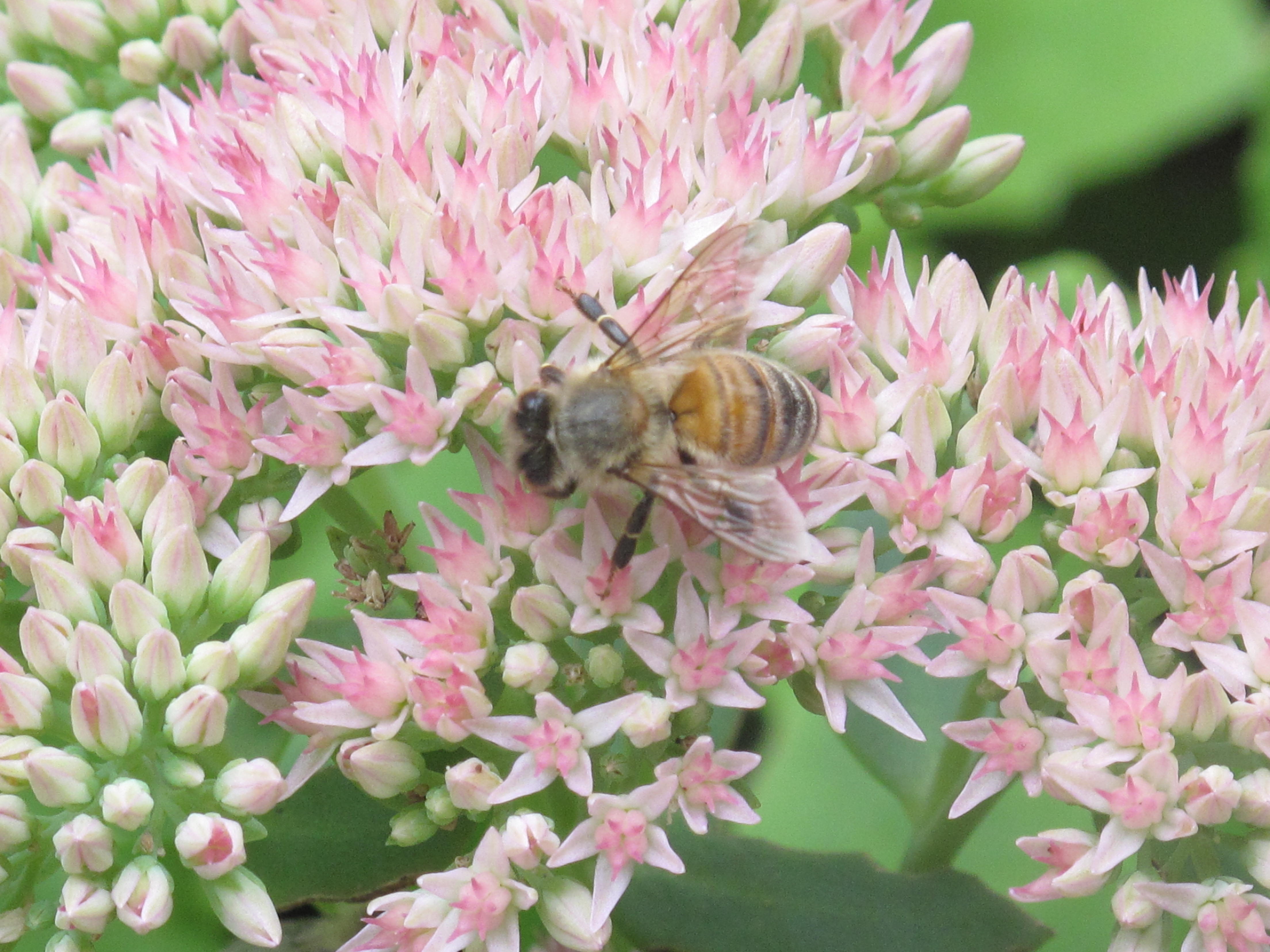
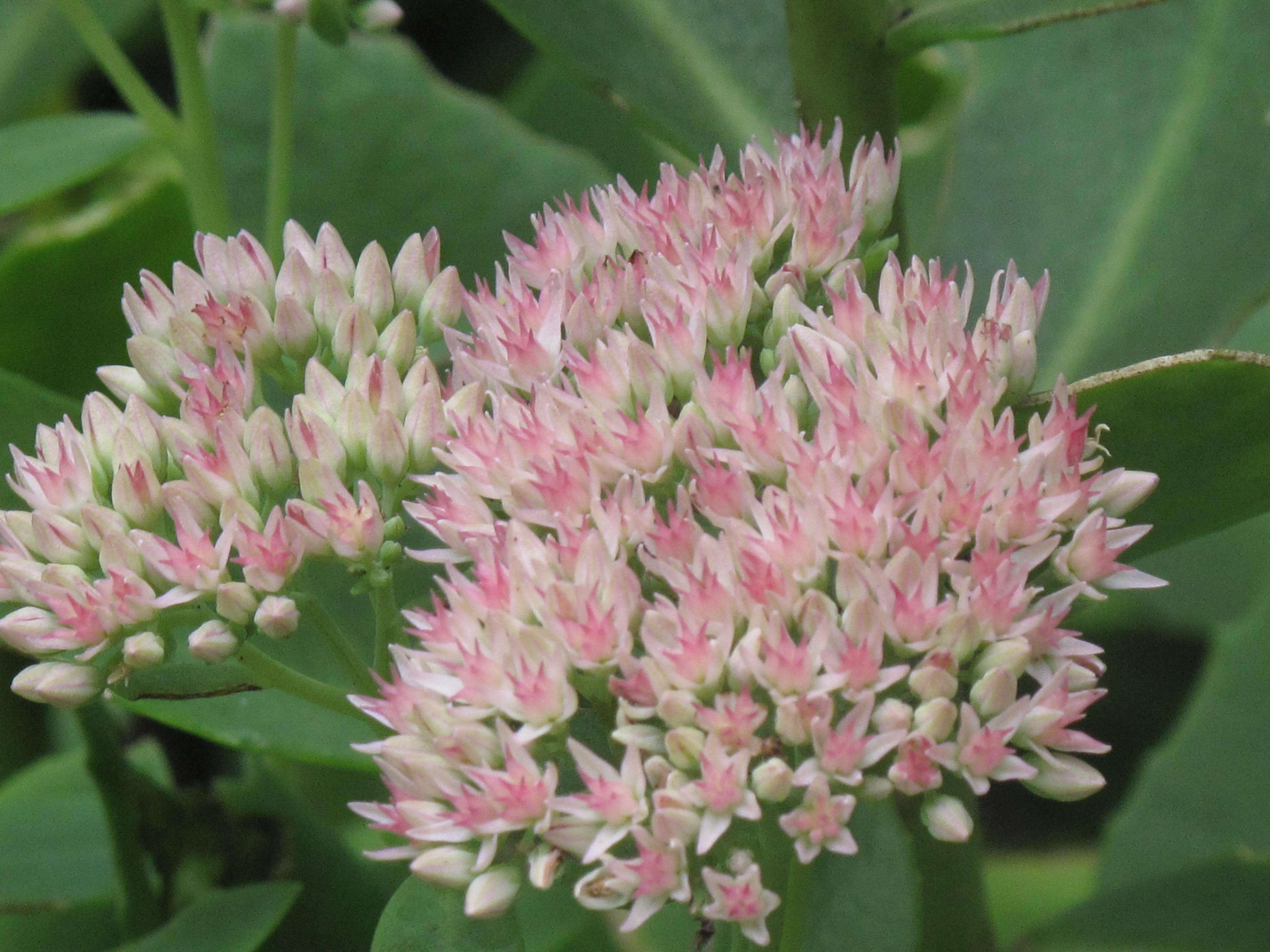
This is a Sedum ‘Autumn Joy’ and my sure-fire way of detecting Autumn’s presence among us.  The plant grows through Spring and Summer in our garden, but it is Autumn where the Sedum changes color from green to pinkish red.  It is my first wake up call that most things in our garden are now in their final stages and our appreciation of all things green is rapidly coming to a close with Winter only a few months away. 


Autumn starts a new season of flowers and blooms, second in spectacle only to Spring.  Sedum ‘Autumn Joy’ stalks appear in Spring and its flower heads form in July.  The flat corymbs that it produces look like broccoli until they change color.  In September on Glen Road, the flowers start to color up, turning a pinkish red.  Slowly the flowers turn red, and late in Autumn, the flowers on the Sedum ‘Autumn Joy’ turn a deeper rusty-red.  When frost finally takes the final life out of the Sedum, we cut it completely to the ground and say goodbye until the coming Spring.  I have read that many people do not cut the spent blooms away at frost time because of its great Winter appeal against the back drop of white snow.

Th Sedum ‘Autumn Joy’ is an excellent plant for those places you just don’t water often.  It is very drought tolerant and will turn a lighter shade of color if given too much water.  Plant where the Sedum ‘Autumn Joy’ will see a lot of sunshine as the leaves can actually turn floppy with too much shade.

The coloring to pinkish red on the Sedum ‘Autumn Joy’ is always a wake up call to begin Autumn chores.  When I see it change color, I think about getting Winter clothes out of storage, making sure the rakes can be found for leaf clean up and scheduling out our garden clean-up dates on my calendar.  From a gardener perspective, it makes me sad in a way to know that the garden will be leaving us for a while, but at the same time, this break is appreciated after a long season of planting and weeding.  As much as it reminds me that the garden is going to go away to re-energize for another season, it also reminds me of the fact that I too need this re-energizing period of time before I begin to think about my garden in 2012.  What things happen where you live that signal that Autumn is here? 
A Picture Is Worth A Thousand Words – Phlox You!

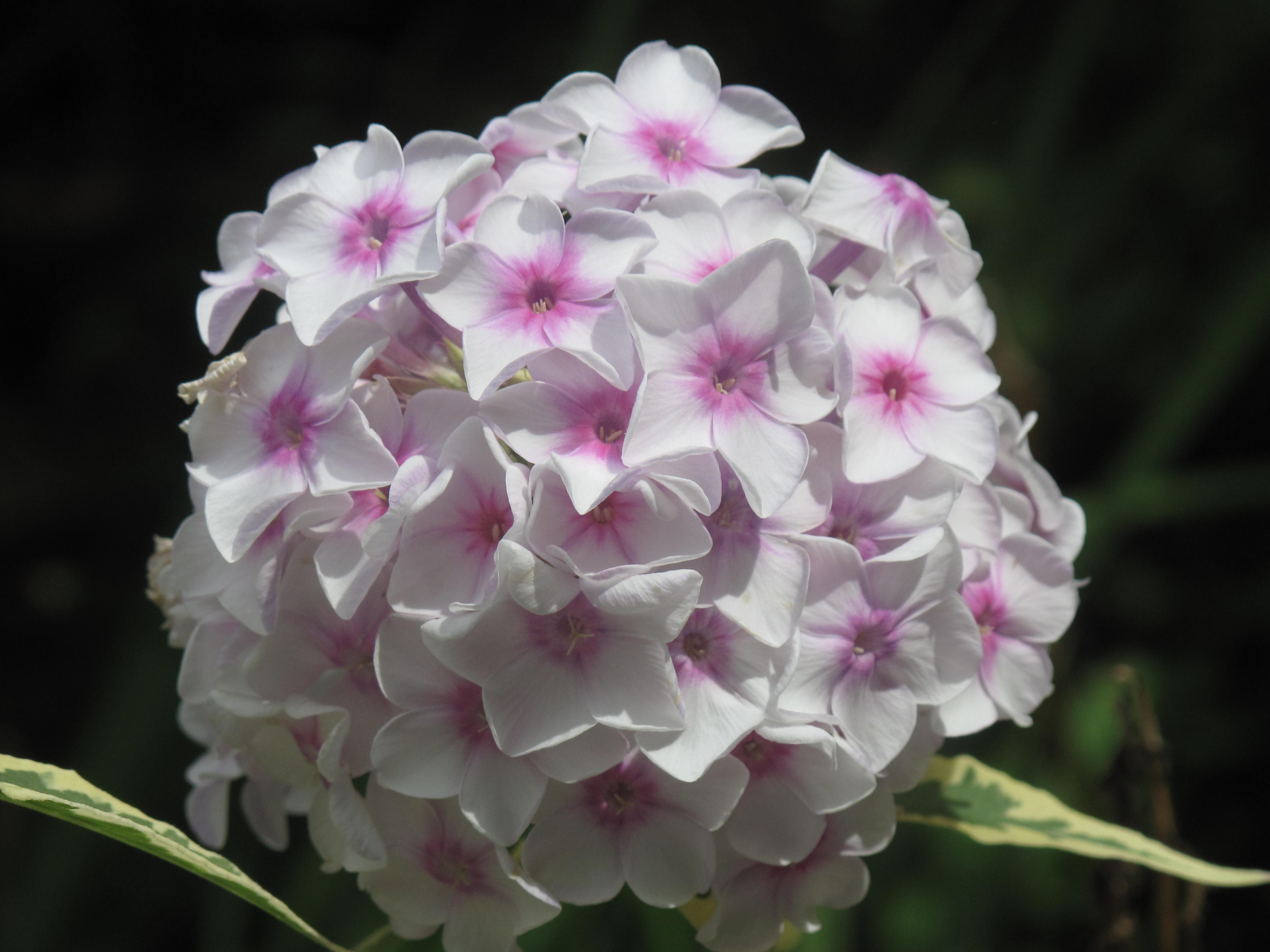
This is one of the remaining blooms in our garden.  How lovely is this Phlox bloom with its white flowers with intense pink centers?  We have had a lot of rain over the last week.  There were several fronts that moved through the Connecticut area that dumped quite a few inches of rain.  While you would think all the rain would be great for our plants, in most cases it just served to destroy any remaining blooms that were left in the garden.  A nice bloom takes a beating in heavy pouring rain!  So while most of the blooms were destroyed, this Phlox bloom held tough and is about all that remains in our garden.  How has your garden been doing in all this crazy weather we have been having?
A Field Trip To Le Farm Restaurant

This is Le Farm restaurant in Westport, Connecticut.  We were lucky to go there for dinner over the weekend.  Le Farm is one of those great restaurants where it seems one dish is better than the one you ate right before it.  It is an absolute great place for dining.  What else is great about it is that it is one of the front-runners in the farm to table movement.  Bill Taibe is the executive chef and here is how the restaurant and local farmers operate together to make the food at Le Farm some of the best and freshest food in the area.  This is from the website for Le Farm:

Farmers like to grow things.  They don’t like to market, advertise and transport them.  Bill Taibe likes to cook.  He loves using local ingredients — the fresher the better.  The convergence of area farmers and Taibe is good news for diners — and not just fans of Le Farm, Taibe’s restaurant that earns raves for showcasing market-based food cooked and presented in a homey, comfortable and very sustainable atmosphere.  Thanks to RSA — “Restaurant Supported Agriculture,” a concept that Taibe knows needs a zippier name — 5 local restaurants now offer the best in local products.  Banding together, they guarantee farmers a market for their goods.  Promising to buy takes pressure off the farmers.  They reciprocate by planting what the chefs request.  Make no mistake:  It’s not just lettuce, tomatoes and corn anymore.  Taibe — who built 2 previous restaurants on the barter system, and admits he “may have been born in the wrong century” — explains that RSA is based on the Community Supported Agriculture (CSA) model.  RSA is less structured – shares are not bought in advance from farmers — but the concept is similar.

Once a week — via the Green Village Initiative — 5 restaurants (Le Farm, the Boathouse and Dressing Room in Westport, CT, plus Wilton, CT’s Schoolhouse and Fat Cat Pie Company in Norwalk, CT) receive a list from local growers of whatever is ripe.  By 4 p.m. each Monday, the chefs respond with their own list:  what they want.  The farmers pick the crops on Tuesday morning.  By 2:30 that afternoon, Green Village Initiative volunteers have gathered it and it’s ready for pick-up by the restaurateurs.

Le Farm is a very small restaurant.  We counted 11 tables and were told that the restaurant holds 34 people at capacity.  That doesn’t mean there are 34 people dining there at one time.  The hostess told us that the kitchen cannot accommodate that many diners at one time.  So when you dine there, you are eating with a relatively small number of people and the atmosphere is really quiet and relaxed.

Wooden tables line the walls in a very homey and country sort of way.  Glass jars filled with dried split peas hold the silverware.  Water for the table is brought to you in country-style bottles.  There is a wine list for sale and limited cocktails are available made with spirits that were hand selected by Le Farm.  Have you ever heard of:

  • Tito’s Hand-Made Vodka
  • Caeden Head Old Raj Gin
  • Gran Centennaro Plata Tequila
  • Ben Riach 12 Year Scotch?

After you’ve secured the beverage of your choice, the food starts to roll in and you can’t believe what you are feasting on.  Let us show you some of the things our party ate while at Le Farm.

Let’s start with appetizers.

This is roast pork belly with whipped cornbread, collards and sweet bacon vinegar.

How about foie gras terrine with cherry marmalade, pistachios and toast?

This is smoked duck potato hash with black truffle and a fried egg.

This is an aged beef meatball salad with green cabbage, pignoli, parmesan and pickled cipolinis.

Last, but definitely not least, here is some cavatelli for the table made with sweet 100 tomato pan sauce, spicy oregano and parmesan.  We asked what sweet 100 was and we were told it was a type of tomato.

Who said we were done eating yet?  Now it is on to our main courses.  Not as many pictures as many of us got the same dish.  Great minds think alike I guess???  Here is what we had.

A Southern classic.  This is shrimp and grits with italian sausage, roasted corn and shrimp sauce.

A little comfort food?  Brisket braised in beer with beet tops, potatoes with horseradish and dill.

You can’t leave without dessert can you?  We couldn’t, that’s for sure.  Take a look at these treats.

This is a chocolate pot de creme with peanut butter cream and salted pretzels.

A brown-butter almond shortcake with strawberry gelato and cajeta caramel.

Some bourbon white raisin bread pudding with vanilla gelato and hazelnuts.

We’ll admit we were stuffed.  Well, with all this food, we were beyond stuffed.  If you are ever in Westport, Connecticut, Le Farm is a restaurant you must go to and enjoy.  We think you can tell a difference when you are eating really fresh and local ingredients prepared in such fun and inventive dishes like those served to us.  Tell us about your favorite farm to table restaurants in your neck of the woods?

A Plant I Like – The Butterfly Bush

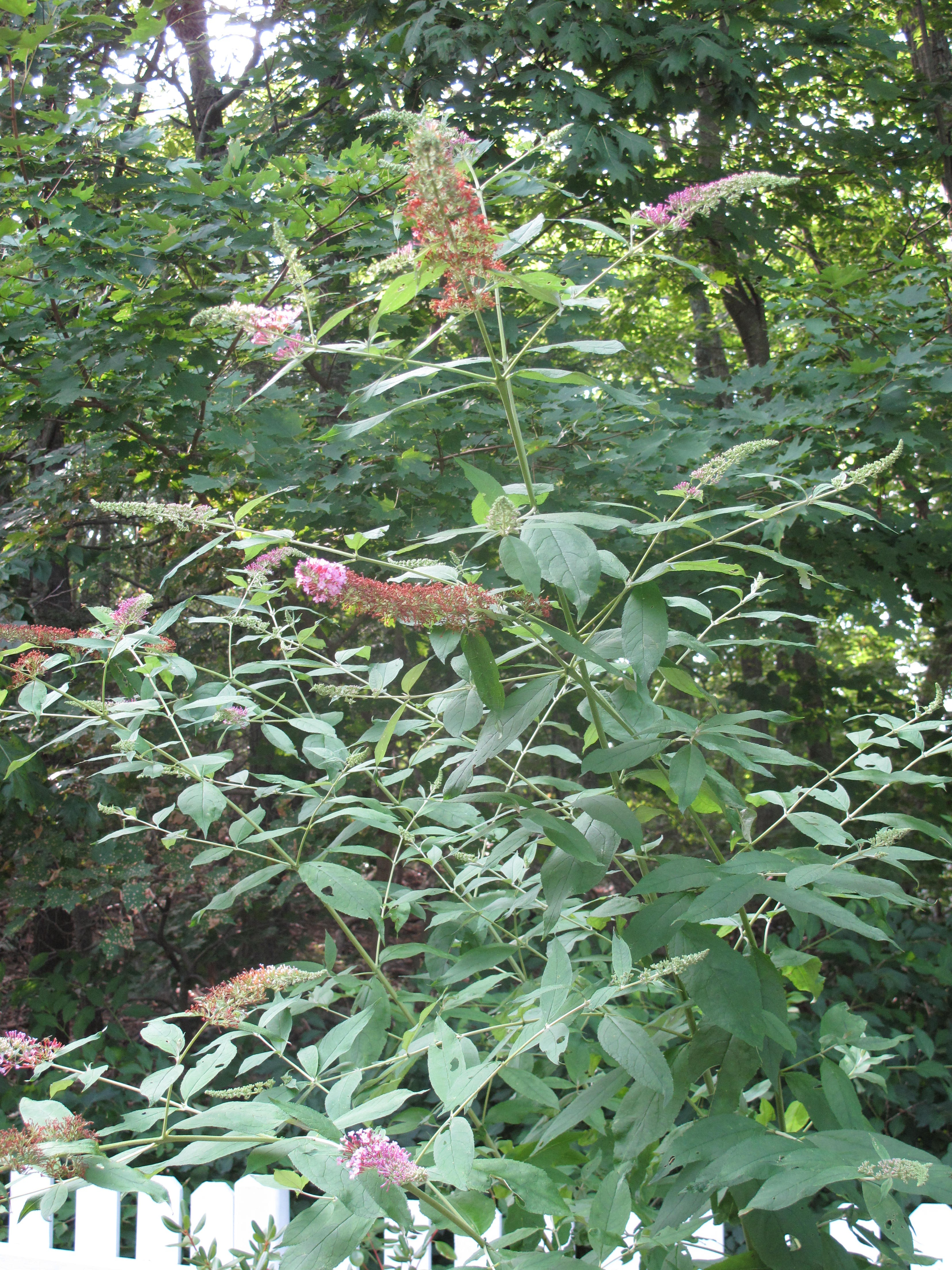
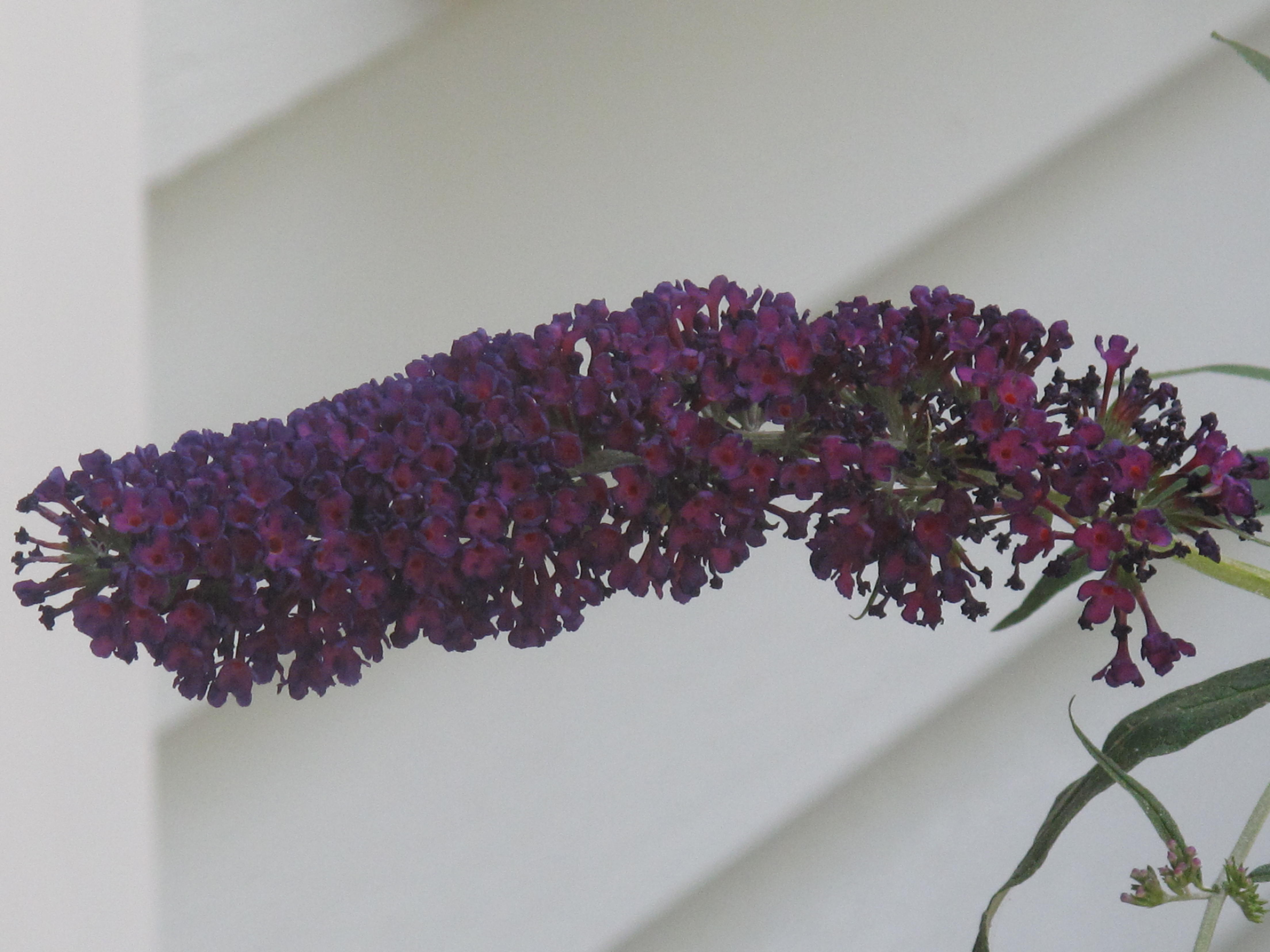
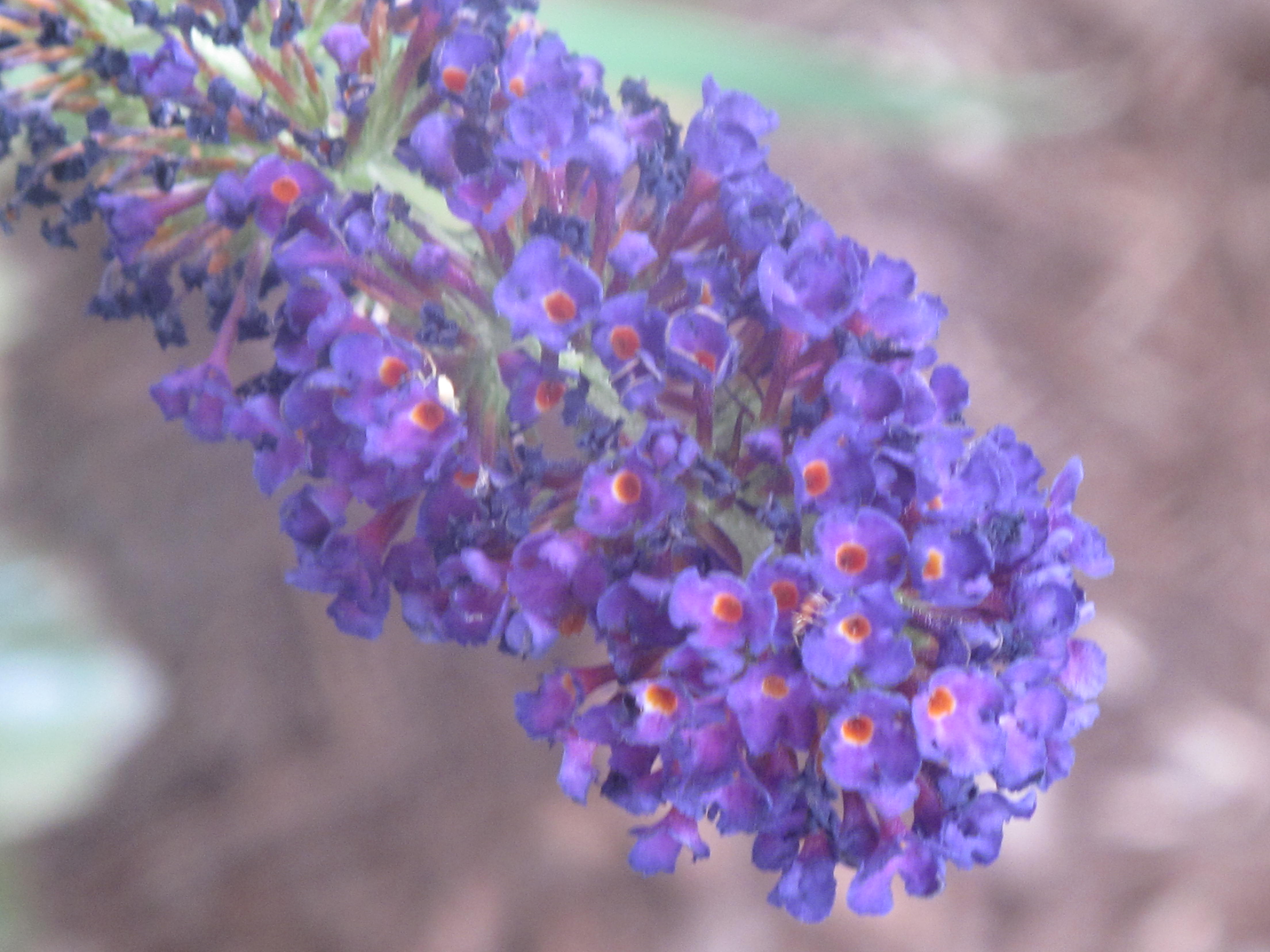
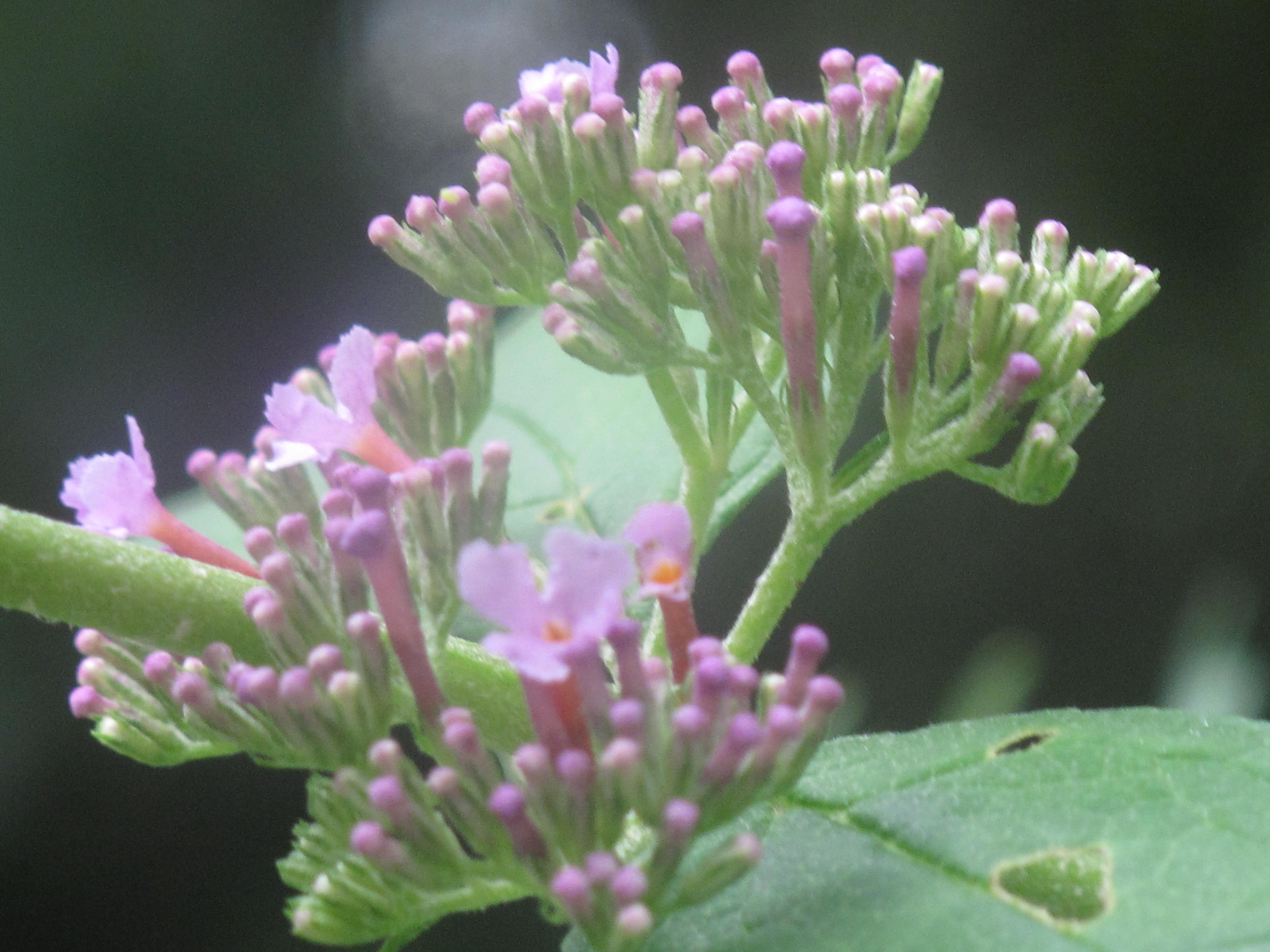
This is one of four butterfly bushes in our yard.  It is another one of the plants that we like in our garden.  They grow large with showy flowers and require little, if any, care.  Other than an occassional pruning, the butterfly bush is self-sufficient.  With a name like butterfly bush, you might expect a plant to be attractive to butterflies.  In fact, it’s more than attractive; it’s a magnet for all the butterflies who pass through your garden seeking nectar.  Many butterfly gardeners plan their garden around Buddleia (pronounced BUD-lee-ah), a genus that includes over 100 species and cultivars.  Also called summer lilac, the medium to large-sized shrubs can anchor a perennial bed or form a hedge.  With a little help from the internet, here is some more information about the beautiful butterfly bush.

You’ll be happier with Buddleia if you accept its growth habit, which is not neat and tidy.  Its narrow branches support lilac-like clusters of blossoms a foot or two in length, with side branches and blossoms.  After a rainfall, the flower-laden branches of some species can droop all over your flower bed.  You’ll want to allow at least six feet between bushes to keep some semblance of neatness.

But wait until you see the bush covered with butterflies!  You can see large and small butterflies land to sip from the many individual blooms.  Butterflies and bees will flock to the honey-scented blossoms, whose dilute nectar is sweetest in mid-day sun.  Near a path or patio, the shrub provides delightful fragrance for you, too.

Where did the name Buddleia come from?  A seventeenth-century amateur botanist named Reverend Adam Buddle was honored posthumously, when the first butterfly bush reached England in 1774.  Victorian-era explorers brought all kinds of exotic plants back to England.  From China came seeds of Buddleia davidii, the hardy species that is most familiar to gardeners today.  Named after a French Jesuit missionary, Pere Armand David, B. davidii reached London’s Kew Gardens in 1896.

Another reason for Buddleia’s popularity is that it’s easy to grow, even hard to kill.  Buddleia davidii tolerates urban pollution and alkaline soil.  It’s generally pest-free, except for spider mite infestations during drought or stress.

A plant that can take care of itself is great for any gardener.  Couple this with the butterfly bush’s great beauty and you have an all around winner.  These are must haves for any butterfly enthusiast.  When in bloom, there is rarely a time that you walk by and don’t see a flurry of gorgeous butterflies enjoying this plant.  They are a great addition to any garden in need of a large tree-like bush.  Go buy one.  What plants in your garden are your favorites?