Deadheading Has Nothing To Do With The Grateful Dead

This is the only nice part of deadheading in the garden.  Every once in a while, as you are cruising through the garden and cutting off spent flowers, you see the occasional moth or butterfly trying to hold on to something that was once so plush and gorgeous.  It happens every Spring.  Your garden flowers come on hard and strong.  You get such a magnificent display of color in all the blooms that open.  All the beauty makes you proud to be a gardener.  Then in a few short days for some flowers and a few short weeks for others, it is over.  The blooms wilt and die.  The dead flowers become a grim reminder that Spring is leaving.  As a gardener, you then move into the next phase of gardening and what I officially think of as the start of Summer.  The dreaded deadheading.
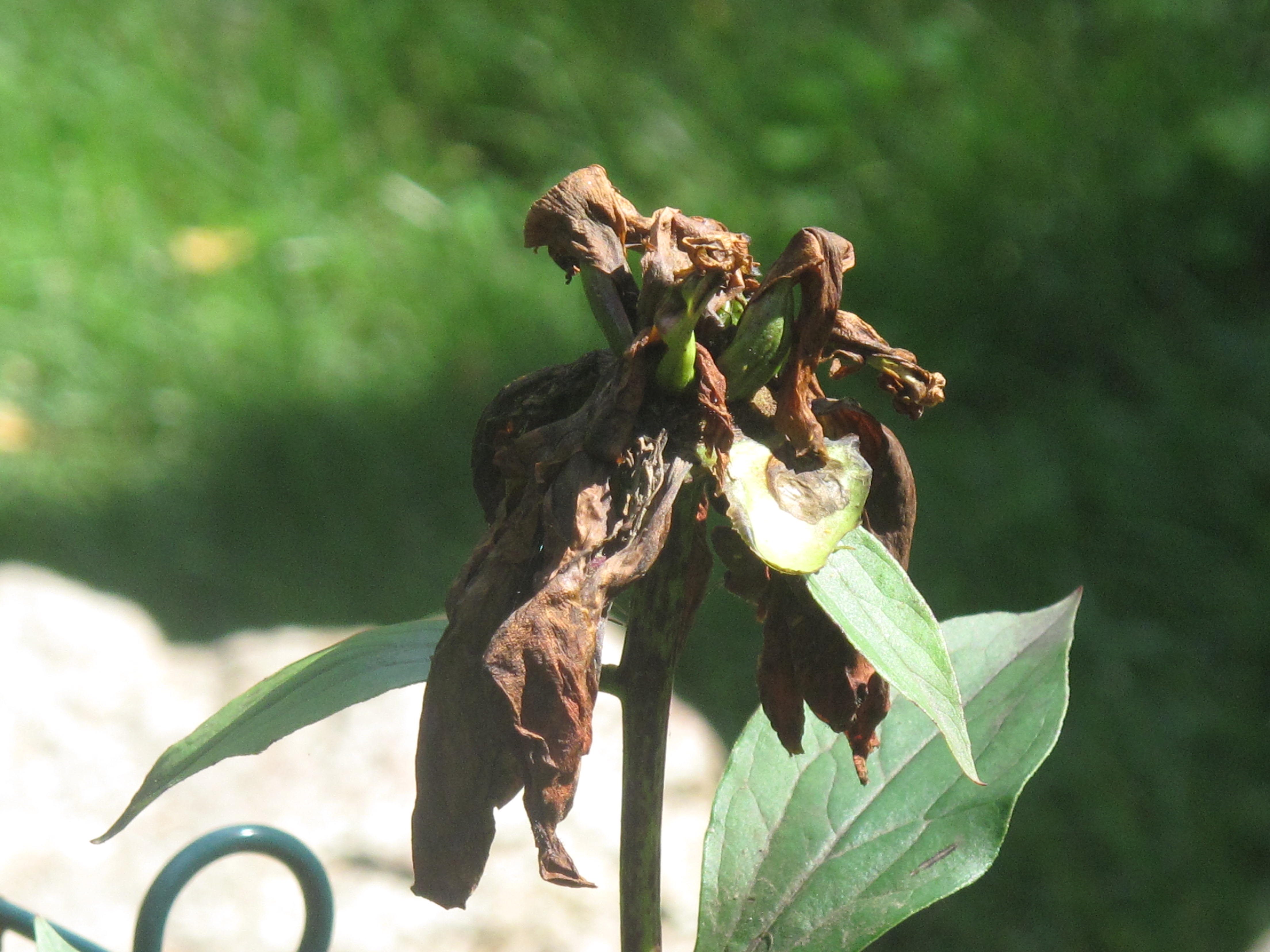
This was once a peony.

There are a lot of chores that a gardener needs to do during the growing cycle.  There is none that I hate more than deadheading flowers.  I like the chores that are about encouraging growth.  I hate the ones that make me deal with the dead.  There is no amount of songs on my iPhone that I can listen to that keep me motivated enough for the task of snip, snip, snipping dead flowers.  The dead flowers are everywhere and the chore never seems to end.  You can go through your entire garden and end up at your starting point and will still see dead flowers that you’ve either missed or they have died since your last trip through.  It’s depressing!
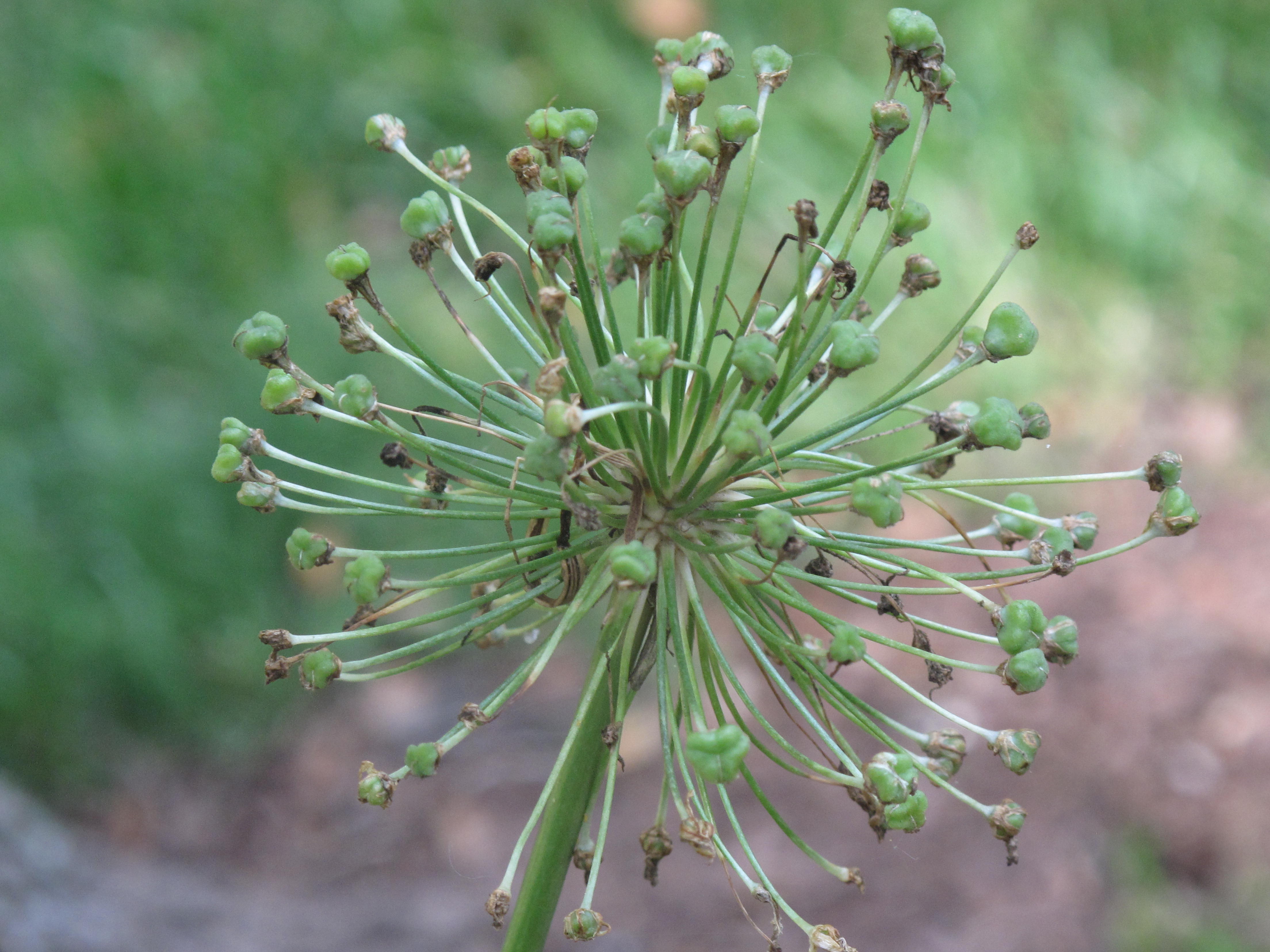
A spent allium.

So why do I do it?  Because dealing with the dead helps bring back life.  If left to their own devices, many flowers will bloom heavily for a short period of time, then set seed, thinking they’re done for the season.  Deadheading interrupts this cycle.  You’re actually fooling the plant, forcing them to send out another flush of blooms to try to complete the reproductive cycle.  The blooms in the second or third display may not be as large or as numerous as the first, but they are certainly worth the effort.  This is especially true for roses, day lilies and flowering annuals that inhabit a large section of my garden.  For the bulb population like alliums and tulips, deadheading flower and stem down to the ground helps keep the energy in the bulb versus having the bulb send it to the flower to produce seed.  Deadheading these perennials helps to strengthen the bulb for next year’s growth.
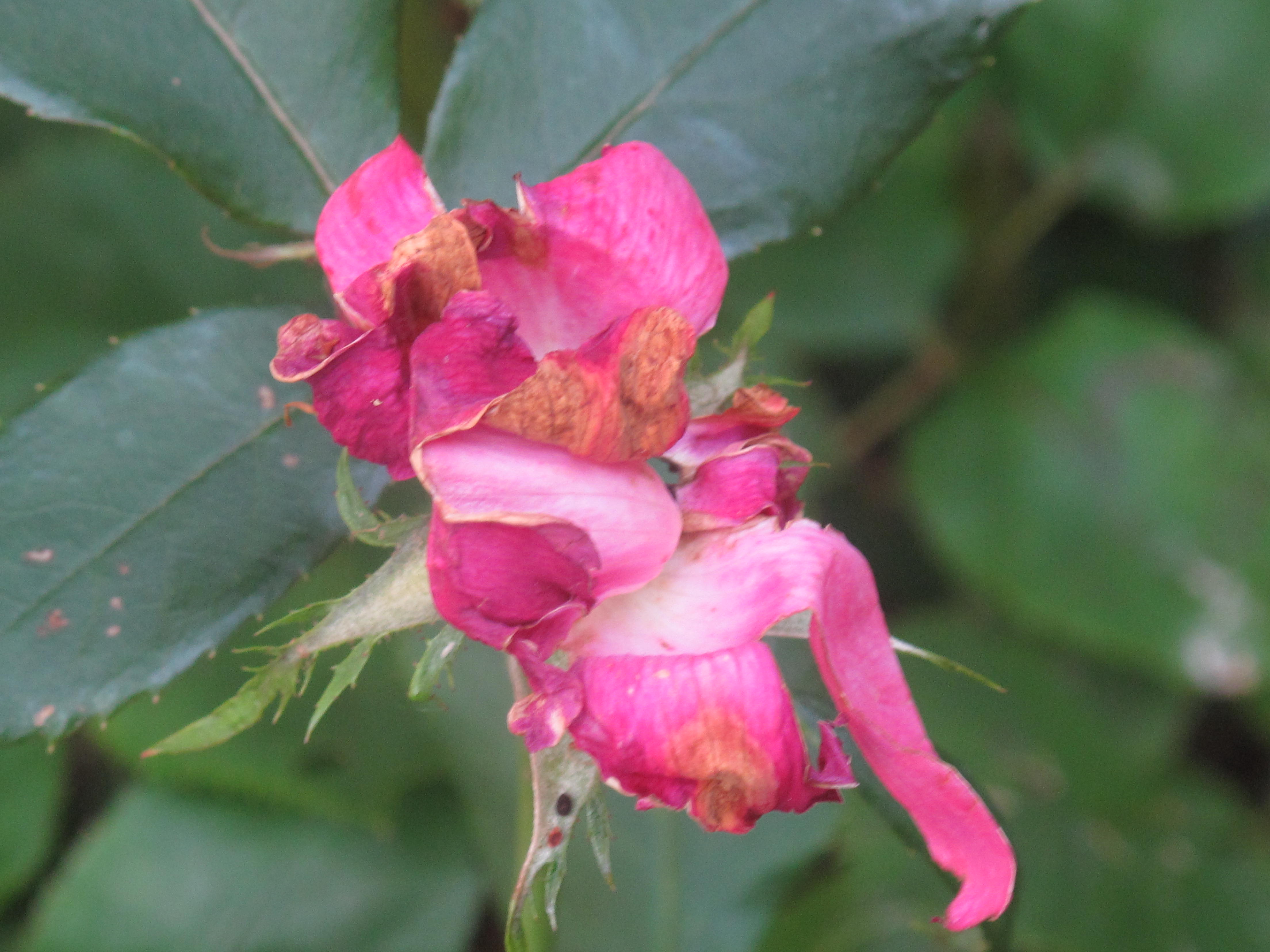
A rose that has seen better days.

So if you ever see me in my garden with a sad or bored look on my face, you will know it is deadheading that is what is bringing me down.  Please try to distract me….it won’t take much.  I know I’ll be happy when the next round of rose blooms come around, but in that moment, I would give anything to be somewhere else.  What garden chores are your least favorite? 
Lemon Lovers Unite

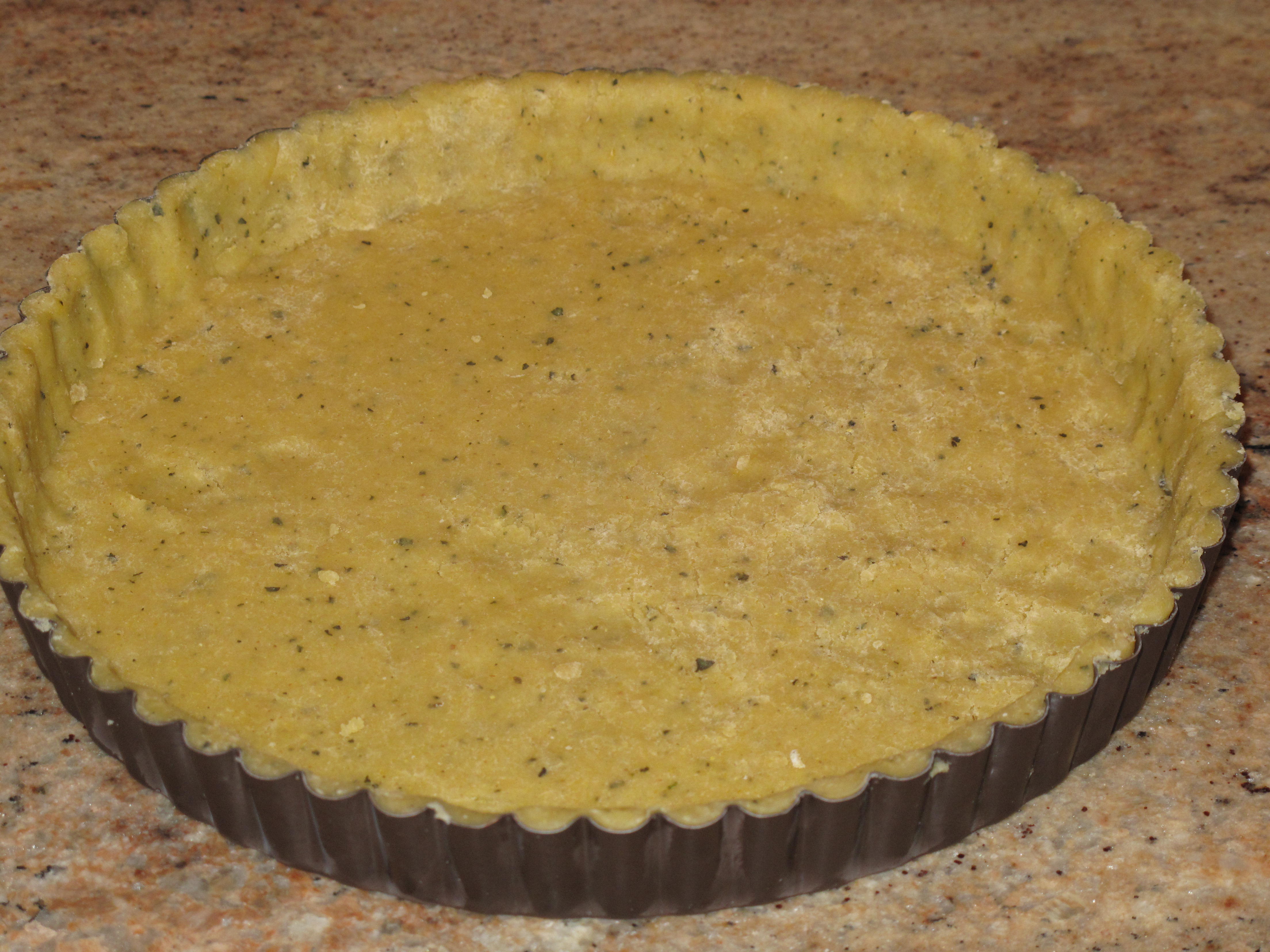
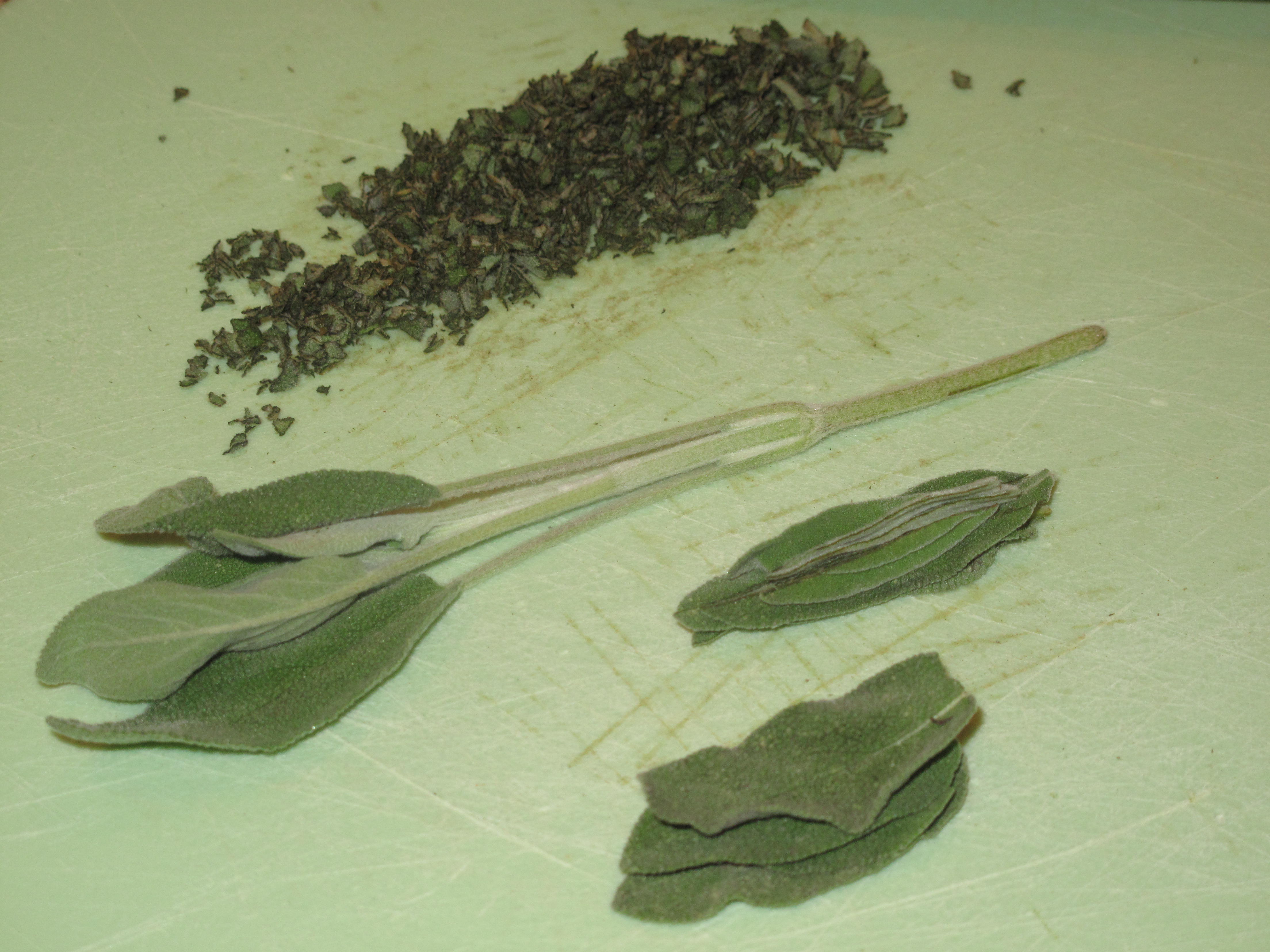
This is some finely chopped sage.  It is for the crust of a lemon tart that I made for dessert.  It is no secret that I don’t really like citrus flavors in the food I cook.  I’m not a big fan of  zest in anything and I don’t like to punch up any flavor with citrus juice.  When the troops were asking for something that had lemon in it, I had to think what recipes I had that at least had something in it that would interest me.  I have been reading Martha Stewart’s ‘Pies and Tarts’ and I saw this recipe for a Marbled Lemon Tart with a Sage and Cornmeal Crust.  This sounded different enough.  This was what I would make to get the lemon lovers their fix.  I was actually surprised.  A crisp crust that contained sage and cornmeal, along with lemon curd that had its bite taken down a few notches by the addition of creme fraiche.  It was pretty good.  So let’s make a lemon tart that even non-lemon heads can handle.

For the Sage-Cornmeal Crust:

Ingredients:

  • 2 1/4 cups all-purpose flour, plus more for work surface
  • 3/4 cup coarse yellow cornmeal
  • 3 tablespoons sugar
  • 1 tablespoon plus 1 teaspoon finely chopped fresh sage
  • 1 1/2 teaspoons salt
  • 1/2 teaspoon finely grated lemon zest
  • 3/4 cup (1 1/2 sticks) cold unsalted butter, cut into small pieces
  • 3 large egg yolks
  • 5 tablespoons ice water
Directions:

Pulse flour, cornmeal, sugar, sage, salt and lemon zest in a food processor until combined.  Add butter; pulse until mixture resembles coarse meal.  Whisk egg yolks and ice water in a small bowl.  With machine running, add to flour mixture through feed tube; process until dough just holds together.  Turn out dough onto a work surface.  Divide in half, and shape each portion into a disk.  Wrap in plastic, and refrigerate 30 minutes (or up to 2 days).  On a lightly floured work surface, roll out 1 disk to a 10-inch round.  Fit into a 9-inch tart pan with a removable bottom; trim edges flush with rim.  Refrigerate until firm, at least 1 hour (or up to 1 day).  Reserve remaining dough for another use (it can be frozen up to 3 months).  Preheat oven to 375 degrees.  Dock the shell by pricking the bottom of tart shell with a fork.  Bake until golden brown, about 25 minutes.  Let cool.

For the Filling:

Ingredients:

  • 1/4 teaspoon unflavored gelatin
  • 1 tablespoon cold water
  • 6 large egg yolks
  • 1 cup sugar
  • 1/4 teaspoon salt
  • 1/2 cup fresh lemon juice
  • 1/2 cup (1 stick) unsalted butter, cut into tablespoons
  • 3 tablespoons creme fraiche

Directions:

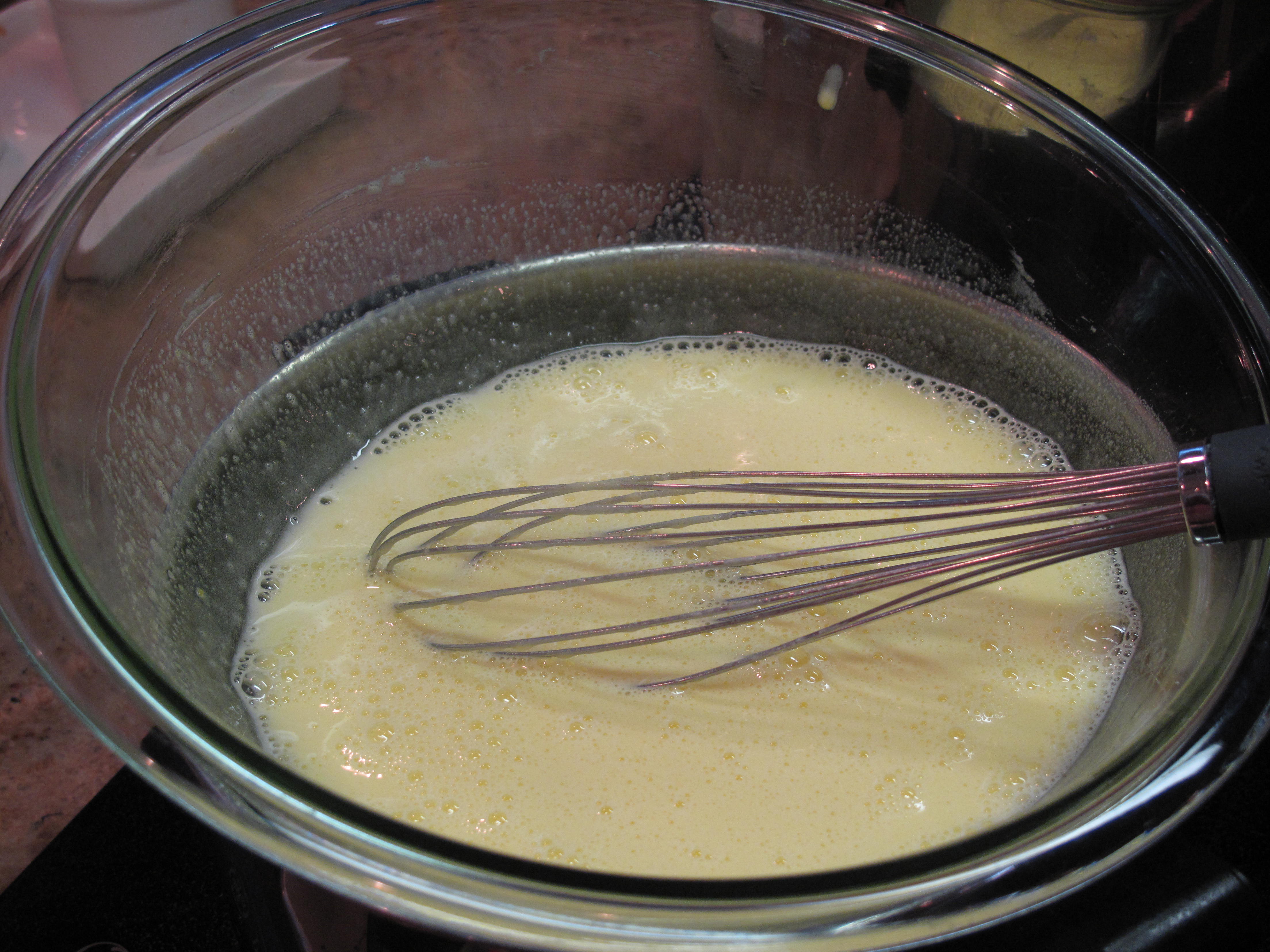
Sprinkle gelatin over cold water in a small bowl, and let stand until softened, about 5 minutes.  Whisk together egg yolks, sugar, and salt in a large heatproof bowl.  Gradually whisk in lemon juice.  Place bowl over a saucepan of simmering water, and whisk constantly until mixture has thickened and registers 160 degrees on an instant-read thermometer.  Whisk in gelatin mixture.

Remove from heat and whisk in butter, a few pieces at a time, until smooth.  Let cool, stirring occasionally.  Prepare an ice-water bath.  Place bowl of yolk mixture over bath and stir until slightly thickened, about 2 minutes.

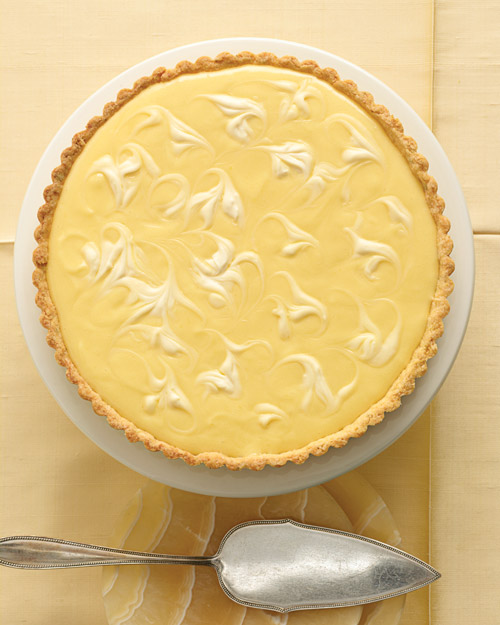
Spread curd into crust; smooth top.  Dollop creme fraiche on top.  Using a wooden skewer or the tip of a knife, swirl creme fraiche into curd to create a marbleized effect.  Refrigerate until firm, at least 2 hours (or up to overnight).

In my rush to get the dessert out to the lemon lovers, I forgot to take a picture of the finished product so I included a copy of Martha’s so you get the feel.  While no one’s dessert can look as good as one shot by a professional photographer, mine was pretty close….let’s just say in a more ‘rustic’ way.  Given that I usually give citrus the cold shoulder, even I thought this dessert was pretty tasty and refreshing.  So when lemon is the name of the game, give them something different with a lemon tart with a marble swirl in a sage-cornmeal crust.  It’s the perfect summer treat.  What desserts do you make that contain lemons?

Friday Dance Party – Solveig and Dragonette Come To Say Hello

This is another edition of Friday Dance Party on Acorns On Glen.  It’s the time where we give thanks for another week of living.  We give thanks for making it through and for being able to celebrate this fact.  How do we celebrate another week of living?  We dance.  So take a moment and be proud of the fact that you’re here and you’ve made it to another Friday.  Not only you, but your family and friends as well.  So, to that end, are you alive this Friday?  Have you given thanks for this?

Good, now let’s dance.

When I first started this blog, I never imagined how many other people do the same thing and have been doing it for years.  Yes, I had absolutely seen the bigger blogs that offer advice, communicate information or shape lifestyles, but hadn’t spent that much time understanding the number of normal folks that frequently communicate on what is going on in their lives.  The more time I have spent on WordPress.com reading these blogs from ordinary people, the more I have been impressed and inspired.  I have often wondered why everyone does their blogs on a regular basis.  What is their motivation?  It is a lot of work, there is no money in it and getting famous by writing a blog is like getting rich by winning the lottery–the odds are not good.  For me, I have enjoyed blogging for the creative aspect it provides and for it making me appreciate what’s real and great in my life.  I also like it for the chance to say ‘hello’ to so many people I would never have had the opportunity to meet and share a little about my life.  So to all the people who visit us here at Acorns On Glen each week, we would just like to say ‘hello’.  To that end, our little ‘Hello’ song this week is just perfect.  So take a listen, celebrate life and shake it in celebration.  You deserve it.  When did you start to blog and why do you like to do it (or not)? 

Apples Of My Eye

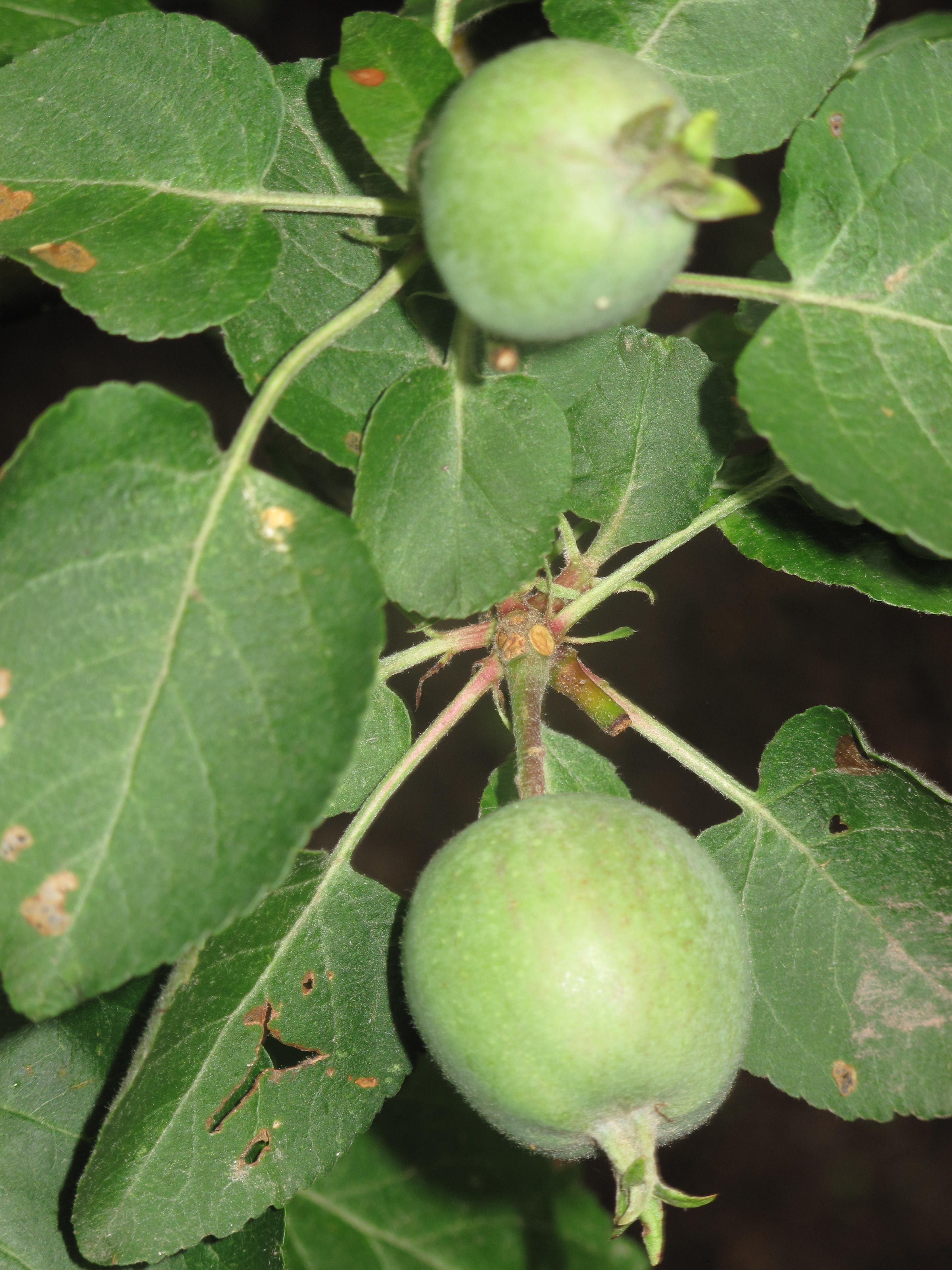
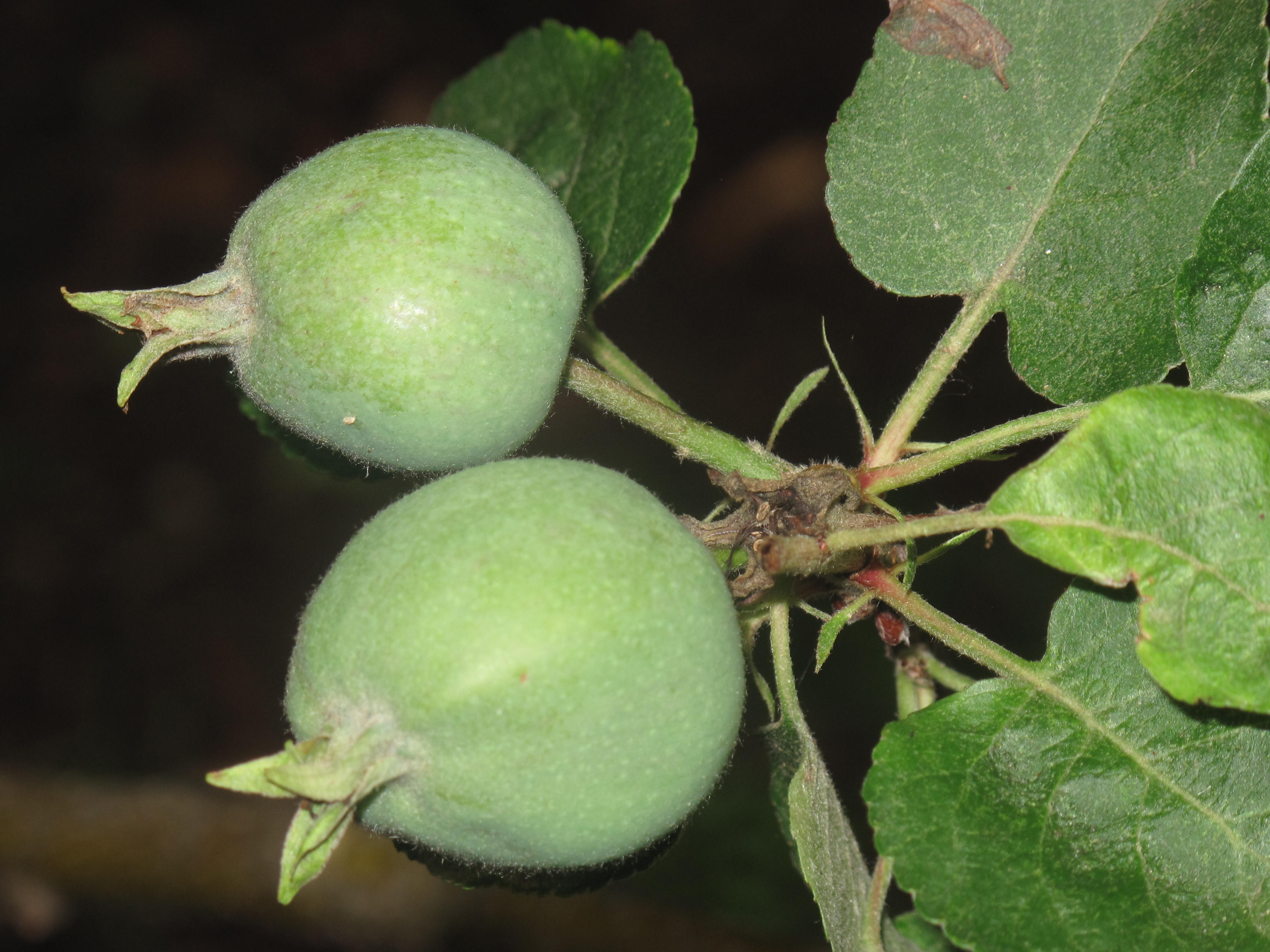
This is a very good sign.  There has been a lot of work getting the espalier apple trees in order this season.  We’ve spoiled the trees in every manner imaginable.  We started with two trees, noticed one was not doing well, removed it and replaced it with a new tree, built a support system to secure the branches and gave them a haircut.  With all this work, we have kept saying one thing.  “We better get some apples this year.”  The good news is that it appears we may be in luck this season.  The trees are producing apples for the very first time.  There aren’t a lot of apples on the trees.  Probably 20 at the most.  However, it is just nice to see your hard work pay off, especially in the garden where sometimes the harder you work results in some of your worst harvests ever.

The trouble we are facing now is how to take care of the fruit over the remainder of the Summer.  The last thing we want to do is have disease or insects take away our apples.  We try to garden in an organic fashion as much as possible.  Many of the established gardeners here in Connecticut are telling us that organic is not going to cut it as these apples continue to mature.  We will have to use some limited amounts of chemicals on them to keep them safe.  Do you have any recommendations on how to care for the apples over the Summer using the least amount of chemicals possible?

A Crisp Coconut and Chocolate Pie

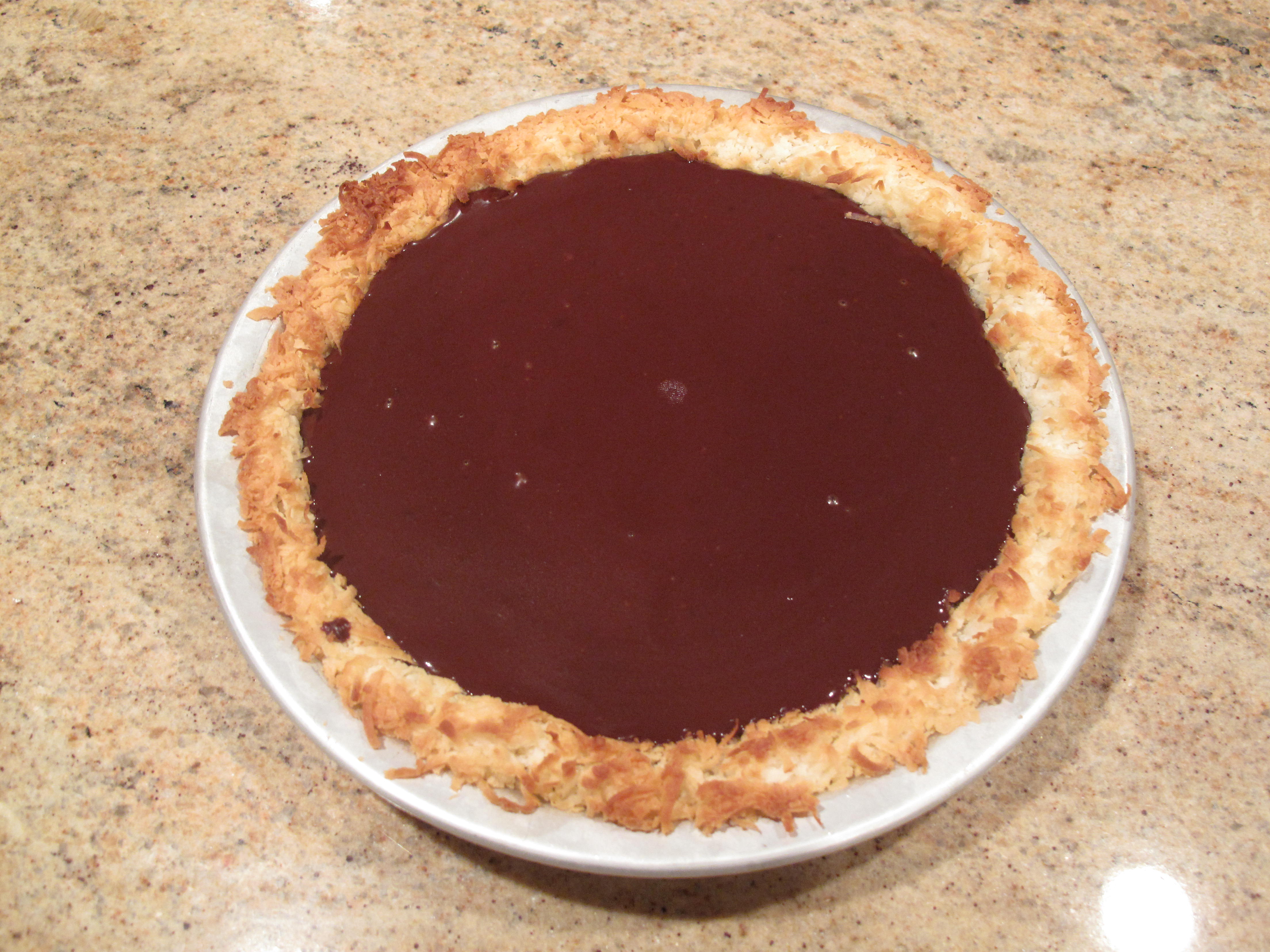
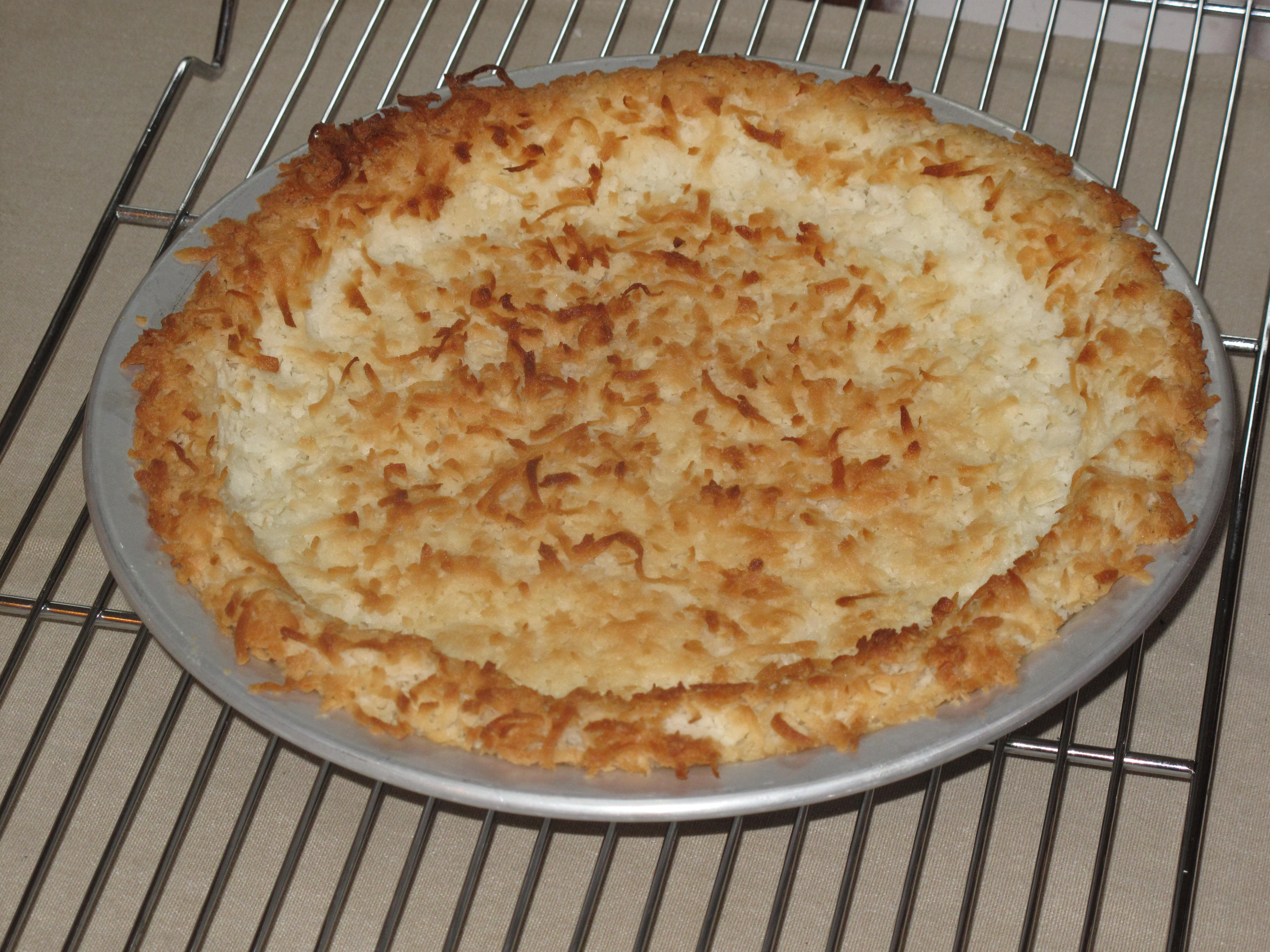
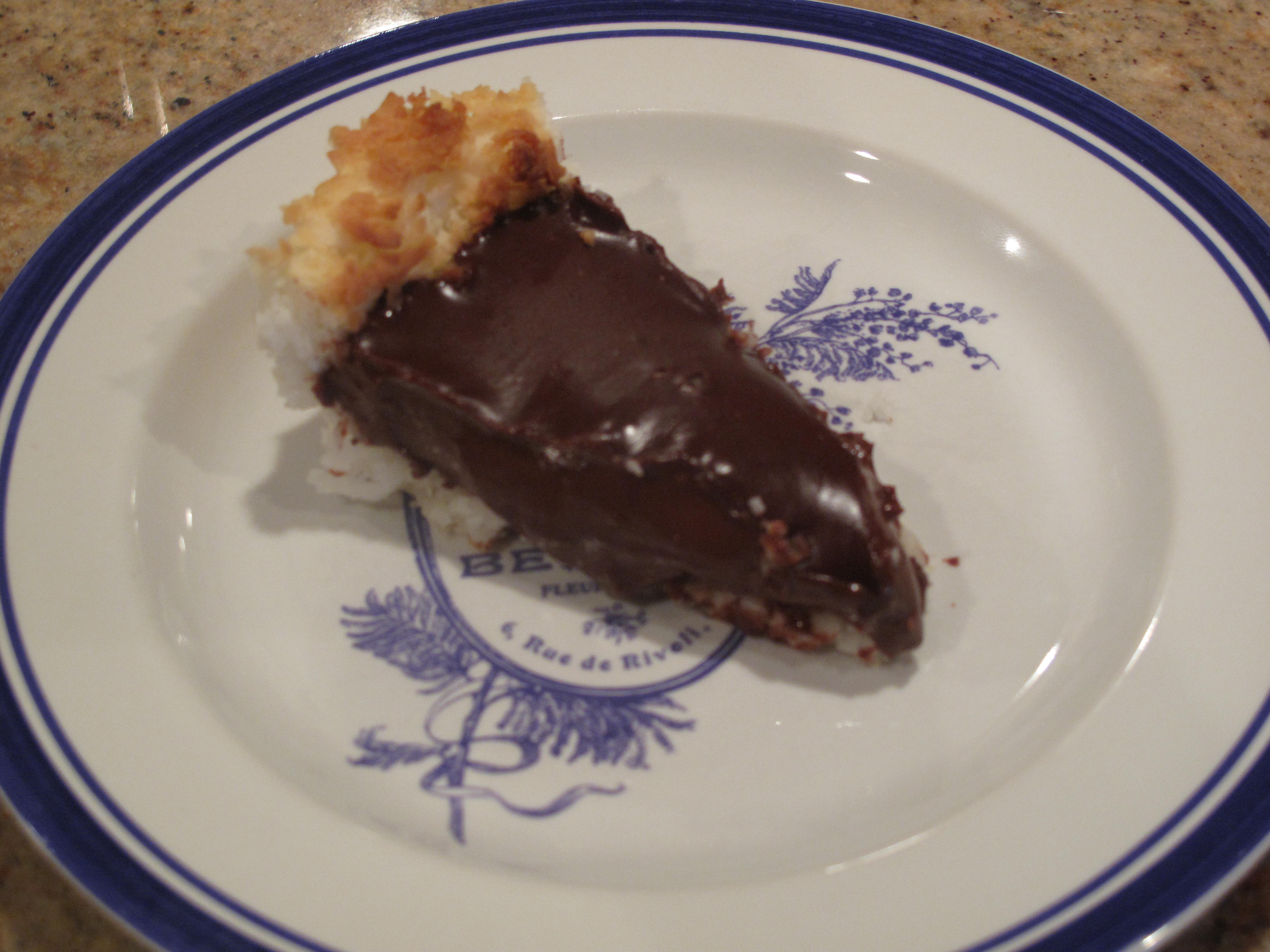
This is the most uncomplicated pie we know.  We received a copy of Martha Stewart’s “Pies and Tarts” cookbook and knew that we would need to make this pie.  We love coconut and chocolate, so what could be bad in putting these two ingredients together.  However, we didn’t have a lot of time and this recipe obliged.  In keeping with our quick and tasty theme, this pie requires only four ingredients-butter, chocolate, cream and shredded coconut.  The press-in crust comes together in seconds in a food processor.  After you bake the shell, you fill it with velvety chocolate ganache, which sets to a smooth sheen.  If you decide you want something sweet and it’s a little late in the day for a big production, give this crisp coconut and chocolate pie recipe a try.  Here we go:

Ingredients:

For the crust:

  • 4 tablespoons unsalted butter, softened
  • 11 ounces (about 6 cups) sweetened shredded coconut

For the filling:

  • 1 1/4 cups heavy cream
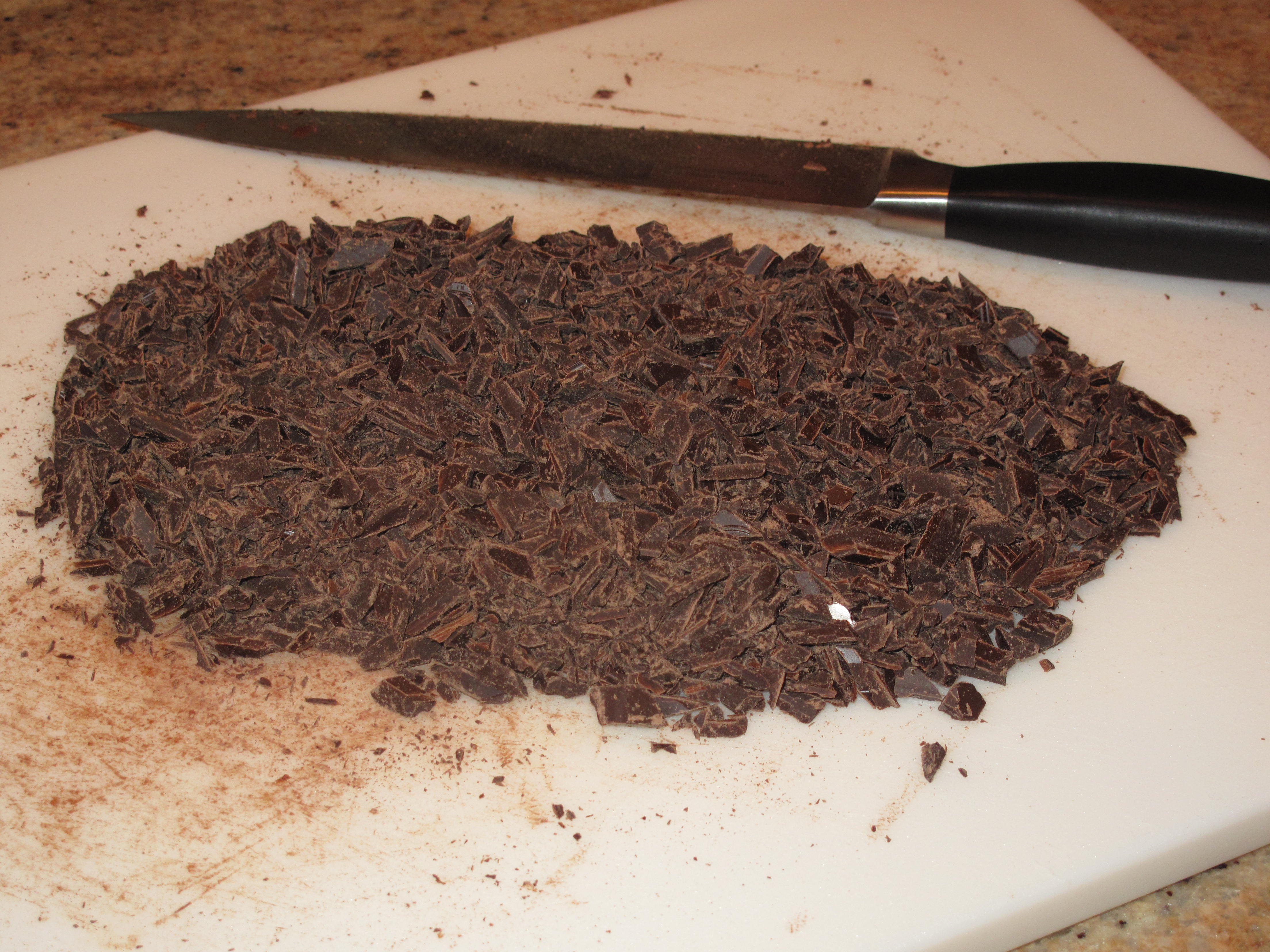
  • 8 ounces bittersweet chocolate (preferably 61% cacao), finely chopped

Directions:

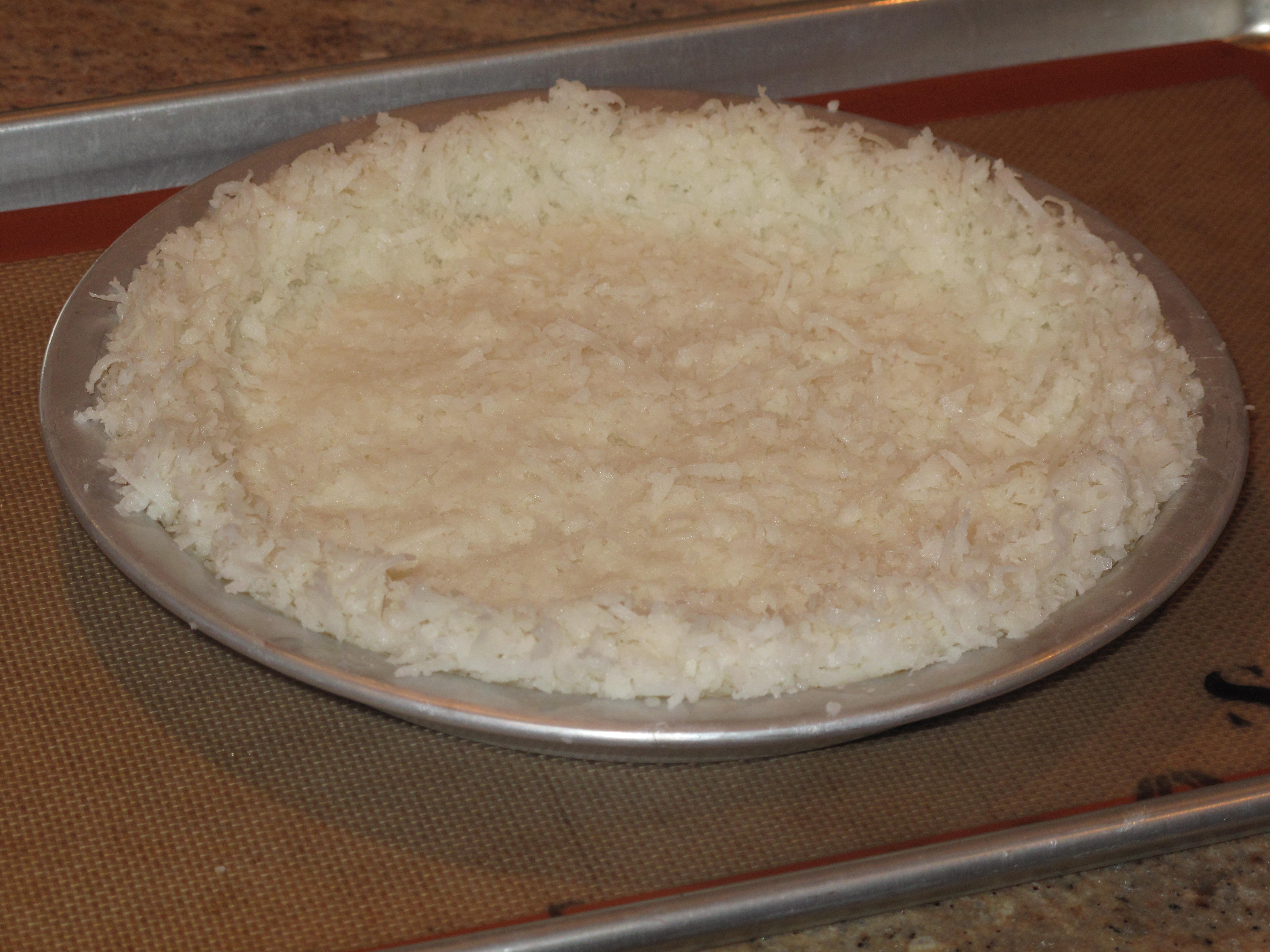
Make the crust:  Preheat the oven to 350 degrees F.  In a food processor, process butter and one-third of the coconut until mixture forms a ball, 1 to 2 minutes.  Transfer to a medium bowl.  Sprinkle remaining two-thirds coconut over mixture and combine with your fingers.

Place a 9-inch pie plate on a parchment-lined rimmed baking sheet.  Press coconut mixture into bottom and up sides of pan to form crust, leaving top edges loose and fluffy.

Place a foil ring over edge to prevent burning.  Bake until center begins to brown, 10 to 15 minutes.  Remove foil and back until edges are browned, 4 to 6 minutes more.  Transfer crust to a wire rack to cool completely.

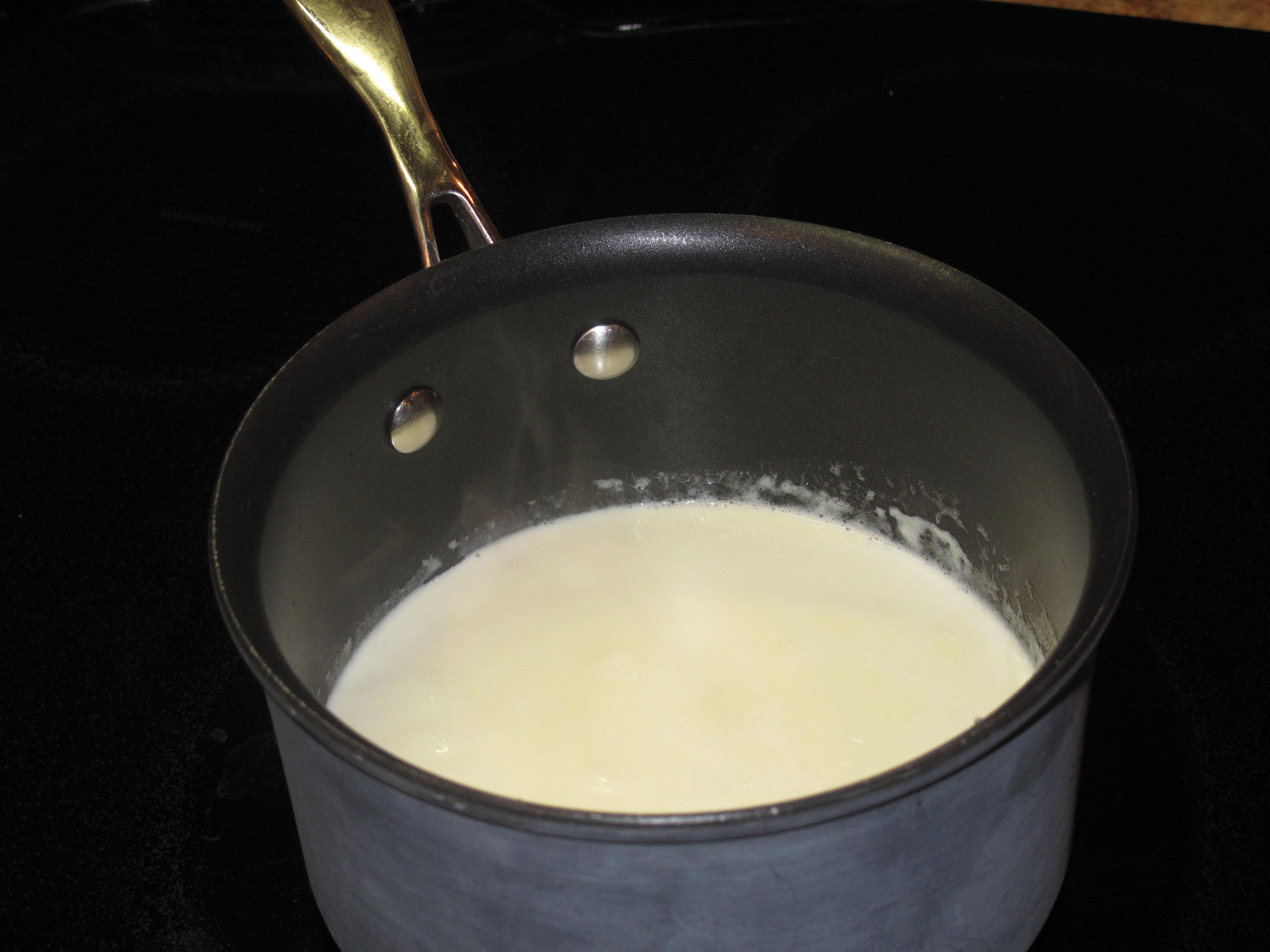
Make the filling:  Bring cream just to a boil in a small saucepan.

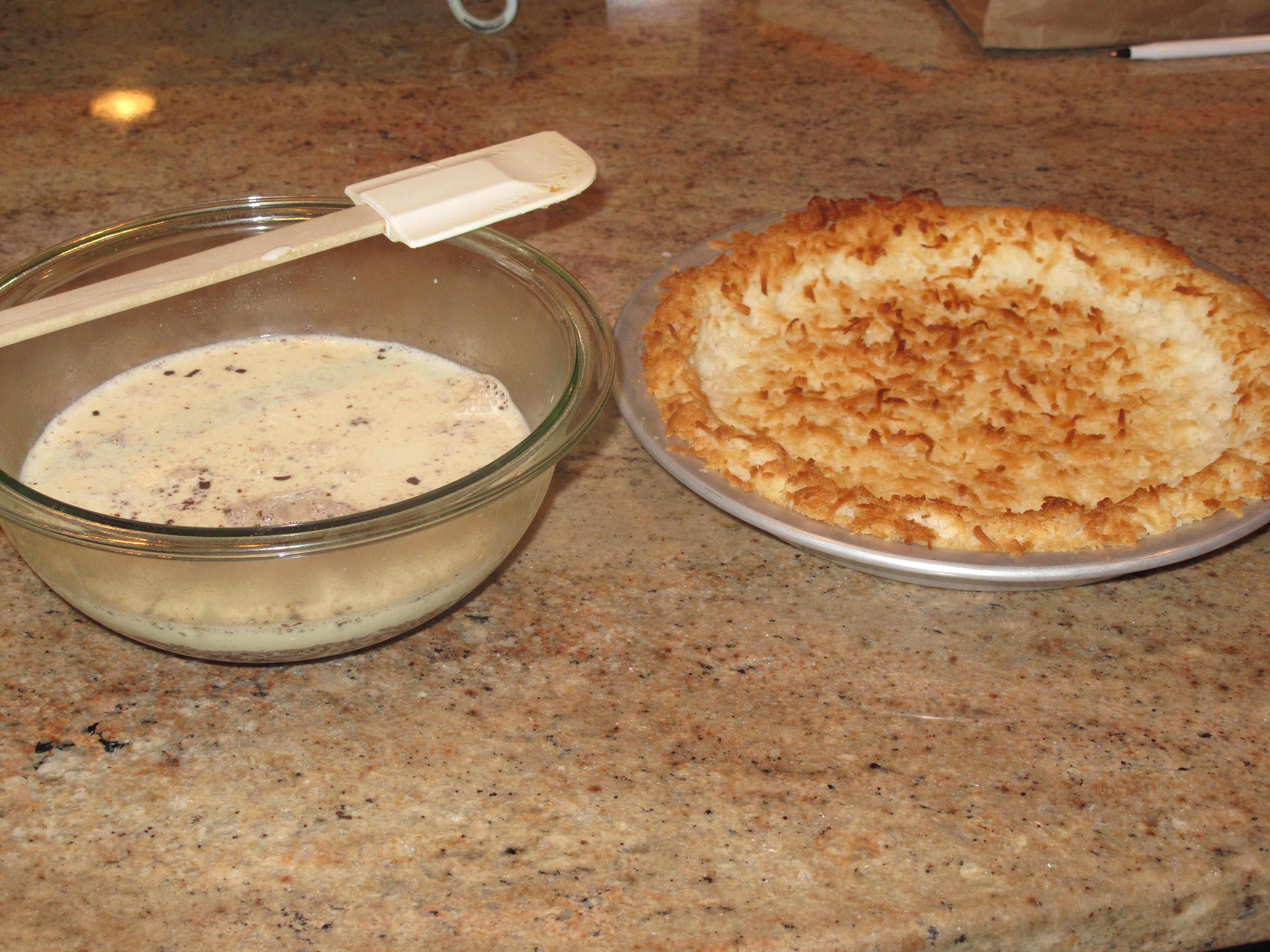
Pour over chocolate in a medium heatproof bowl.

Let sit 10 minutes, then stir until chocolate is completely melted and mixture is combined.  Pour into coconut crust.  Refrigerate until filling is set, 1 hour or up to 1 day.

There you have it:  ready, set, eat.  It sort of reminded us of a deconstructed chocolate macaroon.  It was the perfect match to our simple supper of salad, breaded chicken cutlets and whole wheat linguine aglio e olio.  Nothing fancy and time consuming–just a quick mix of chocolate and coconut.  Life is good.  What do you use when you need dessert in a jiffy?

Estate Sale Stewartia To Honor ‘Now, Voyager’

This tree is to pay homage to our favorite movie, ‘Now, Voyager’.  Have you ever seen ‘Now, Voyager’?

The 1942 movie stars Bette Davis and Paul Henreid.  Charlotte Vale (Davis) suffers under the domination of her Boston matron mother until Dr. Jaquith gets her to visit his sanitarium where she is transformed from frump to elegant, independent lady.  When she goes off on a South American cruise, she falls in love with Jerry (Henreid), already married.  Back home she confronts her mother who dies of a heart attack.  Charlotte, guilt-ridden, returns to the sanitarium where she finds Jerry’s depressed daughter Tina.  Tina achieves happiness through her attachment to Charlotte and the two move back to Boston.  When Jerry sees how happy his daughter is, he leaves her with Charlotte.  What about marriage for Charlotte and Jerry? Davis utters one of her most famous lines, “Don’t ask for the moon when we have the stars.”

One of our favorite parts is when Jerry says that Charlotte looks like a camellia in a white dress she is wearing while on their cruise.  When she returns to Boston, Charlotte receives a corsage of camellia flowers from Jerry and then she continues to wear camellias on her dresses as a reminder of her love for him.

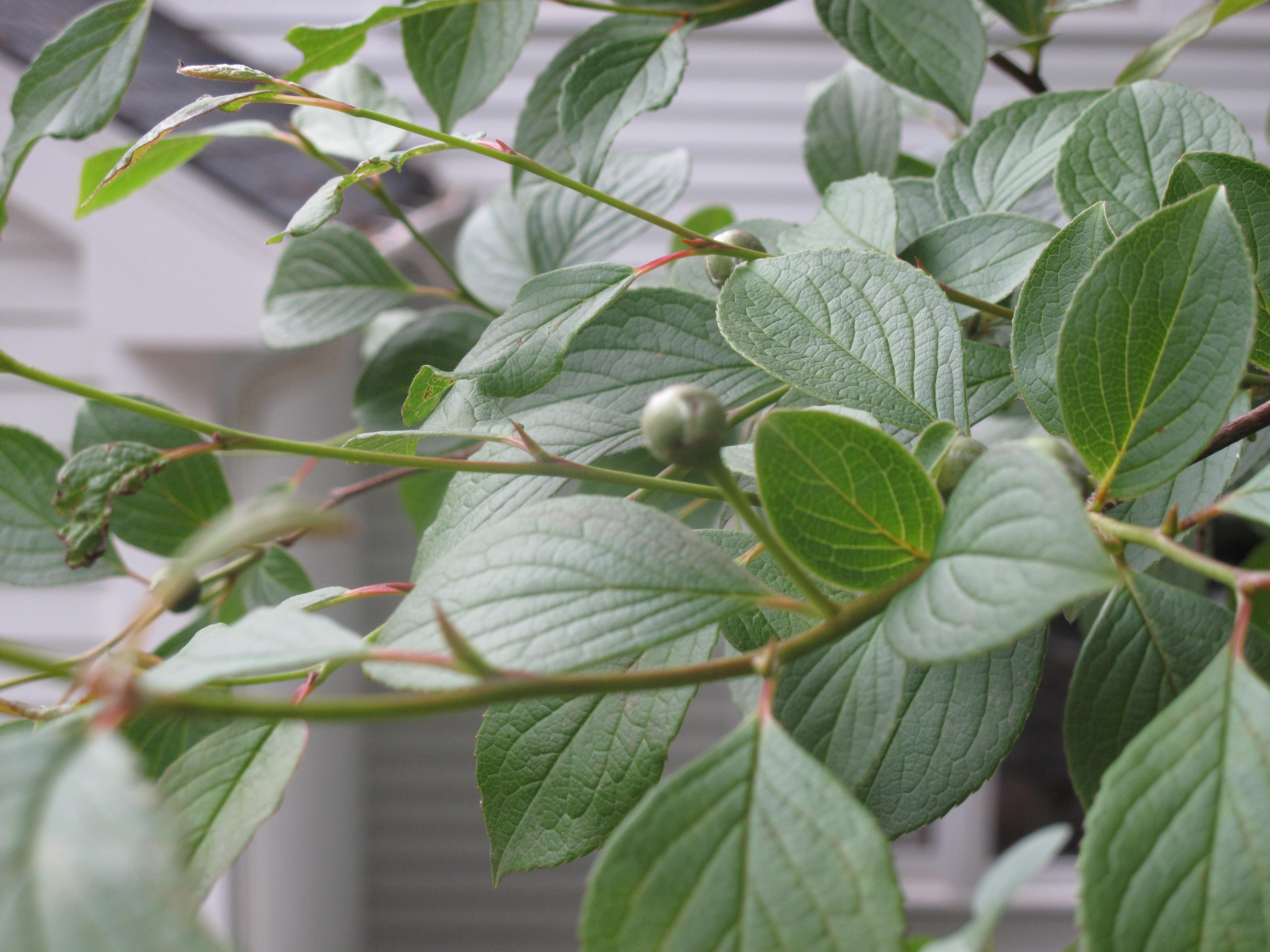
Two weeks ago, I was contacted that there was an estate sale in the area that included garden plants from the estate.  I have never heard of that in my life.  The estate actually dug up mature trees, bushes and shrubs and sold them.  In looking at the plant list, I saw that there was a Stewartia Pseudocamellia that was over 10 feet tall.  While not a true camellia, the flowers are so close, I knew I had to have it in our yard to pay homage to ‘Now, Voyager’.  I won the auction for the Stewartia and had it planted in our backyard.  Here’s a little background on our Stewartia:

Stewartia Pseudocamellia is a plant species in the genus Stewartia in the family Theaceae, native to Japan and Korea.  It is a small to medium-sized deciduous tree, often with multiple stems and/or low branching trunks.  The bark is smooth textured, exfoliating as the plants age and has a camouflaged or mottled appearance with patterns of dull orange and green with grey mixed in.  Because of this, it has great Winter appeal as it displays its bark against the snowy landscape.

The trees are pyramidal to rounded in shape with deep green colored foliage.  Young stems have a zig-zag shape with flattened, divergent buds.  The leaves are arranged alternately on the stems with an elliptical shape and finely serrated edges.  In the fall the foliage turns yellow, red or purple. 

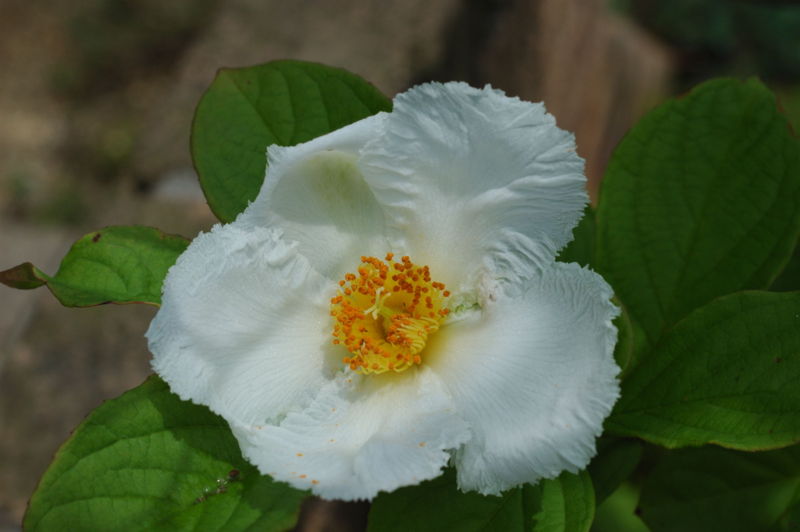
The flowers have five white petals with orange anthers and are shaped like Camellia flowers, round and flat to somewhat cupped.  They are produced in Summer, generally in June until the end of August.  Each flower is short-lived, but many are produced that open over many weeks.  The fruit is a brown capsule, triangular in shape with four or five angles, persistent on the trees but not showy.

We’ve often said that we like plants in our garden on Glen Road that are unique in nature or have a story behind them.  So the Stewartia fits right into what we like in the garden.  So now you know that on a clear night when the moon and the stars are shining bright, we will be outside standing by the Stewartia talking about ‘Now, Voyager’.  The two of us and the Yorkie….let’s consider her our Tina.  What are your favorite old-time movies?

Lots Of Bling – Christie’s Important Jewels

This is some major bling.  We were invited to a private viewing event for Christie’s Important Jewels auction before the auction takes place on Tuesday, June 14 at 10:00 AM.  We have always like jewelry.  Both of our mothers love to wear jewelry and they both own a lot.  We like the beauty, but also like how fine jewelry is made.  You need to have quite an intricate construction if you hope to hold onto your massive stones.  We also like the history of jewelry.  Pieces like we saw at Christie’s auction house have a story.  Whether it is suppressed emotions that come out in Victorian jewelry or Hollywood-style sex and glamour that come out from more recent pieces, finding out who wore it, how it was made and why it is being sold is always a great story.  The auction contained 125 pieces….some more understated than others.  The pictures were all taken from our i-Phone.  They aren’t too bad considering they were taken with a phone through glass viewing cases and bright lights.  Here are a few photos of our favorite pieces we wanted to share with you.  Enjoy!!

This is an emerald and diamond ribbon bow, designed as a cluster of marquise and pear-shaped diamonds and emeralds.  The bow is enhanced by calibre-cut emerald detail and is mounted in gold and platinum.  The bow is signed by Sabbadini.

$7,000 – $10,000 (or as high as the bidding goes)

This ring is set with a pear-shaped diamond, weighing approximately 10.01 carats, flanked on either side by a pear-shaped diamond, each weighing approximately 1.02 carats mounted in platinum.

$1,100,000  – $1,500,000

This is a diamond, ruby, onyx and gold cuff by Verdura.  The wide onyx cuff centering on a sculpted gold plaque, set with cabochon rubies and circular-cut diamonds, mounted in gold.  Christie’s research has found that this cuff is the widest onyx Verdura cuff to be offered at auction.

$20,000 – $30,000

This diamond bracelet is designed as an openwork circular and single-cut diamond wide band, set at the center with a graduated series of baguette-cut diamonds, mounted in white gold.

$10,000 – $15,000

Stunner alert!  The necklace is set with a graduated series of five cabochon emeralds, each within a circular-cut diamond surround, spaced by circular-cut diamond swags, to the circular-cut diamond scalloped backchain and cabochon emerald clasp (which you can’t see from this photo), mounted in platinum and 18k gold.  The ear pendants (not earrings I guess if you are loaded) each suspend a pear-shaped cabochon emerald, within a graduated circular-cut diamond surround, from a circular-cut diamond link, the surmount set with a cabochon emerald, with a circular-cut diamond surround, mounted in platinum and gold.

Necklace $60,000 – $80,000

Ear Pendants $10,000 – $15,000

The star of the show!  A diamond ring set with an oval-cut diamond, weighing approximately 46.51 carats, flanked on either side by a pear-shaped diamond, weighing approximately 1.01 carats, mounted in platinum.  The catalog from Christie’s says it is the property of a distinguished lady.  We’re thinking Elizabeth Taylor’s estate, but who knows??

$2,500,000 – $3,500,000 (wrap it up….we’ll take two)

We hope you liked our little virtual jewelry show.  If you can afford a majority of these pieces, please let us know so we can adopt you as soon as possible.  It’s fun to do something different and we wanted to share this night with you.  Let us know if you would like us to place a bid for you.  You can trust us with your cash.  Have you ever seen bling like this before in your life?

Fried Baby Artichokes

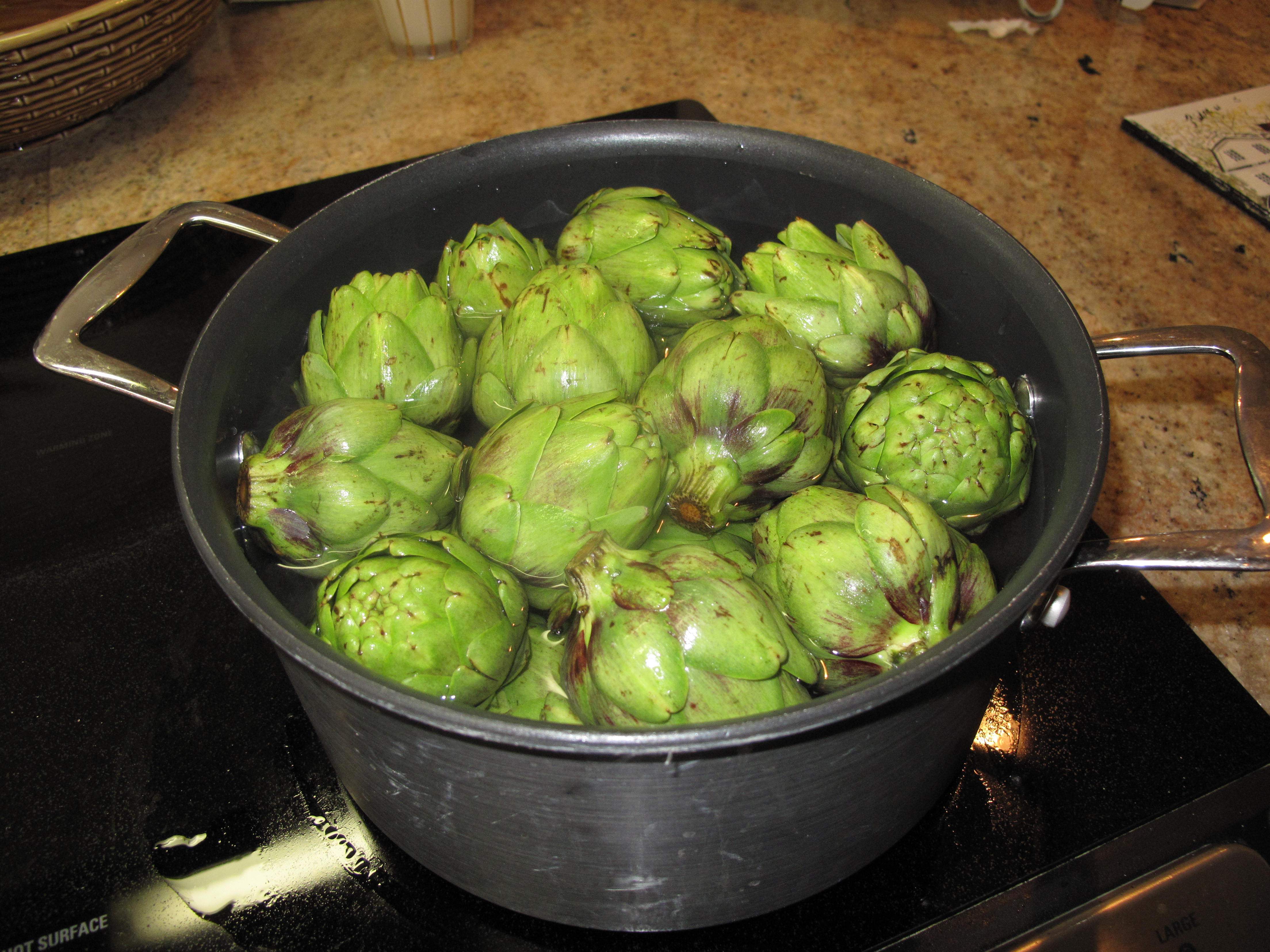
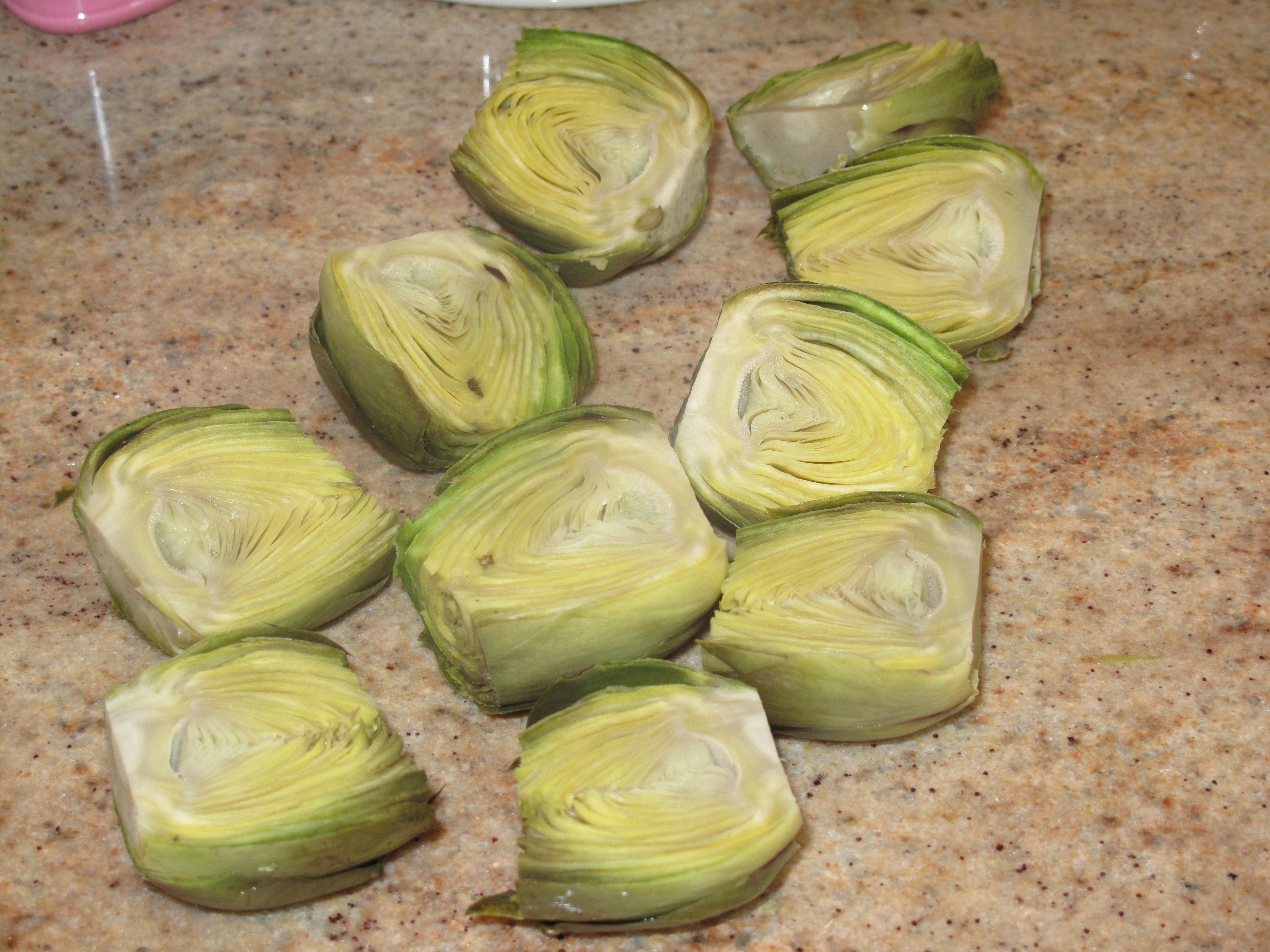
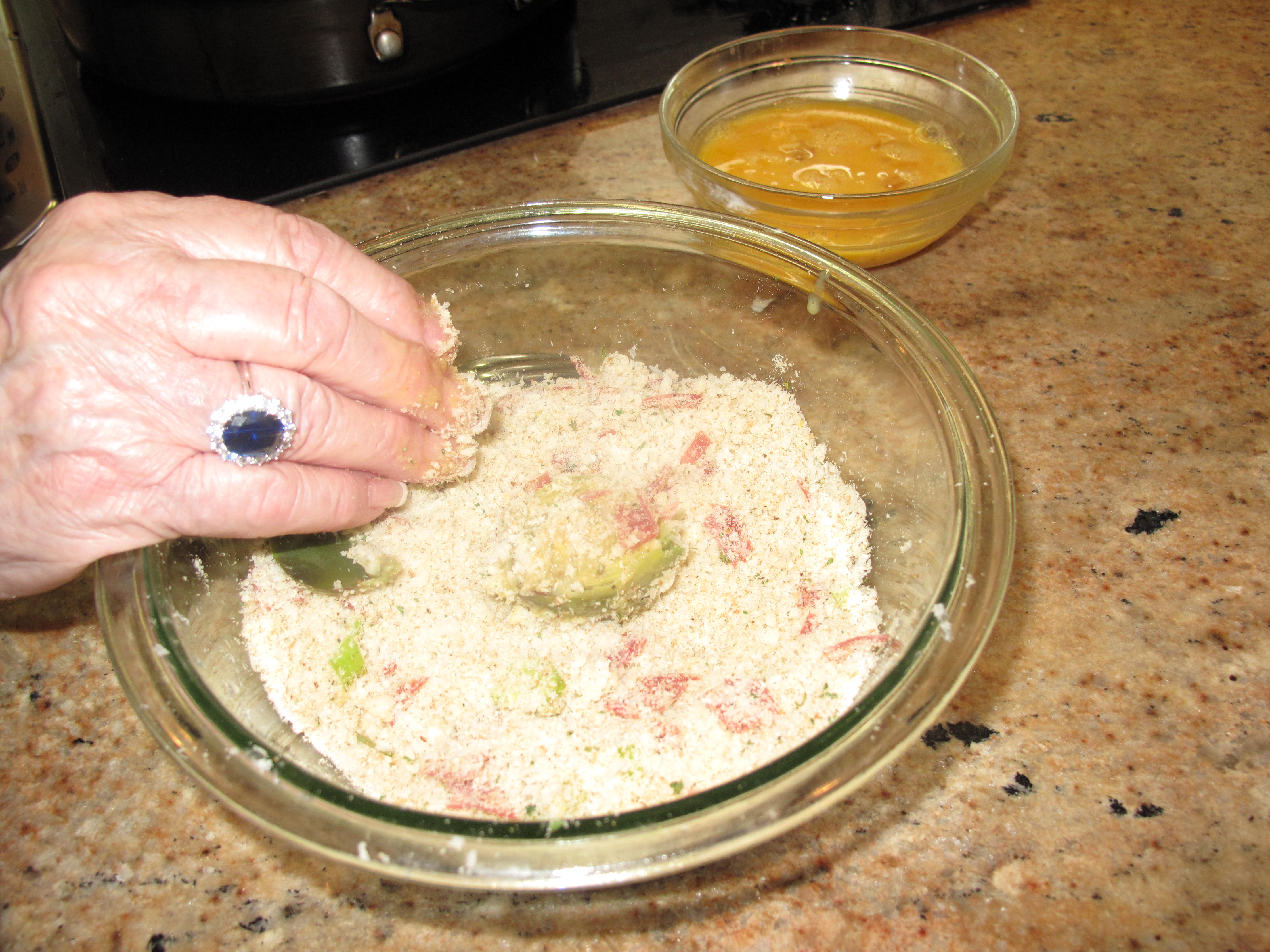
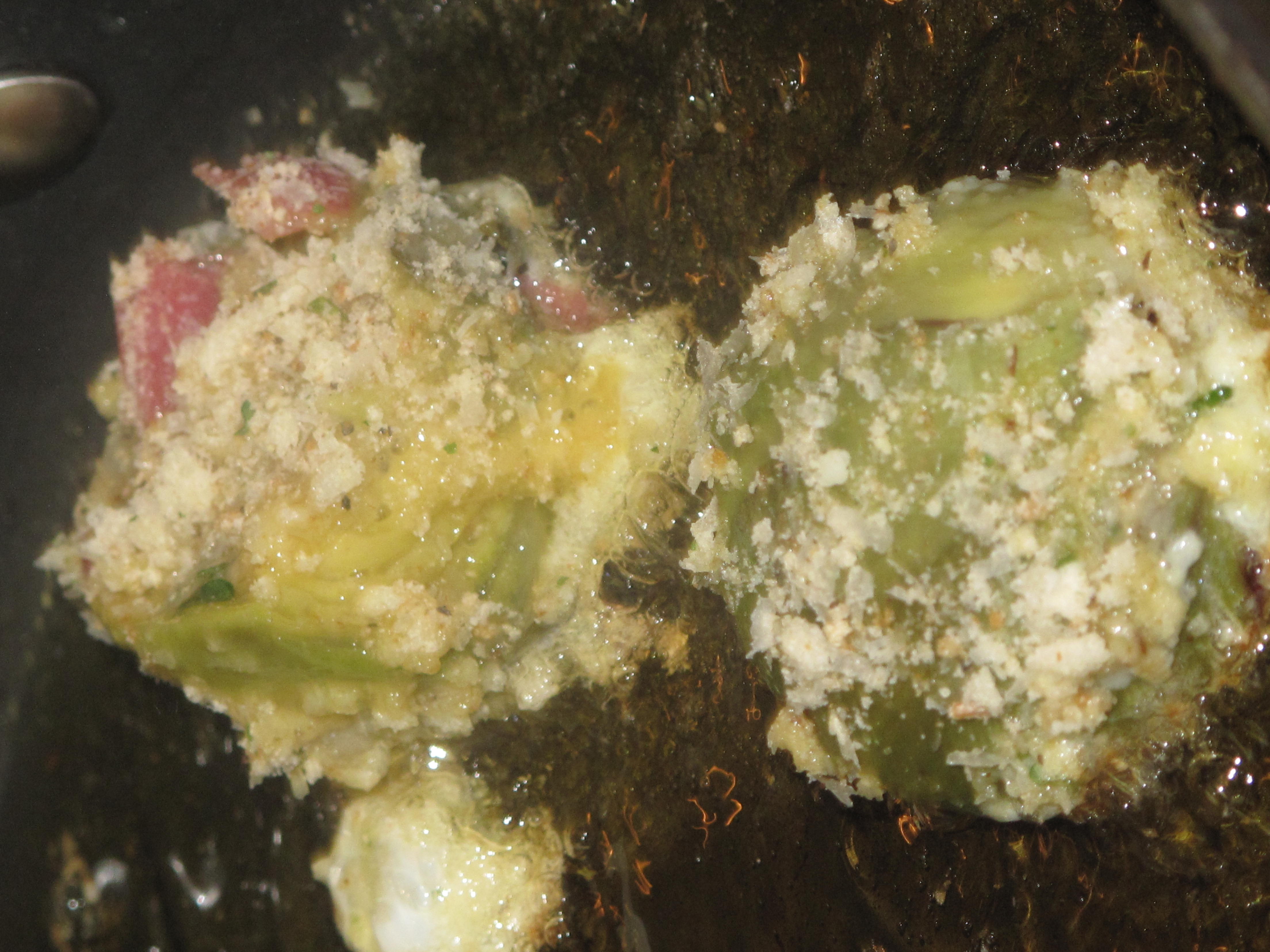
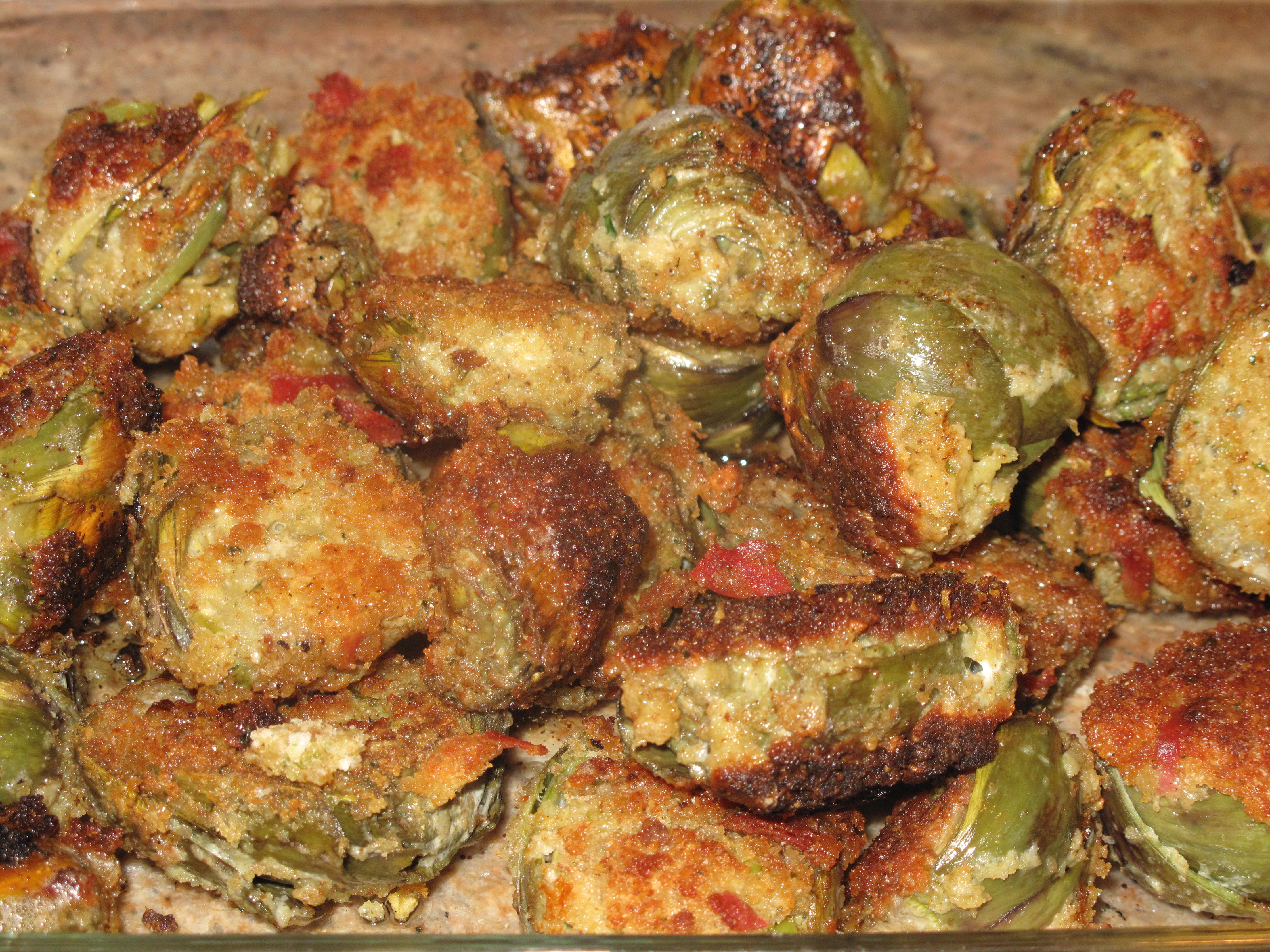
This is a pan full of baby artichokes.  Did you know that they sell regular artichokes and baby artichokes?  When the Brooklyn Italian Grandmother is in the house, she likes a dish that can start as an appetizer and then be carried to the table and continue as a side dish.  That’s why she likes fried baby artichokes.  The trick with this recipe is to get the smallest baby artichokes you can find.  The smallest usually are about the size of a golf ball or a little bigger.  If the baby artichokes are any larger than that, they will require a par boil to make them tender before frying.  Our baby artichokes looked big so we actually par boiled them in water for about 20 minutes before starting the recipe.  Once they had cooled, we took a very sharp knife and cut off the top and cut the stem off the bottom so that it could sit on its bottom without tipping over.  After that, we cut them right down the middle into two pieces.  For the breading, we used a mixture similar to what we made for the stuffing in our cubanelle stuffed pepper recipe.  So sit back and let’s start frying some baby artichokes with the Brooklyn Italian Grandmother.

Ingredients:

  • 15 baby artichokes, cut in half (remember, smaller is better for this recipe)
  • 5 cloves of garlic, chopped into small pieces
  • 1 1/4 cup of seasoned bread crumbs
  • 3/4 cup of grated parmesan cheese
  • 4 thin slices of Italian sopressata, chopped
  • 1 teaspoon salt
  • 1/2 teaspoon pepper
  • 3 eggs
  • 1/2 cup olive oil

Directions:

Mix garlic, bread crumbs, cheese, sopressata, salt and pepper in a bowl and combine well.  Break eggs into a separate bowl and mix with a fork.

Heat olive oil over medium heat until hot.  Coat artichoke halves in egg mixture and then in bread crumb mixture.

Place into heated olive oil and fry until breading is brown and artichoke is tender.  Continue to add more olive oil as needed.

When all of the artichokes are fried, sprinkle with more salt, pepper and cheese and serve warm.

The good thing about these artichokes is that, because they are small, there are less leaves to eat through until you get to the heart of the artichoke.  There is very little waste because the leaves are so small you can eat the entire thing.  Start with these as your appetizer and then move them in to munch along with your main course.  Just like the famous brand of chip…..you can’t eat just one of these fried baby artichokes.  Give them a try.  What are you cooking today in your kitchen?