Luna Moth Or Not – You Be The Judge

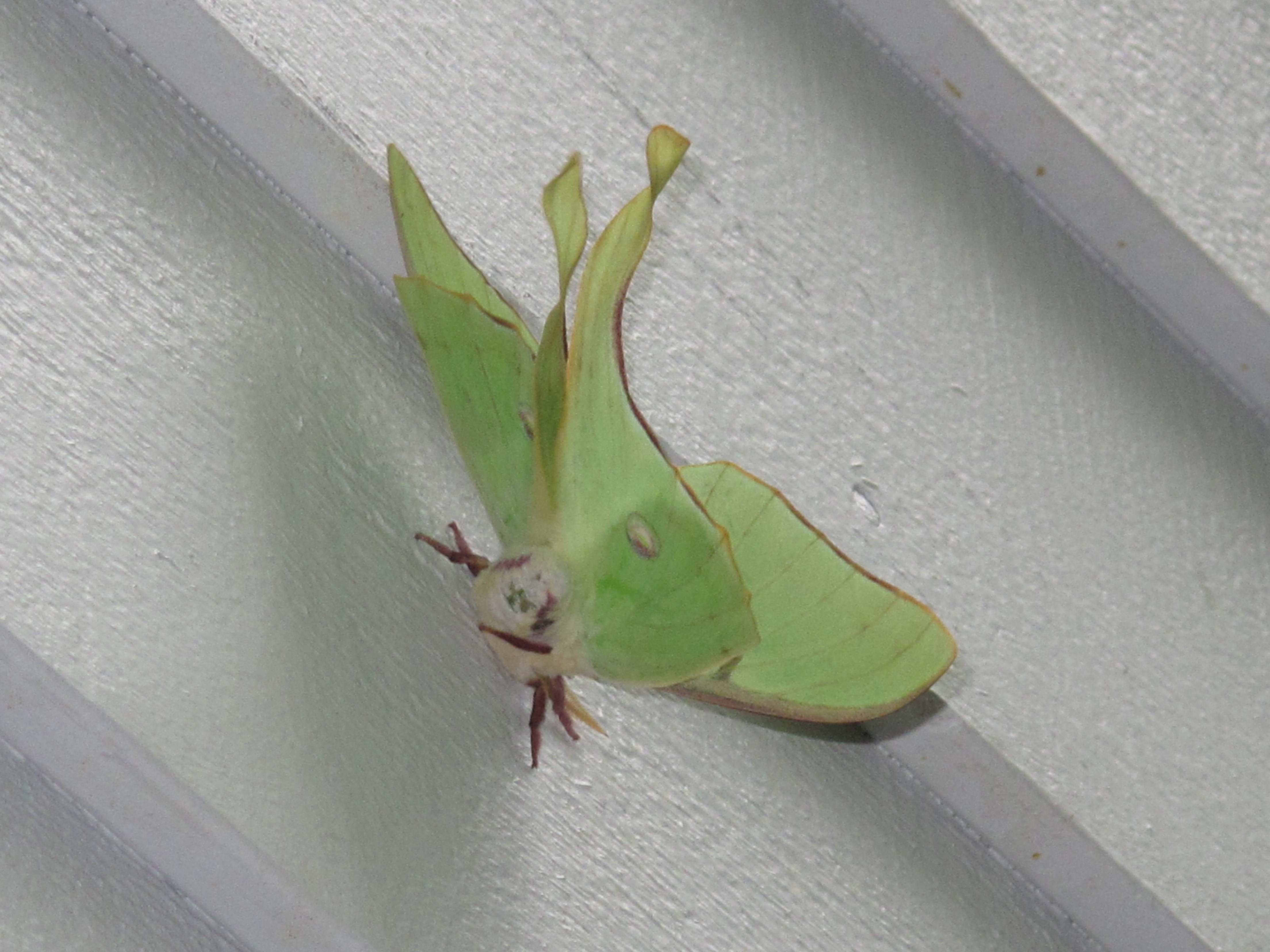
This is what we saw out of the upstairs window.  Stuck to a piece of the house facing North.  It appears to be a Luna Moth.  Does it look like a Luna Moth to you?  It was also one of those full circle moments as well.  First a little about luna moths.  Actias luna, commonly known as the Luna Moth, is a lime-green moth in the subfamily Saturniinae.  It has a wingspan of up to four and a half inches,  making it one of the largest moths in North America.
Based on the climate in which they live, the Luna Moths produce differing numbers of generations.  In Canada and northern regions, they can live up to 7 days and will produce only one generation per year. These reach adulthood from early June to early July.  In the northeastern United States around Connecticut, the moths produce two generations each year.  The first of these appear in April and May and the second group can be seen approximately nine to eleven weeks later.  In the southern United States, there can be as many as three generations.  These are spaced every eight to ten weeks beginning in March.

When my brother and I were little boys in Iowa, my parents used to take us camping every weekend.  We had a nice fold-down camper and used to rent a space at a place called Roberts Creek.  Lots of families in their campers meant lots of fun for us over the weekend.  There was boating, there were bonfires, there was fishing and then there were the Mason boys.  The Mason boys were older and obsessed with butterfly and moth collecting.  My brother and I helped them catch butterflies and moths so they could mount them in shadow boxes.  They had quite a collection.  To this day, I remember my parents letting us stay up late so that we could rub sugar water all over walnut trees and return the next morning hoping that the area would be infested by Luna Moths.  To our dismay, there wasn’t a Luna Moth in site, but I never forgot the Mason brothers stories and pictures of these magnificent moths.  In fact, their stories made the moths sound so big that we were a little afraid of what we might see if they had come that sugary and cold morning.  I never saw one then or ever…until today.  It’s taken 40 years for one to show itself to me.
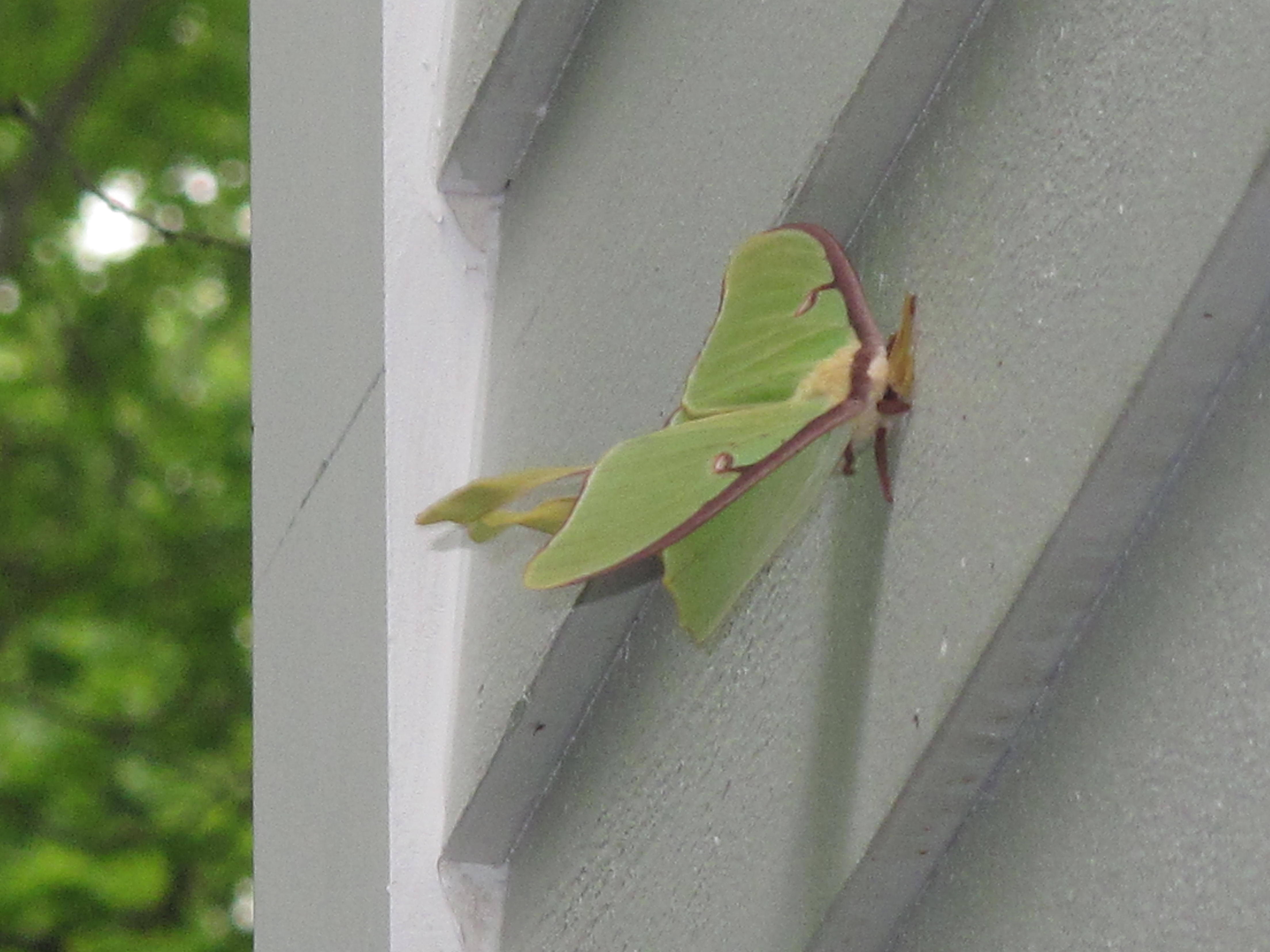
This is another example of when Nature does something that you never saw coming.  You have to really be in the moment to catch something so spectacular sitting on your house siding.  The Mason brothers would be proud.  I’m glad I can finally say I have seen such a magnificent moth.  Do you think this is a Luna Moth and, if not, what is it? 
Bird Thoughts By A Bird Brain


This is a sad fact…I am not a fan of birds.  Spring is the time to confess as birds seem to be everywhere now that the temperatures are warmer.  It’s not that I hate birds…it’s more the fact that they scare me to death.  This is not a new fear.  I have been scared to death of birds since I was a little boy.  If I can sit and watch them parade around by looking through a window, than I am fine.  If you remove the window and I see one, I go cold.  God forbid that a bird flies at or near me.  I involuntarily scream, sweat, run and have even been known to cry.  In fact, I remember my first bad experience with a bird. 

Mrs. Curtain lived behind one of our first houses in Iowa.  At the time we moved there, I was 3 and she had to be at least 83.  I have to be honest.  Women at 83 in those days did not look that great.  We say today that 60 is the new 40 for a woman.  That was not the case in the ’60s.  83 looked 83 or older.  Mrs. Curtain wore long dresses, had unkempt gray hair, wore black horn-rimmed glasses and not a stitch of makeup covered her face (not at 83 and probably ever).  To this day, here is how I remember her.  

However, the strange part is that I was attracted to her.  She didn’t scare me.  She was my friend.  Mrs Curtain was a widow, her children had moved away ages ago and she did what a woman of her age did in those days in a small farming town in Iowa.  She lived in a small house, tended to a large garden of flowers and vegetables and kept chickens in her fenced-in back yard.  Who came over every day to bother help her?  Yes, it was me.  I would watch her garden, watch her mow, watch her do laundry, watch her do most anything.  However, I was not allowed to help with the chickens.  She repeatedly told me that they were off-limits because I was too young to be around them inside their fence.  So I sort of obeyed her command.  That means that I would not go inside the fence but I would make sure that I found various ways to make the chickens crazy.  I would yell at them, throw rocks at them, poke them with sticks.  Anything to taunt them because they were off-limits to me.  One day, they had had enough.  A rooster broke loose and came at me.  There were claws, feathers, clucking, screaming and then the rooster laid a hard, sharp peck with its beak on my forehead before Mrs. Curtain came to the rescue.  I have never enjoyed a bird since that day.

I have done well in my life staying away from birds.  I’ve lived most of my life in the concrete jungle.  I have warned friends with free flying birds in their homes to lock them up or risk harm to them (I wouldn’t kill a bird, but if a parrot flew at me, I’m not sure what I would do in my panic).  Any event that I am at where there are also birds means that I either leave or sit in a secure, inside area.  All this changed when I moved to Glen Road.  Here in the country, birds are everywhere.  They literally are your neighbors.  I can tell you who lives in what nest.  I can tell you which birds are meaner than others.  I have even been able to shyly look at a few birds without running (remember the cardinals).  However, I would like to give them a few pieces of advice so that I can expand my love even further.

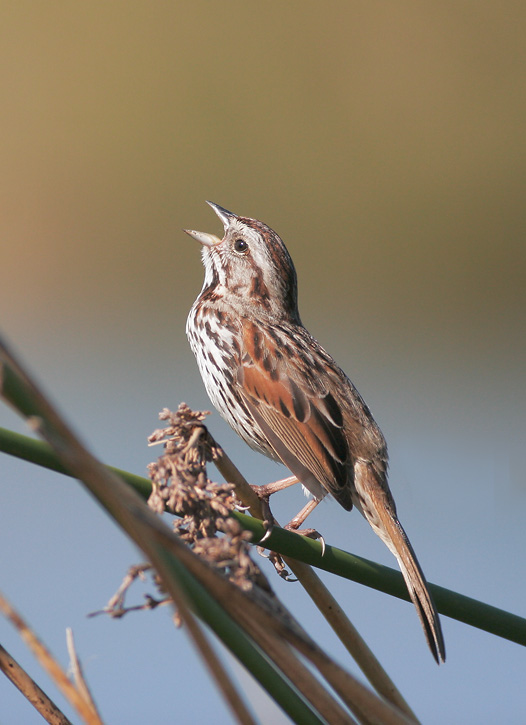
  • Do not begin to sing until 10:30 AM and cease your songs at 8 PM.  Oh, and all birds must sing the same song….just in different harmonies so they can distinguish themselves between species.  Cardinals can be like the sopranos, blue jays the baritones and sparrows the altos.  You see, at 5:30 AM, your loud and non-coordinated singing is just annoying.  You wake me up and it is not a pretty sound.  Get an alarm clock and a chorale director and let me sleep.

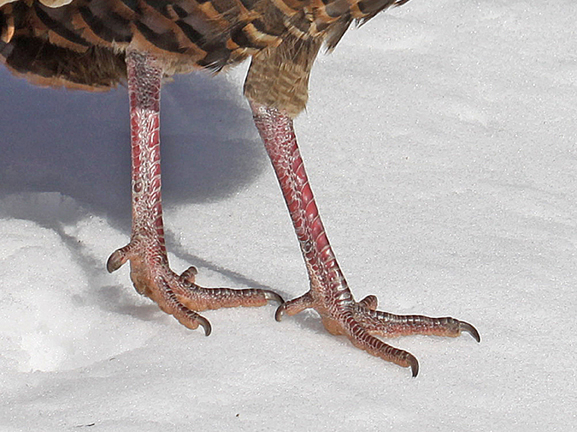
  • Get a pair of sensible shoes.  Your claws are sickening.  There isn’t a pedicure invented that will make your claws look better, so cover them up.  If you can find stockings, buy them and put them on as well.  There is just something about seeing a bird claw that makes me shudder.  Is it the scaly part?  The long toenails?  The way it moves?  Whatever it is, cover them up and don’t show them.  Admit they’re ugly and you are embarrassed by them and put some shoes and socks on them.  You’ll be a step ahead.

  • Install a toilet in your nests.  I don’t want to see it, clean it or worry about it.  More than this, I don’t want to feel it on me…EVER.  Get some class and install a little toilet to do your business.  You’ll get more dates.  Enough said on this one.

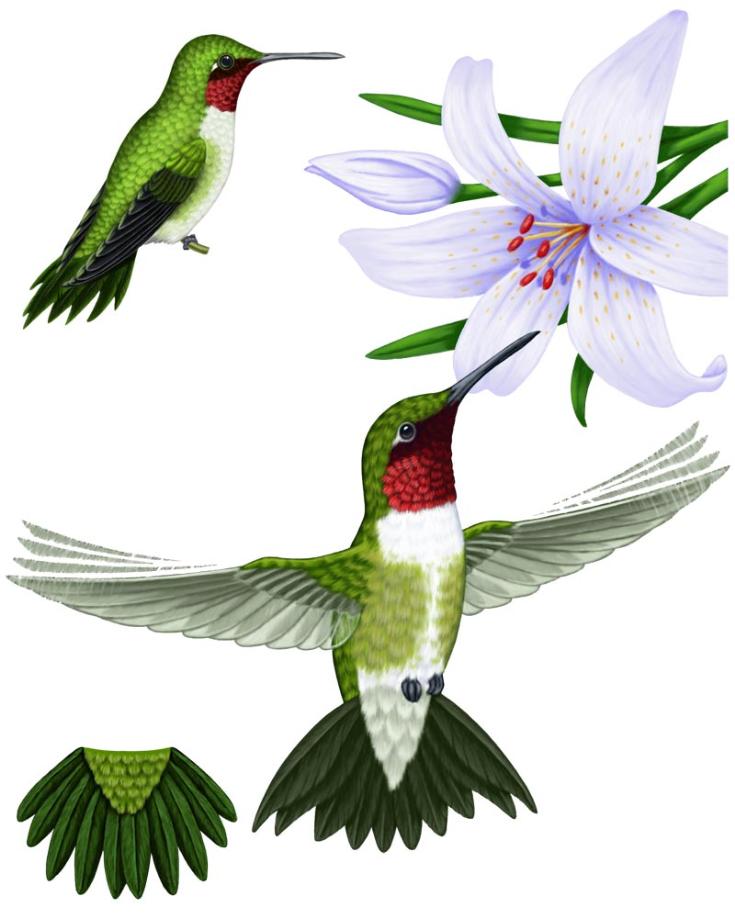
I’ll try to like birds better this year.  I’m taking little steps though.  I would like a hummingbird to come live on Glen Road.  That’s a good step forward, right?  Honestly, I am scared about the long beak thing.  Has anyone ever heard of someone losing an eye because they got too close to a hummingbird?

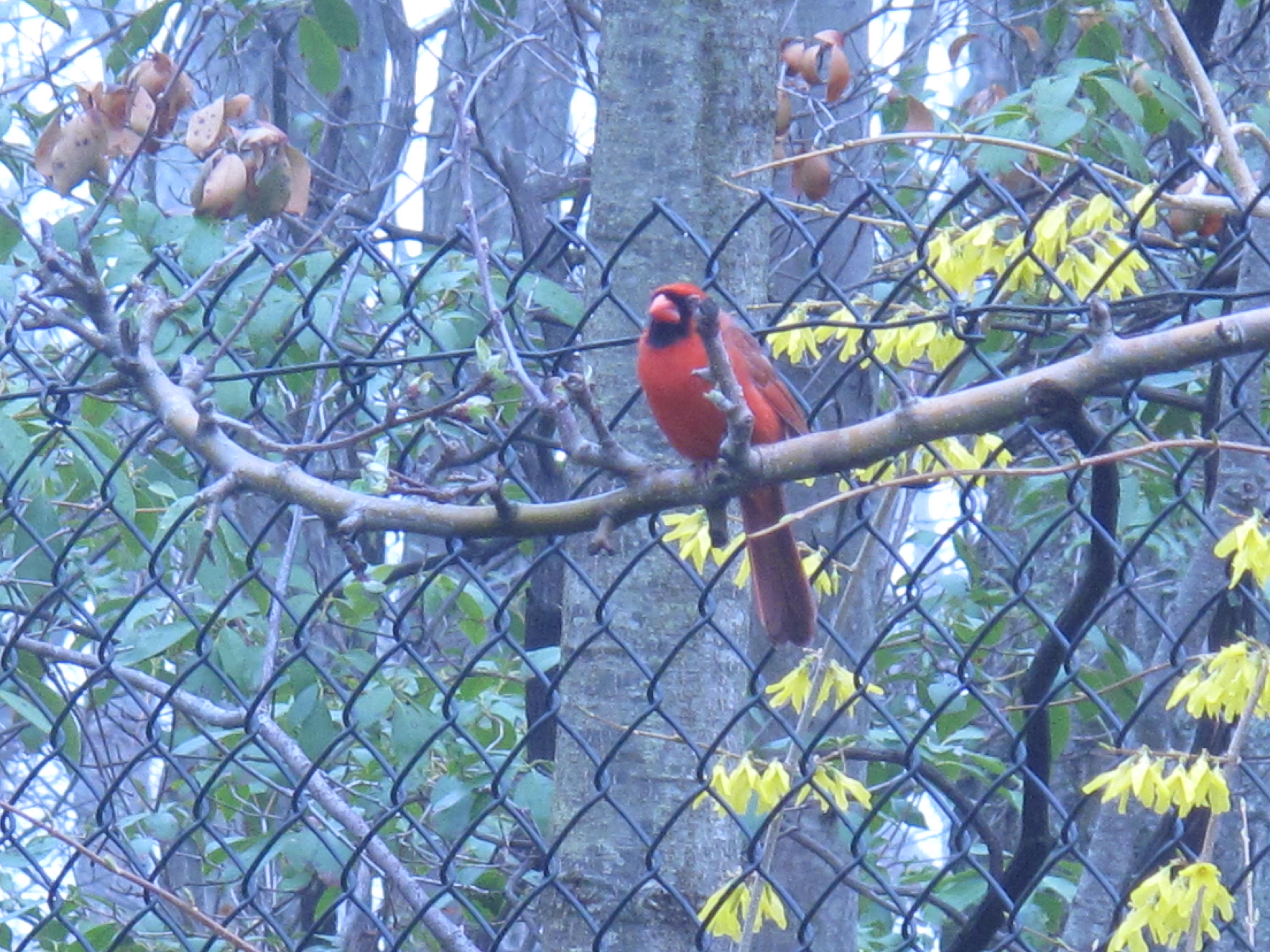
Cardinal Love Is A Battlefield

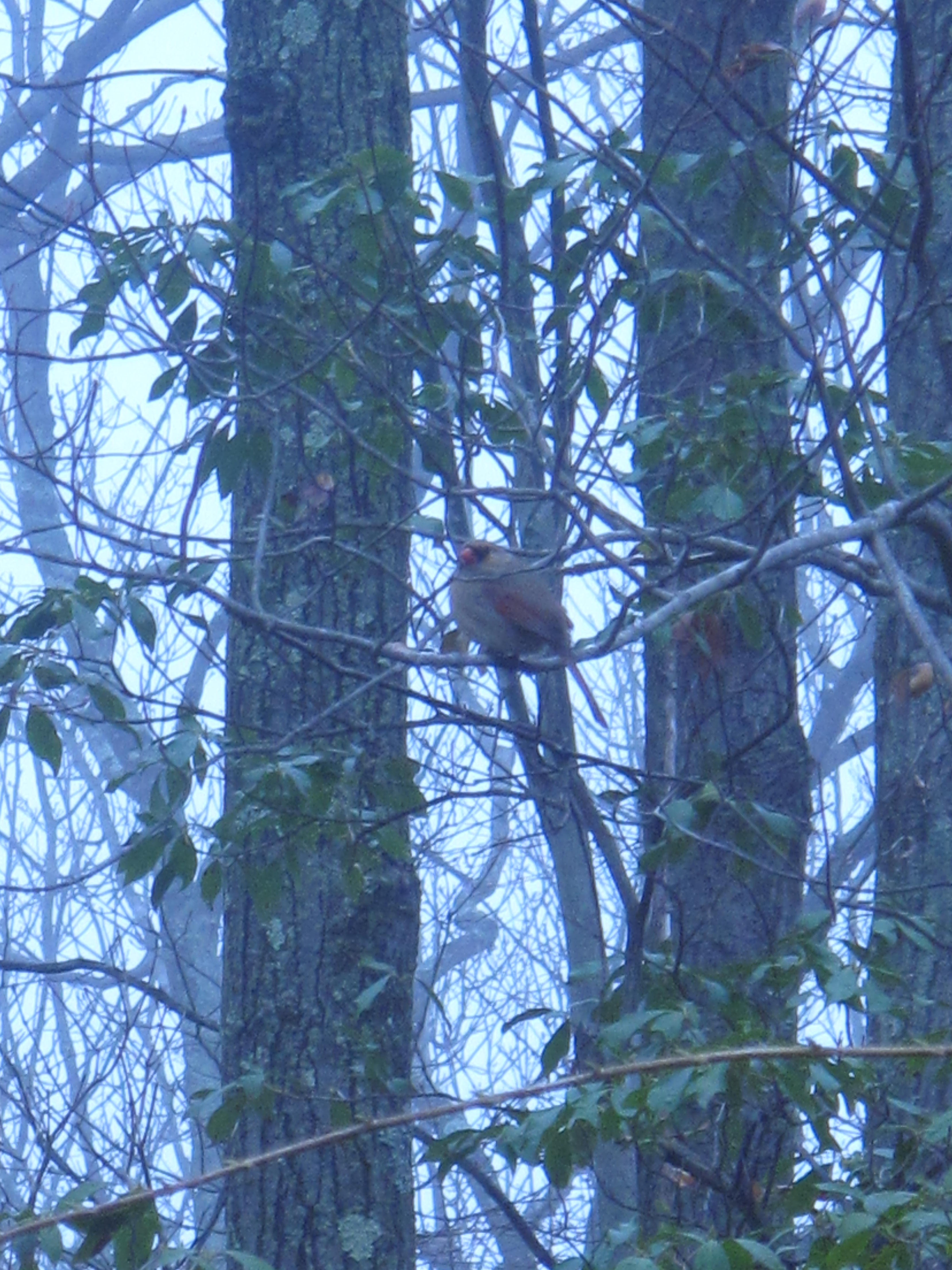
This is how we woke up this morning.  Through closed windows and with light rain falling, we woke up to the sound of super loud bird noises.  First, it was loud beautiful singing.  Next, shrill one-note warbles.  Then back to loud beautiful singing.  Where we live, you never know what you are going to find when you pull back the curtains to take a peek.  Today it was the sight of two male Cardinals fighting for the love of one female.  I thought the fight looked pretty intense so I crept outside to take some pictures.  I’m sure the Cardinals were also quite amazed at the sight of me running around in the rain in a t-shirt, pajama bottoms and no shoes trying to capture some pictures of their Spring love ritual.  This ritual consisted of the female enjoying front row seats and sitting there watching the mayhem.  All morning, one male would fly at the second male.  There would be an in-air or on-branch fight consisting of a flurry of wings and loud warbles.  Then one or the other male would fly off a few hundred feet away and rest and plot the next attack.  First, meet the female.  The object of their affection:

Here is the first male.  Notice how he is a little larger than the other male.  This helped him because, if I was the fight judge, this guy would have won.

Here’s the second male.  Slightly smaller, but he sure is scrappy.

As we left for work this morning, the fight was still raging.  I started to wonder what would happen to the loser.  Does he finish the summer a bachelor or does he go and find another female to marry?  While I think the larger male will win the love of the female, there was also a little piece of me that was rooting for the smaller guy.  I’ve always had a soft spot for an underdog.  While we don’t know the ultimate winner yet, I did find some interesting reading on Cardinal mating on the internet. 

Here is a piece from http://www.birdhouses101.com:

The early spring is the mating season for Cardinals.  These songbirds are known as “socially monogamous” but there are times when they copulate with the others.  There was even one study which found that nine to 35 percent of Cardinal nestlings came from extra-pair copulations.

The mating season begins with pair formation that includes different physical displays of cardinals.  The males show off to attract a female.  They also do the courtship and mate feeding.  Females choose their mates based on the male’s ornamentation such as the size of his black face mask as well as the color of his plumage and bill.  Studies have found that the ornaments of male and female Cardinals provide information on the bird’s condition.  For instance, females with a big face mask shows that they are good defenders of nests but for males, this means that they are not highly successful in reproduction.

Mate feeding occurs when the male Cardinal picks up a seed, hops near the female and the two touch beaks so the female can take the food.  Mate feeding will go on until the female lays eggs and incubates them.  Normally, pairs of Cardinals stay together throughout the year and may breed for several seasons.  This bird lives an average of one year although there have been records of longer life spans.

Did you know that Cardinals sing their best during the love season?  They sing with great emphasis as evident in the swelling of their throat, spreading of their tail, drooping of wings and leaning from side to side as if performing on stage with much gusto.  They repeat these melodies over and over again resting only for a short time to breathe.

This slideshow requires JavaScript.

Who knew we would use words like ‘copulate’ and ‘extra-pair copulation’ here on Acorns On Glen?  All in all, the Cardinal love story was and probably will keep being a great show here on Glen Road.  Nature always proves to be a great theatre if you pay attention to it.  I’m glad we have Cardinals in our backyard and that we took the time to notice them.  What other strange Spring mating rituals are going on in your neck of the woods?