A Plant I Like

Most people who have seen my garden this season have asked me what the giant thistle is.  Believe it or not, the plant is a giant thistle better known as a globe artichoke.  Each year, I try to plant one or two things that I have never grown before.  In the past, this has included kholrabi, fennel and broccoli raab.  After the Notorious B. I. G. (Brooklyn Italian Grandmother) made fried artichokes for us, I decided that the artichoke was going to be in my garden for the first time this season.

The globe artichoke (Cynara cardunculus var. scolymus) is a perennial thistle of the genus Cynara originating in Southern Europe around the Mediterranean. It grows tall, with arching, deeply lobed, silvery-green leaves 10–20 inches long.  The flowers develop in a large head from an edible bud about 3–5 inches in diameter with numerous triangular scales.  The individual florets are purple.  The edible portion of the buds consists primarily of the fleshy lower portions and the base, known as the “heart”; the mass of immature florets in the center of the bud is called the “choke” or beard.  These are inedible in older larger flowers.
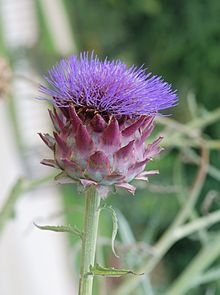
I grew my plants from seeds under the grow light in the basement.  The seeds are a variety known as Imperial Star.  Specifically bred for annual production, Imperial Star produces artichokes the first season from seed.  Typically 6-8 mature buds, averaging 3-4 inches in diameter, are grown per plant.  Imperial Star plants grow 3-4 feet tall.

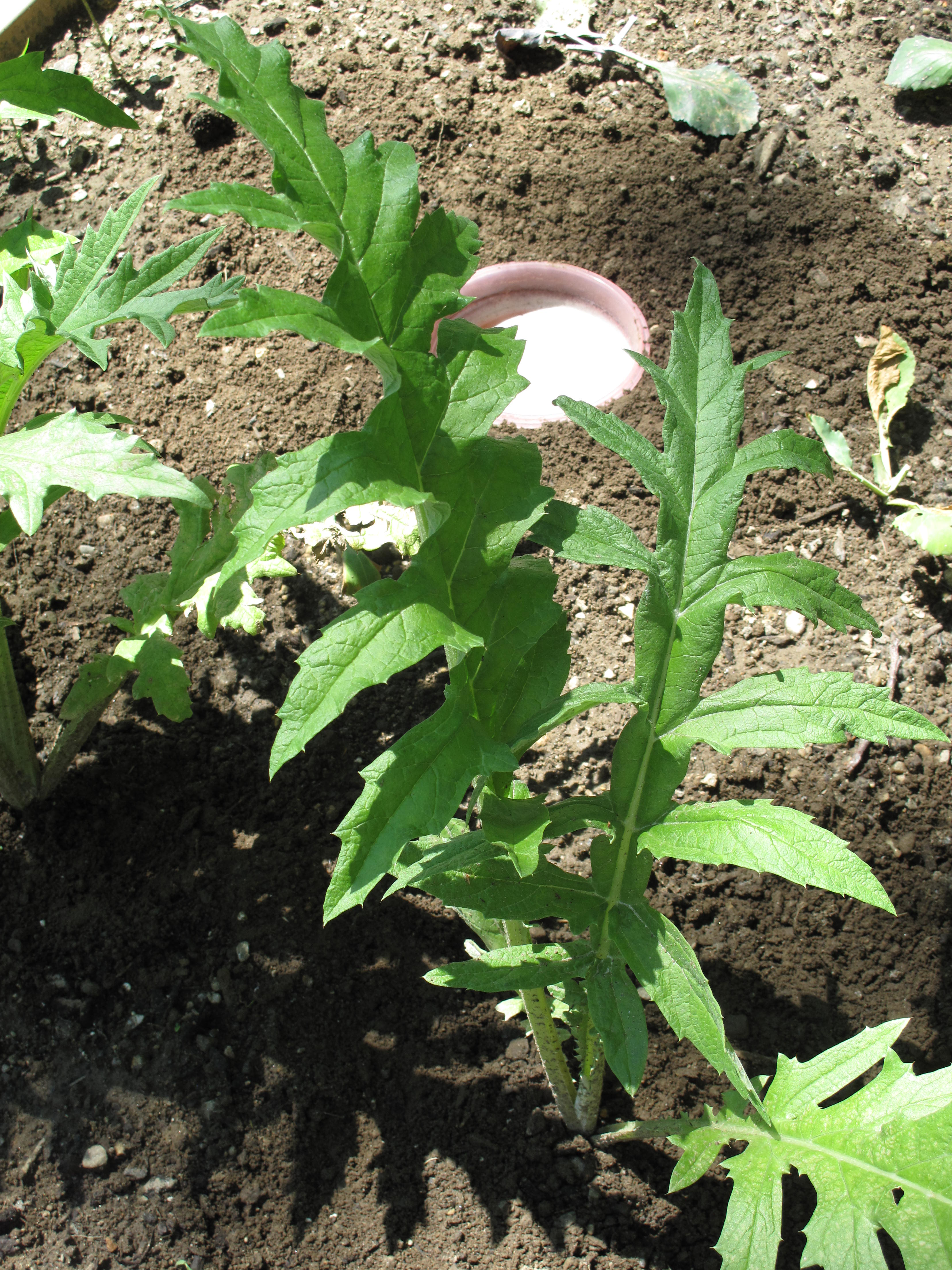
My artichoke plants in the garden have really flourished.  They seem to grow every hot and humid day that we have.  So far, they have required little, if any, special attention.  The next phase should be the flowering of the plants and then the formation of the artichoke that we know and can eat.  I’ll keep you posted on our fun new find as the plants continue to mature during this gardening season.

P. S. –  for those of you who read the cabbage murder mystery post, notice my sad cabbage plants in the back of this picture.  As well, notice the bowl of beer or as we call it in my garden, the slug’s swimming pool.  Not looking good for some home-grown cabbage this year!!
What’s Blooming – Another Virtual Garden Tour

This is one of my begonias that opened up a number of fiery hot blooms this week.  This begonia, ‘Bonfire,’ is a variety of tuberous B. boliviensis.  It wasn’t the only fiery hot thing going one here at Glen Road this week.  The weather actually decided to push up to 100 degrees for several days this week meaning lots of watering to keep the garden supple.  Come with me to see what else was braving the heat and blooming full and lush this week.  Besides begonia ‘Bonfire’, here’s what else was out there in full glory:

So tell me, what’s blooming in your neck of the woods?

First Casualty In The Garden…A Murder Mystery

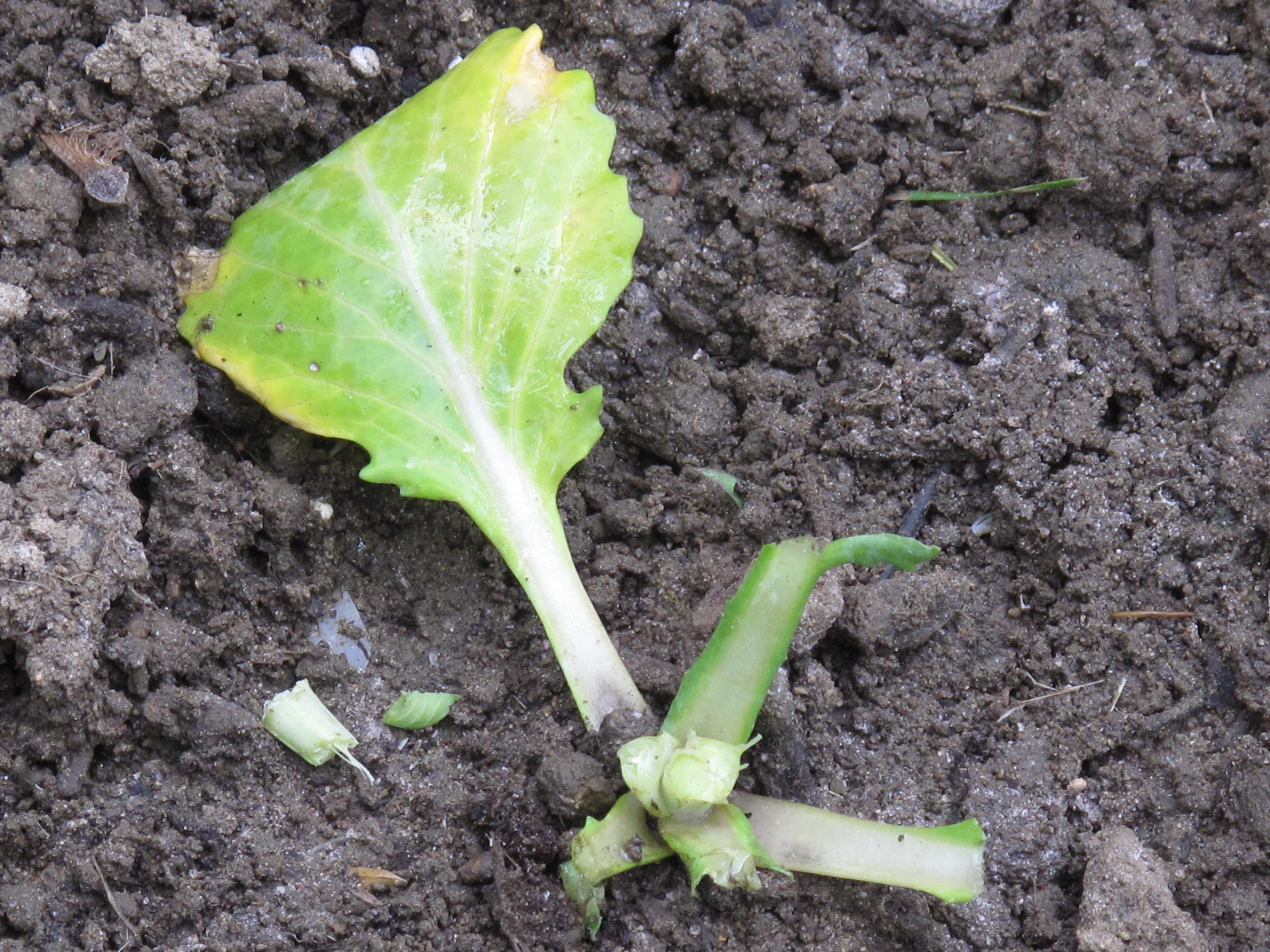
It happens every year.  You plant your garden and know deep down inside of you that there will be some sort of problem that happens before you even harvest your first vegetable.  You get yourself ready for the disappointment.  You think about what will be the type of bug that wipes something out.  If it is not a bug, maybe some sort of critter.  You look at all of your plantings and try to figure out which one will be affected.  You vow to do your best to combat whatever it is that is hurting your garden.  Then it happens.  This year, I’m calling the problem “The Case Of The Murdered Cabbages”.  I swear to you that three hours after planting my cabbage plants, I returned to the garden to find the little plants munched down to almost nothing by some sort of villain.  The problem is that I just couldn’t figure out who the culprit was.

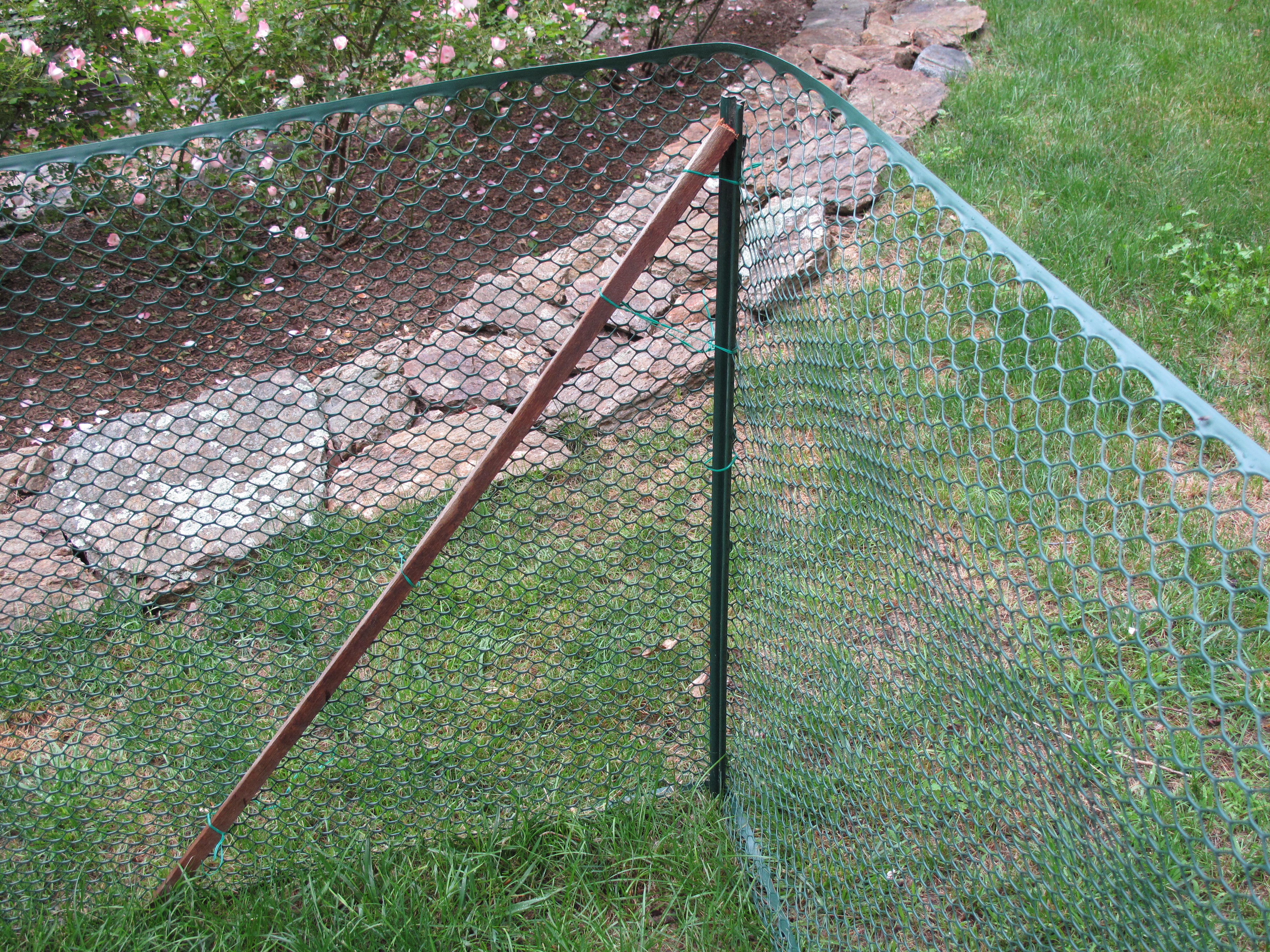
What would do this so quickly and thoroughly?  While I was digging some cabbages up and replacing them with new plants and trimming the little arms of others, it dawned on me.  It was a woodchuck.  Why you ask?  Well, the Notorious B. I. G. (Brooklyn Italian Grandmother) had mentioned that she saw a furry animal running around the back yard a couple of times during the week.  Since raccoons only come out at night, I just knew it was a woodchuck she had seen and the same critter ate my baby cabbages.  Remember, the fence around the back yard keeps the deer out, so my only logical solution had to be that a woodchuck had squeezed under the fence and ate my cabbages.  Always having a flair for the dramatic, I quickly put a two-step plan of action in motion.  First, I would put a small fence around my new raised beds.  Yes, it is a fence within a fence.  I quickly worked to build a small green plastic fence around my two new raised beds and then the new secured garden would have the deer fence around it as well for added protection.  Second, I would call a local hunter that I knew from the area and have him lay a couple of humane traps.  The traps would catch the critter and then we could transport it to a far away wooded area where it could eat dead leaves and weeds.  That’s what a woodchuck eats for dinner…not baby cabbage plants.  The fence was installed….the traps were laid……all was good in cabbage land.

Then it happened again!  Nearly a week later.  When I saw the little nibbled purple cabbage plants, I got weak in my knees.  How could this happen again?  After spending $200 on my make-shift fence and trapping a raccoon, a squirrel and some other type of critter that my friend told me I didn’t want to know about, the cabbage murderer was still stalking the premises.  I felt violated.  I felt angry.  I wanted revenge.

It was off to the nursery for some more cabbage plants.  I had run out of the ones that I grew from seeds under my grow light.  At the nursery, I told my murder mystery story to anyone who would listen.  One of the nursery employees told me that it sounded like a slug infestation.  Slugs?  Those little snail-like creatures without a shell?  Could they do this much damage?  Can they eat this much?  I left with some new cabbage plants and some Sluggo, an organic pellet that kills slugs dead.  I also put out two bowls filled with beer.  Slugs like their booze.  When they reach for the beer, they fall into the suds and then that’s it for them.  They drown, but drown drunk, which is probably the best way to go in my opinion.  So far the Sluggo and beer seem to be working.  My cabbages seem to be growing.

I’ll keep you posted.  Also, if you see the displaced raccoon, squirrel and the unnamed creature that I had transported to another wooded area, let them know I am sorry and I will pick them up and bring them back to Glen Road on Saturday afternoon.  As well, let me know if you have any ideas (other than a slug) on what is eating my cabbage.  Help me solve “The Case Of The Murdered Cabbages”.

Oh Deer!

It happens every year.  When you least expect it, a deer helps itself to a big serving of our garden.  Most of the time, they do it right before you planned to do some “anti-deer” work to prevent the damage.  When I decided a few Sundays ago that it was going to be the day to spray deer repellant on the plants in our front yard, it shouldn’t have surprised me that the night before, our local deer made a date to eat a few things in the area to be sprayed.  Just to remind me that they exist, just to remind me that they are smart.  Just to remind me that they have planted a bug inside our house…..it was if they were in the room when I announced my deer repellent plans a few weeks back.

The good news is that the deer in our area only have a couple of small gardens that they can get to on our property.  These gardens are in the front of the house.  The majority of our gardens are in the back of the house where we had a six-foot metal deer fence installed to keep them out.  The black metal fence snakes through the woods and seems invisible when all of the plants and trees are fully fleshed out during Spring, Summer and most of the Fall.  People tell us that a deer could jump our six-foot fence, but please don’t tell them that because they have never attempted it.  The fence allows us to plant a large amount of plants outside and not have to worry about damage from grazing deer.  The battle against the deer is only in the front of the property.  The front yard is the battle field.

Here’s the only rub when deer graze in the front yard.  Everything planted in the front yard was labeled “deer resistant” at the point of purchase.  The front gardens contain such deer downers as peony, bleeding hearts, boxwood, monarda and echinacea.  Plants that just don’t taste good to a deer…or so I thought.  I quickly realized that there aren’t any plants that are truly deer resistant.  These plants (like the Monarda that got eaten in the above pictures) are really just ones that deer don’t care for as part of a regular well-balanced deer meal, but if they are hungry enough, they will eat them.  So we do our best to keep our front gardens protected.  We continue to spray deer repellent a few times a month (it really works well) and, when the deer take time to have dinner in our garden, we do our best to trim the damage and hope that what they ate left a bad taste in their mouths.  A bad enough taste to stay away…..but it never is.

What’s Blooming – Our First Virtual Garden Tour of 2012

If you garden much, you become very familiar with transitions.  Moving from one phase to another is a pretty common occurrence when you are dealing with soil, seeds, plants, sun and rain.  My flower gardens are ending a big transition right now.  The fury of Spring blooming is coming to an end and we are now entering the Summer period when bloomers tend to act much more slowly, but the beauty seems to be worth the wait.  Take a little look at what’s happening in the gardens right now (you can click on any picture to start a slide show).

You Reap What You Sow, So Here’s What I Sowed

First planted seed of 2012 in my garden – it’s a green bean seed.

Deciding what to plant in my two new raised garden beds should have been a lot easier than it actually was.  Given my space restrictions, it is important for me to answer a few questions on what I am going to grow and not grow each planting season.  First, I always ask:

What types of vegetables do I like to eat?

Now comes the second question:

Of these vegetables, which ones can I plant knowing they will give me a fair return?  I do not want to plant something that only produces two or three items in a season.  I want volume from the plants I grow in my garden.

Finally, I ask myself:

Is there anything exotic out there to grow that I would like to tackle this season?  This year the answer was artichokes.

A lone beet seed.

So here is what made it into my two new raised beds this year.  As was the case last year, the majority of these seeds were purchased from Johnny’s Selected Seeds and are organic and not genetically modified.  I also tried a new seed supplier this year, Fedco Seeds, and the seeds are also organic and not genetically modified.  Interestingly enough, both companies are in Waterville, Maine.  Here’s what made it:

  • Purple Top White Globe Turnips
  • Blue Lake Green Beans – Bush
  • Specialty Spring Broccoli Raab**
  • Mayfair Shell Peas – this is my first year planting shell peas.  I am going to have them grow up a piece of livestock paneling that I bought at a local farm implement store.
  • Three Root Grex Beet – multi-colored beets all in one seed packet.
  • Early Green Tendersweet Cabbage**
  • Imperial Star Globe Artichokes** – my experiment this year.  Already, the two artichoke plants seem to be the most hearty in the garden.
  • Italian Traviata Eggplant**
  • Olympus Green Peppers**
  • Celebrity Red Short Vine Tomato**
  • Green Zebra Tall Vine Tomato**
  • Mariana Tomato** – supposed to provide a superior tomato for sauce and salsa.

** = seeds were planted early Spring and grown into plants under my grow light.

I am glad to say that all of the seeds and plants are in the ground and just need to grow.  As well, I appreciated the fact that my two new beds are built so I can go on all sides of the two rectangles with ease.  My old garden didn’t allow for easy access to all sides of the beds.  Here’s hoping for a strong growing season this year!  How is your garden growing so far this season?

All lined up and ready to grow. Two more green bean seeds placed in my garden.

A Garden With Sun…Such A Novel Idea

I’m very proud of my new piles of dirt.  Actually, this is one of two new raised bed garden plots that I’m using this season to grow vegetables.  I think it is hard to garden here in Connecticut.  Much harder than what I remember when I used to garden with my family in Iowa.  I have fought hard against all the various critter attacks on my garden, the soil filled with rocks of all sizes and shapes and the long periods of rain followed by long periods of heat.  What I wasn’t prepared for was when I discovered the raised beds I had constructed last year didn’t seem to get enough sun.  When everything just stopped growing when the trees took on all of their leaves, I knew I was in trouble.  I thought I should give up gardening.  However, I realized that even without much produce from my own garden, the whole process was a valued hobby and I enjoyed my time in the yard and in the garden.  It was time to build some more raised beds, but this time I needed to find a spot with sun.  A novel idea if I say so myself!  A garden?  With sun?  Who would have figured!

The two new raised beds are right in the back yard protected inside the 6 foot deer fence that surrounds the property.  The spot is not as optimal as the old garden site, but there is no doubt that it receives very long periods of direct sunlight.  The sun shines for hours and hours on the spots.  So it is time for the planting to begin.  Every year I’m surprised what happens along the gardening journey.  I’m sure there will be plenty of surprises this year as well…..realizing that the garden doesn’t get enough sun should not be one of them.  Let’s keep our fingers crossed.

Day 5 Without Electricity – Mother Nature Gets The Last Laugh

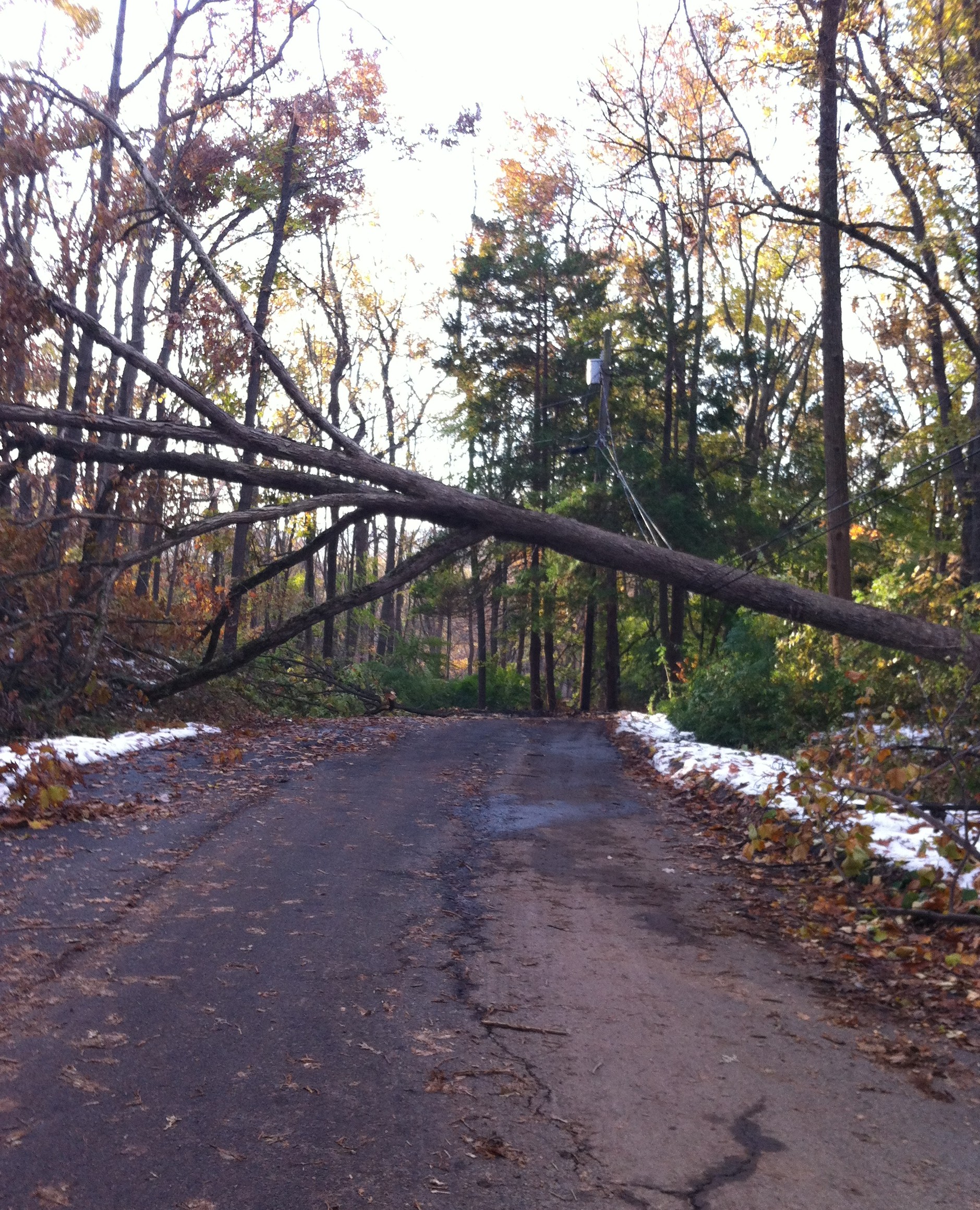
This is the reason we have no electricity.  About a hundred feet from our house, this tree balances on the power lines that should be supplying the homes in our neighborhood with electricity.  It has been balancing like this for five days since the big snowstorm on October 29.  No heat, no TV, no refrigerator or freezer, no internet, no Acorns On Glen….just quiet and cold and then complete darkness when night falls.  I have gone on the internet at work and see that the power company expects restoration for our home by 11 PM on Sunday, November 6th.  What!!

Our yard has also fared poorly with the snowstorm.  There are several large branches that have fallen.  The heavy snow and the leaves still on the trees were just too much for many of the town’s trees to bear.  You see ripped-off branches of all sizes at our house and throughout the town.  Smaller-sized garden plants, trees and bushes have really taken a beating.  We have a Japanese maple where the top just snapped off.  Most bushes seem to have their center limbs all broken off and laying on the ground.  Many plants just seem to have been beaten into the ground.  It may be too soon to assess the damage.  Some may come back with some growth and some will never come back.  It’s sure been a wild week.  Have you ever lost power and enjoyed a bath using water heated up in a pan on the grill?

“Fall”ing For Pumpkins And Gourds

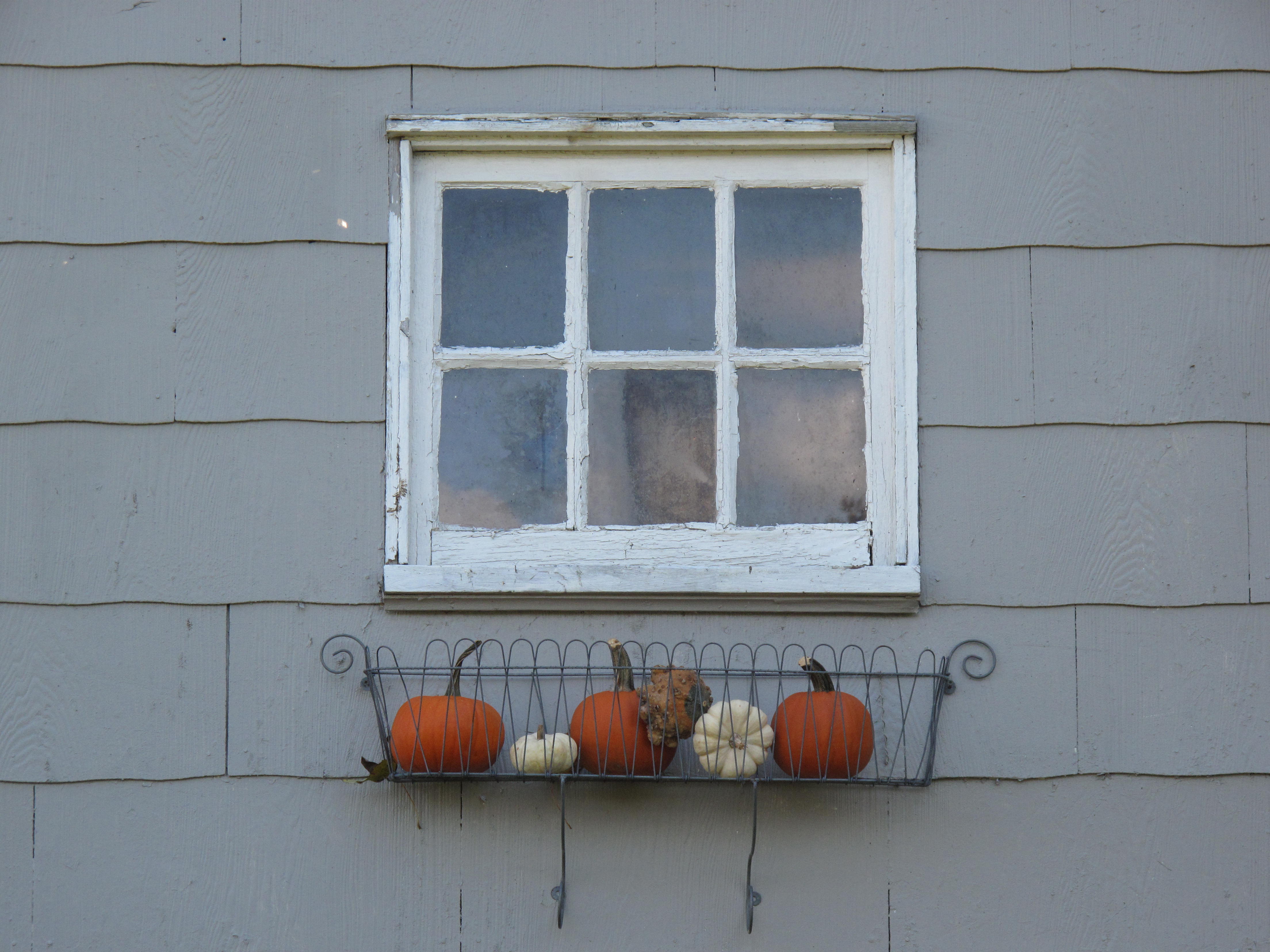
This is the easiest (and prettiest) way to know that Fall is here.  It’s the appearance of pumpkins and gourds almost everywhere you look.  From pumpkin patches, to pumpkin and gourd decorations on doorsteps of homes across the state and even in the aisles of our local supermarket, seeing pumpkins and gourds is one of my favorite Fall reminders.

I’m always amazed at the colors that pumpkins and gourds come in at the patches we go to find and buy them.  There are the traditional orange pumpkins and green gourds, but there are also ones in ivory, yellow and variegated to name a few.  The odder the color, the more I like it!  Are you seeing pumpkins and gourds everywhere you look in your community?

A Picture Is Worth A Thousand Words – Twisted Sister

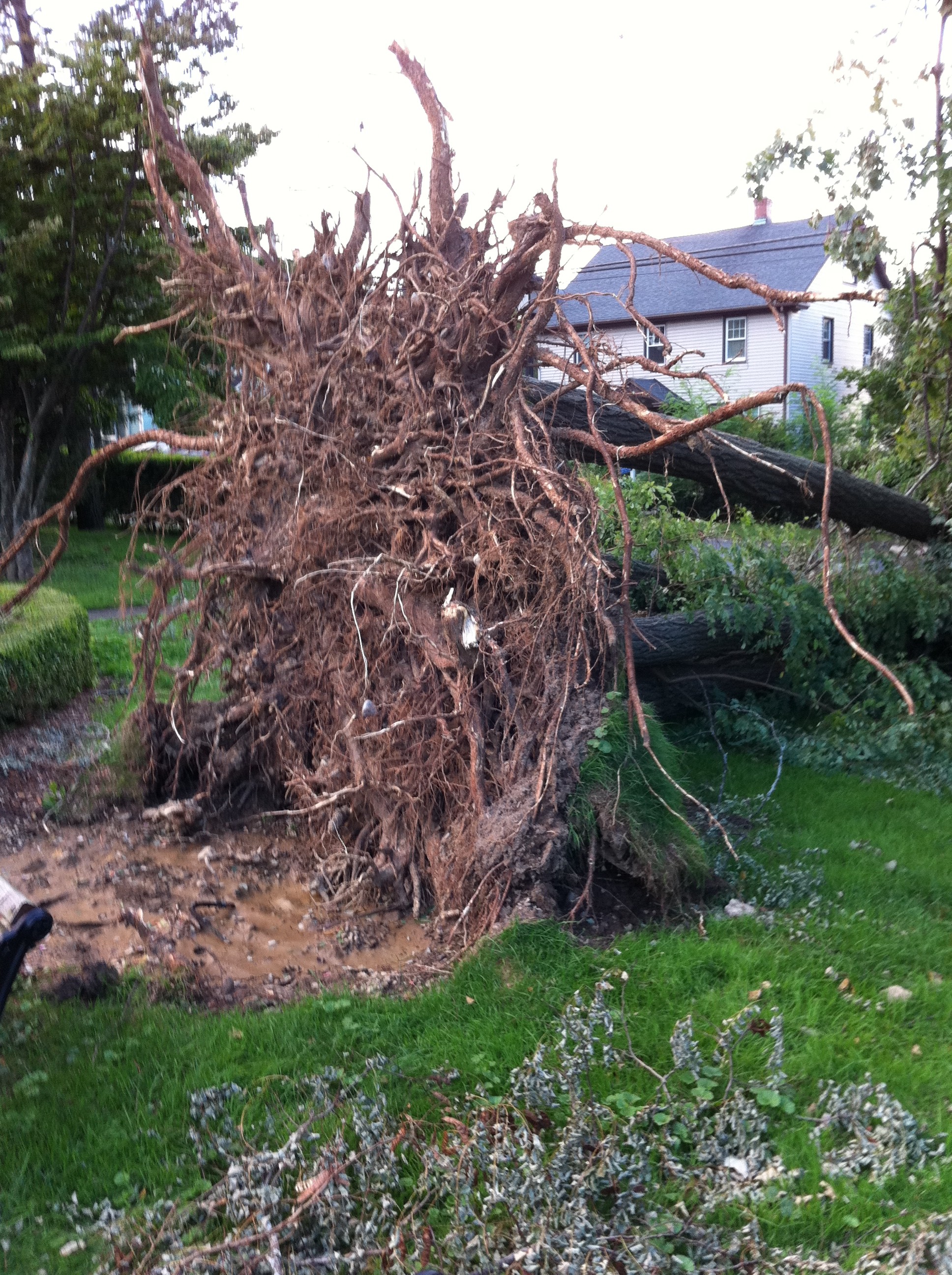
This is a tangled and twisted reminder that all of the clean up work from Hurricane Irene is not completed yet here in Connecticut.  This tree looks like it was pulled like a weed out of the garden….roots and all….and then tossed aside to wilt and die.  Maybe this is Medusa’s head with snakes growing from all sides?  Little by little, trees like this are getting cleared away in our community.  In time, the effects of the hurricane will be just a distant memory.  What does this mass of tree roots look like to you?