This is a little slice of our pool. The photo was taken by a friend of ours. On a hot day like this, a little dip in the pool is just the thing to cool off. What do you do to beat the heat?

This is a little slice of our pool. The photo was taken by a friend of ours. On a hot day like this, a little dip in the pool is just the thing to cool off. What do you do to beat the heat?
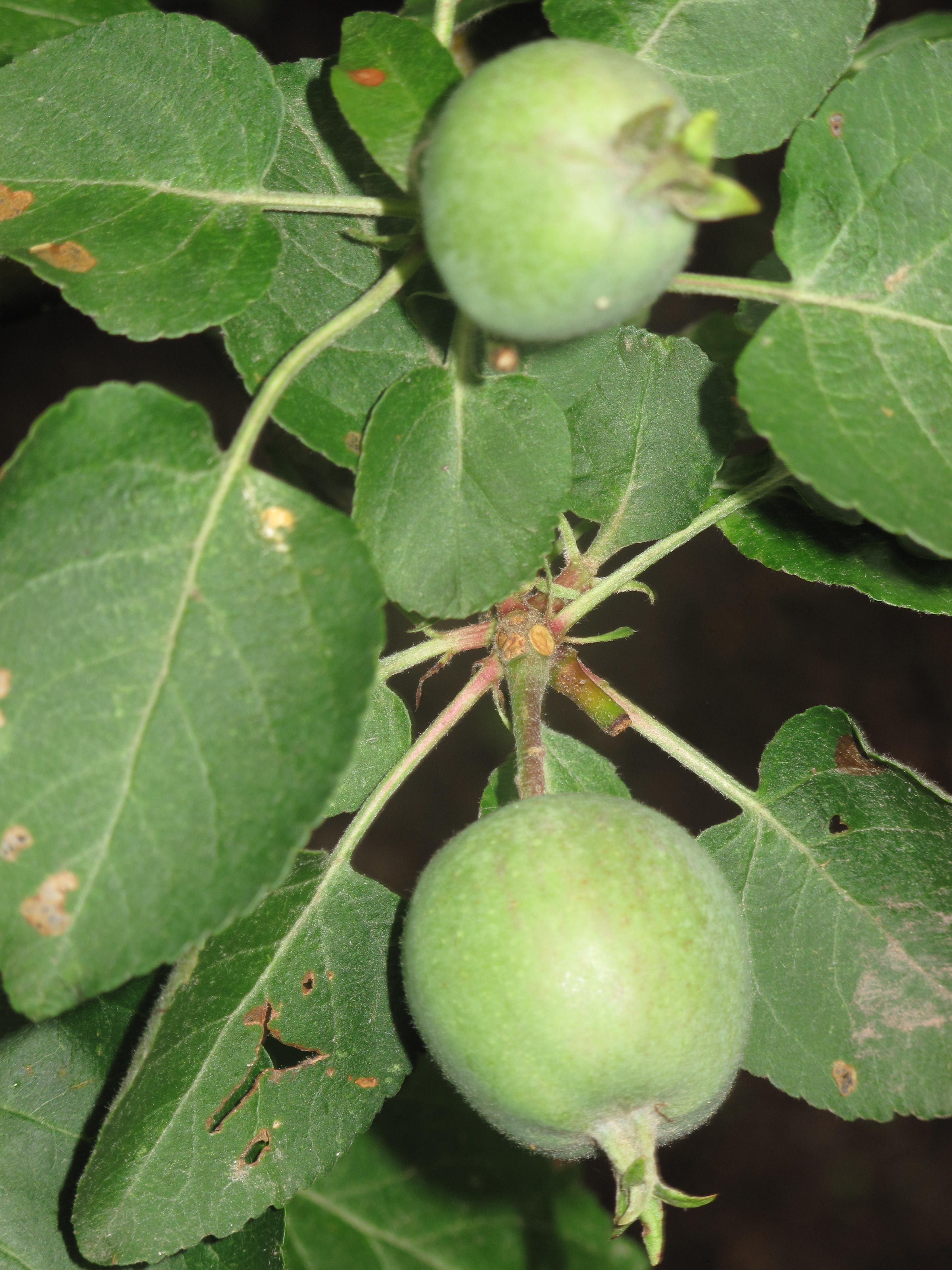
This is a very good sign. There has been a lot of work getting the espalier apple trees in order this season. We’ve spoiled the trees in every manner imaginable. We started with two trees, noticed one was not doing well, removed it and replaced it with a new tree, built a support system to secure the branches and gave them a haircut. With all this work, we have kept saying one thing. “We better get some apples this year.” The good news is that it appears we may be in luck this season. The trees are producing apples for the very first time. There aren’t a lot of apples on the trees. Probably 20 at the most. However, it is just nice to see your hard work pay off, especially in the garden where sometimes the harder you work results in some of your worst harvests ever.
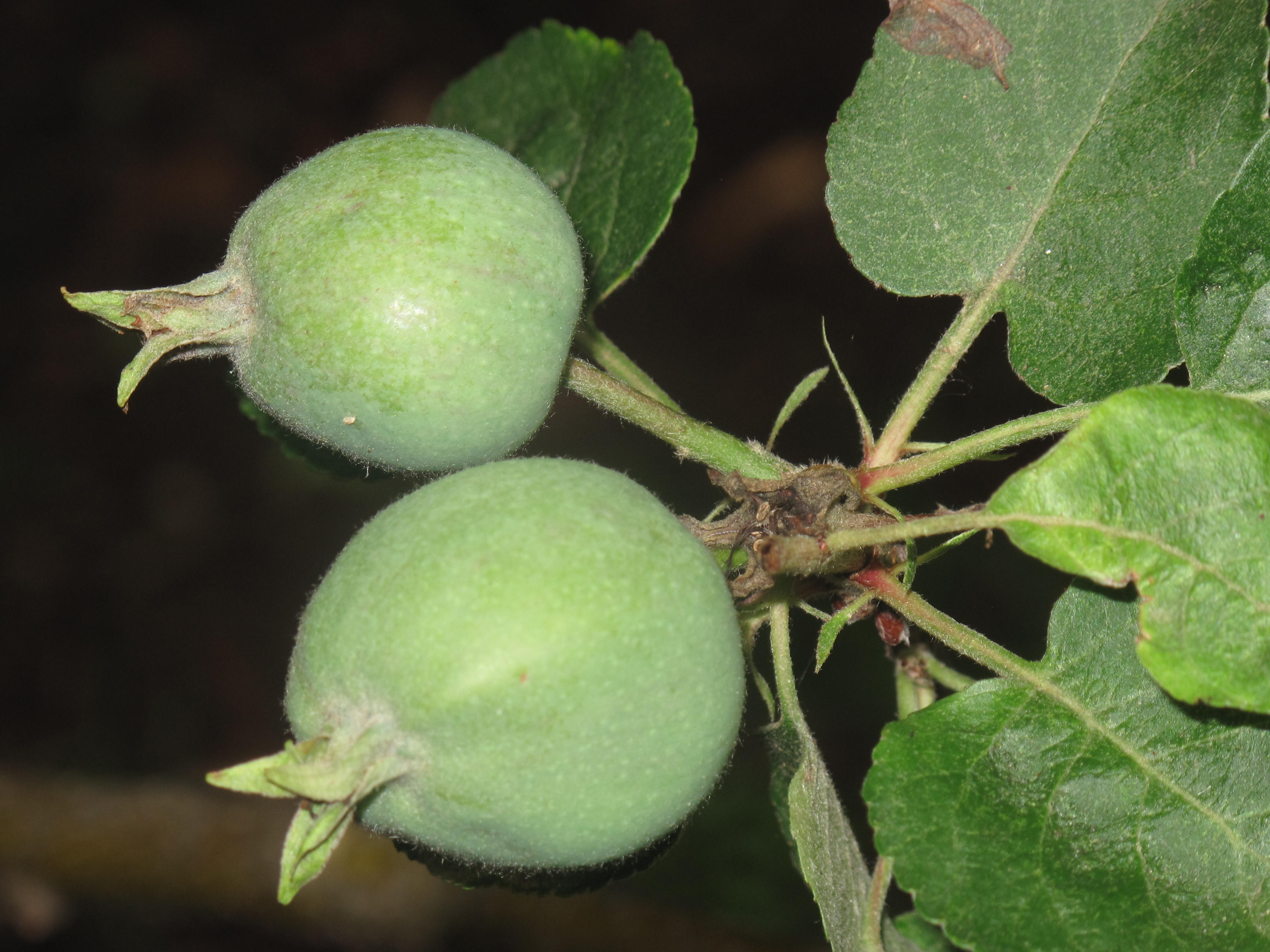
The trouble we are facing now is how to take care of the fruit over the remainder of the Summer. The last thing we want to do is have disease or insects take away our apples. We try to garden in an organic fashion as much as possible. Many of the established gardeners here in Connecticut are telling us that organic is not going to cut it as these apples continue to mature. We will have to use some limited amounts of chemicals on them to keep them safe. Do you have any recommendations on how to care for the apples over the Summer using the least amount of chemicals possible?

This tree is to pay homage to our favorite movie, ‘Now, Voyager’. Have you ever seen ‘Now, Voyager’?

The 1942 movie stars Bette Davis and Paul Henreid. Charlotte Vale (Davis) suffers under the domination of her Boston matron mother until Dr. Jaquith gets her to visit his sanitarium where she is transformed from frump to elegant, independent lady. When she goes off on a South American cruise, she falls in love with Jerry (Henreid), already married. Back home she confronts her mother who dies of a heart attack. Charlotte, guilt-ridden, returns to the sanitarium where she finds Jerry’s depressed daughter Tina. Tina achieves happiness through her attachment to Charlotte and the two move back to Boston. When Jerry sees how happy his daughter is, he leaves her with Charlotte. What about marriage for Charlotte and Jerry? Davis utters one of her most famous lines, “Don’t ask for the moon when we have the stars.”
One of our favorite parts is when Jerry says that Charlotte looks like a camellia in a white dress she is wearing while on their cruise. When she returns to Boston, Charlotte receives a corsage of camellia flowers from Jerry and then she continues to wear camellias on her dresses as a reminder of her love for him.

Two weeks ago, I was contacted that there was an estate sale in the area that included garden plants from the estate. I have never heard of that in my life. The estate actually dug up mature trees, bushes and shrubs and sold them. In looking at the plant list, I saw that there was a Stewartia Pseudocamellia that was over 10 feet tall. While not a true camellia, the flowers are so close, I knew I had to have it in our yard to pay homage to ‘Now, Voyager’. I won the auction for the Stewartia and had it planted in our backyard. Here’s a little background on our Stewartia:
Stewartia Pseudocamellia is a plant species in the genus Stewartia in the family Theaceae, native to Japan and Korea. It is a small to medium-sized deciduous tree, often with multiple stems and/or low branching trunks. The bark is smooth textured, exfoliating as the plants age and has a camouflaged or mottled appearance with patterns of dull orange and green with grey mixed in. Because of this, it has great Winter appeal as it displays its bark against the snowy landscape.

The trees are pyramidal to rounded in shape with deep green colored foliage. Young stems have a zig-zag shape with flattened, divergent buds. The leaves are arranged alternately on the stems with an elliptical shape and finely serrated edges. In the fall the foliage turns yellow, red or purple.

The flowers have five white petals with orange anthers and are shaped like Camellia flowers, round and flat to somewhat cupped. They are produced in Summer, generally in June until the end of August. Each flower is short-lived, but many are produced that open over many weeks. The fruit is a brown capsule, triangular in shape with four or five angles, persistent on the trees but not showy.
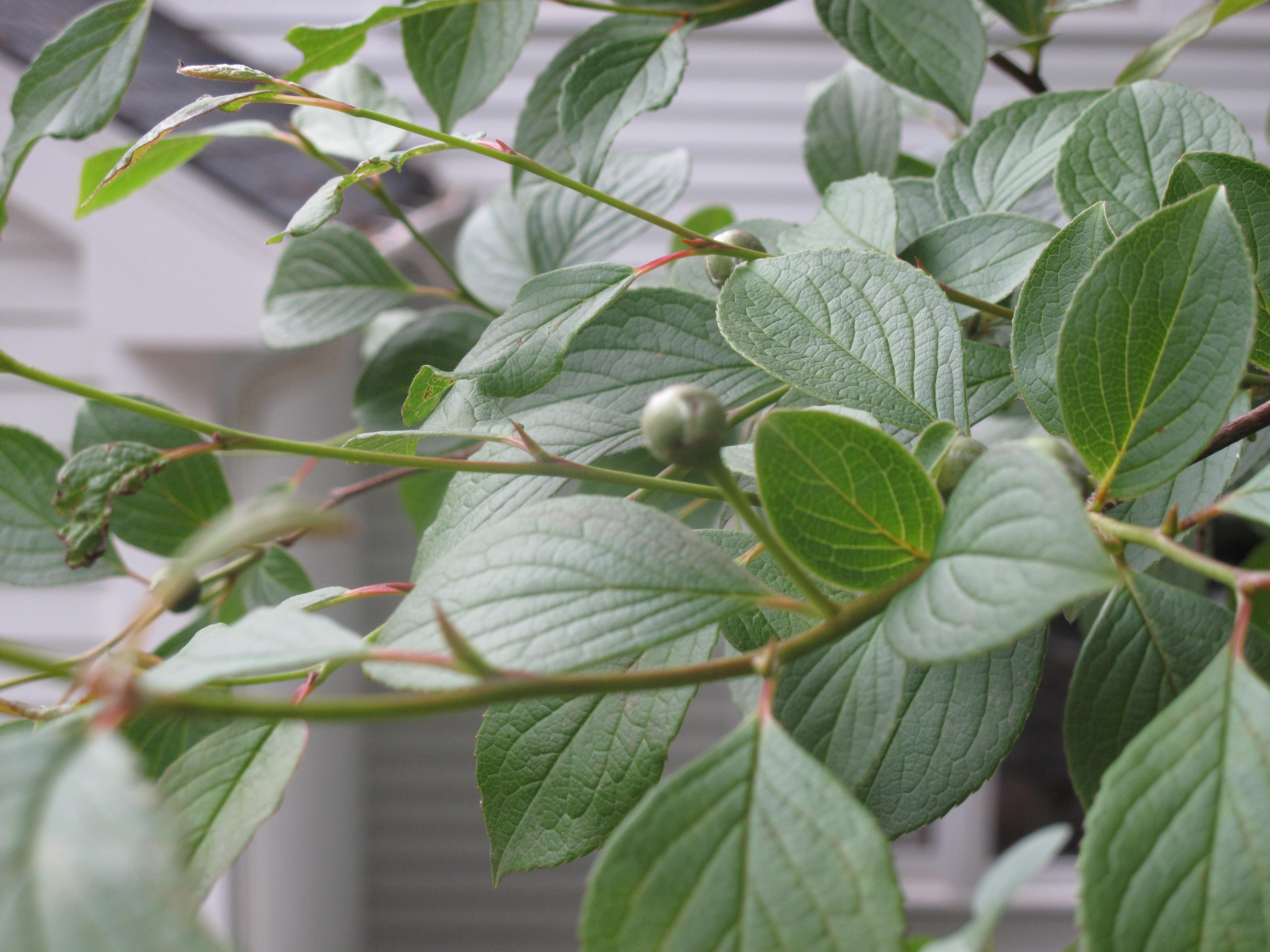
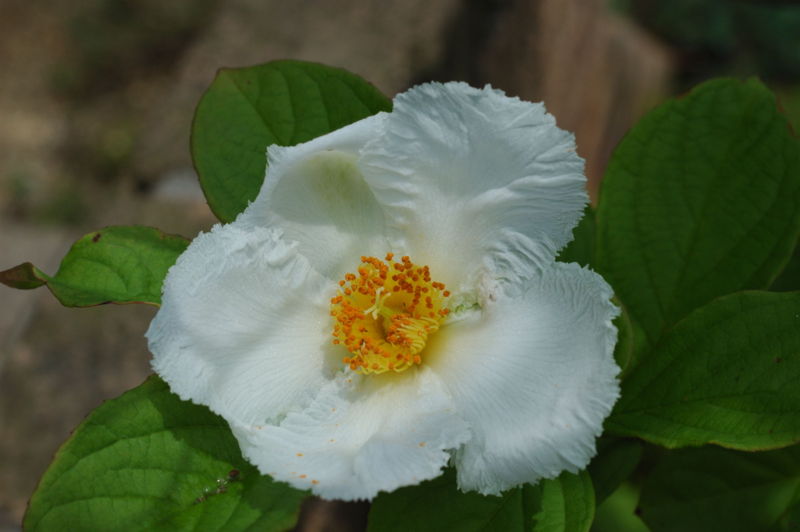
We’ve often said that we like plants in our garden on Glen Road that are unique in nature or have a story behind them. So the Stewartia fits right into what we like in the garden. So now you know that on a clear night when the moon and the stars are shining bright, we will be outside standing by the Stewartia talking about ‘Now, Voyager’. The two of us and the Yorkie….let’s consider her our Tina. What are your favorite old-time movies?

This is some major bling. We were invited to a private viewing event for Christie’s Important Jewels auction before the auction takes place on Tuesday, June 14 at 10:00 AM. We have always like jewelry. Both of our mothers love to wear jewelry and they both own a lot. We like the beauty, but also like how fine jewelry is made. You need to have quite an intricate construction if you hope to hold onto your massive stones. We also like the history of jewelry. Pieces like we saw at Christie’s auction house have a story. Whether it is suppressed emotions that come out in Victorian jewelry or Hollywood-style sex and glamour that come out from more recent pieces, finding out who wore it, how it was made and why it is being sold is always a great story. The auction contained 125 pieces….some more understated than others. The pictures were all taken from our i-Phone. They aren’t too bad considering they were taken with a phone through glass viewing cases and bright lights. Here are a few photos of our favorite pieces we wanted to share with you. Enjoy!!

This is an emerald and diamond ribbon bow, designed as a cluster of marquise and pear-shaped diamonds and emeralds. The bow is enhanced by calibre-cut emerald detail and is mounted in gold and platinum. The bow is signed by Sabbadini.
$7,000 – $10,000 (or as high as the bidding goes)

This ring is set with a pear-shaped diamond, weighing approximately 10.01 carats, flanked on either side by a pear-shaped diamond, each weighing approximately 1.02 carats mounted in platinum.
$1,100,000 – $1,500,000

This is a diamond, ruby, onyx and gold cuff by Verdura. The wide onyx cuff centering on a sculpted gold plaque, set with cabochon rubies and circular-cut diamonds, mounted in gold. Christie’s research has found that this cuff is the widest onyx Verdura cuff to be offered at auction.
$20,000 – $30,000

This diamond bracelet is designed as an openwork circular and single-cut diamond wide band, set at the center with a graduated series of baguette-cut diamonds, mounted in white gold.
$10,000 – $15,000

Stunner alert! The necklace is set with a graduated series of five cabochon emeralds, each within a circular-cut diamond surround, spaced by circular-cut diamond swags, to the circular-cut diamond scalloped backchain and cabochon emerald clasp (which you can’t see from this photo), mounted in platinum and 18k gold. The ear pendants (not earrings I guess if you are loaded) each suspend a pear-shaped cabochon emerald, within a graduated circular-cut diamond surround, from a circular-cut diamond link, the surmount set with a cabochon emerald, with a circular-cut diamond surround, mounted in platinum and gold.
Necklace $60,000 – $80,000
Ear Pendants $10,000 – $15,000
The star of the show! A diamond ring set with an oval-cut diamond, weighing approximately 46.51 carats, flanked on either side by a pear-shaped diamond, weighing approximately 1.01 carats, mounted in platinum. The catalog from Christie’s says it is the property of a distinguished lady. We’re thinking Elizabeth Taylor’s estate, but who knows??
$2,500,000 – $3,500,000 (wrap it up….we’ll take two)
We hope you liked our little virtual jewelry show. If you can afford a majority of these pieces, please let us know so we can adopt you as soon as possible. It’s fun to do something different and we wanted to share this night with you. Let us know if you would like us to place a bid for you. You can trust us with your cash. Have you ever seen bling like this before in your life?
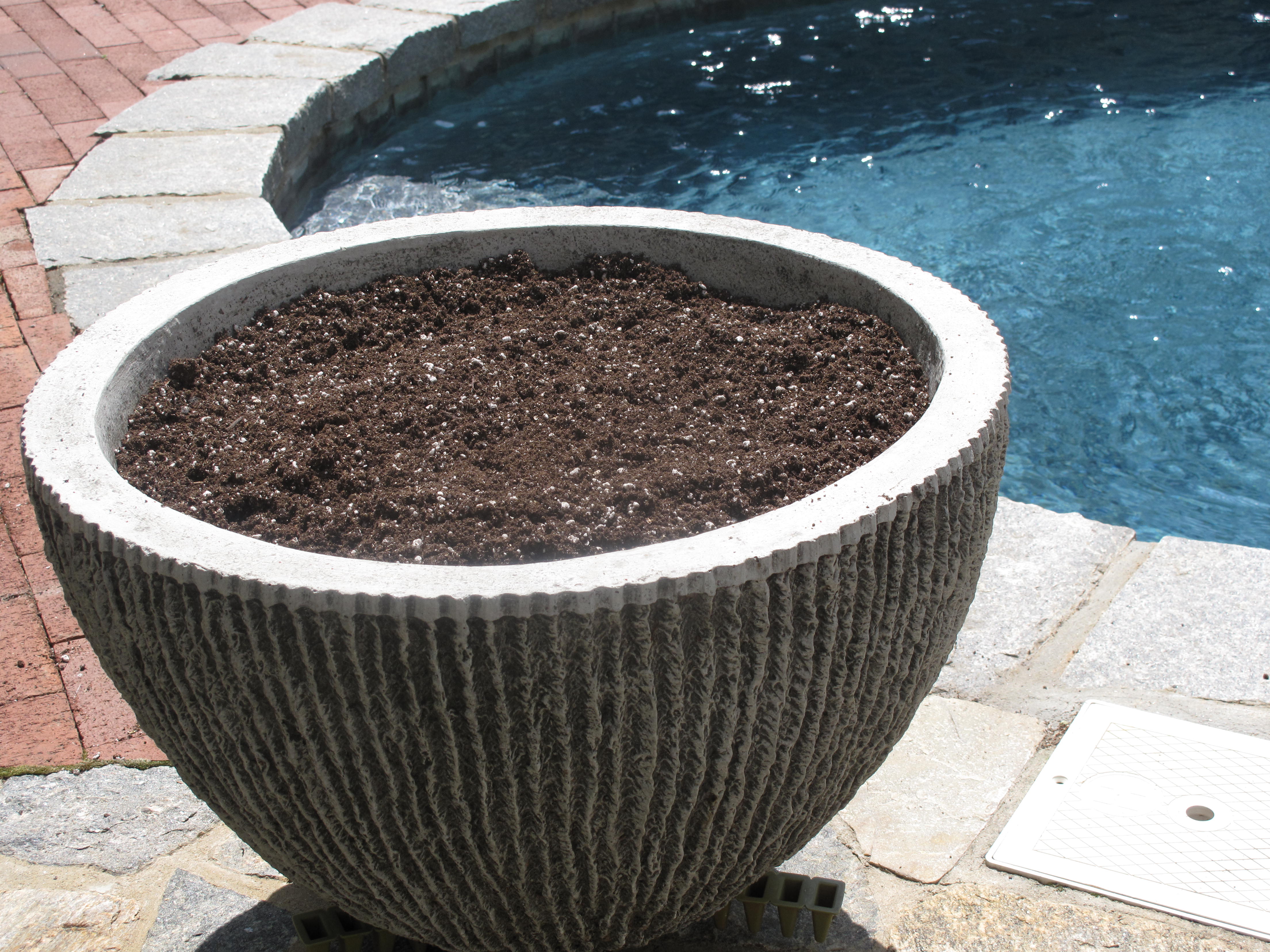
This is another legal pot here on Glen Road that needs to have plants placed inside of it. It is one of a set of planters that are new to our collection. I had to have this set because I am in love with faux bois finishes, which is French for “false wood”. A fitting name for items that appear plucked from the forest, but are actually made of cast stone, cast iron or cement. Faux bois items can also be painted to have the same woodsy look and feel. We were struggling to come up with the perfect mix of plants to put inside the pots, but once again, our friends at White Flower Farm, www.whiteflowerfarm.com, were there to help us with our decision. On their website, White Flower Farm has a large assortment of annual collections for sale. All you need to do is find the assortment of annual plants that you like and they will send them to you along with relevant planting instructions. Their instructions even tell you where to position each plant in the pot that you will be using. There is little room for a mistake when you purchase one of White Flower Farm’s annual collections. Since our faux bois pots are going along the swimming pool, we decided to select a collection that is a little more on the exotic side. Something that contained some large, tropical looking plants mixed along with more traditional plants like begonias or coleus.
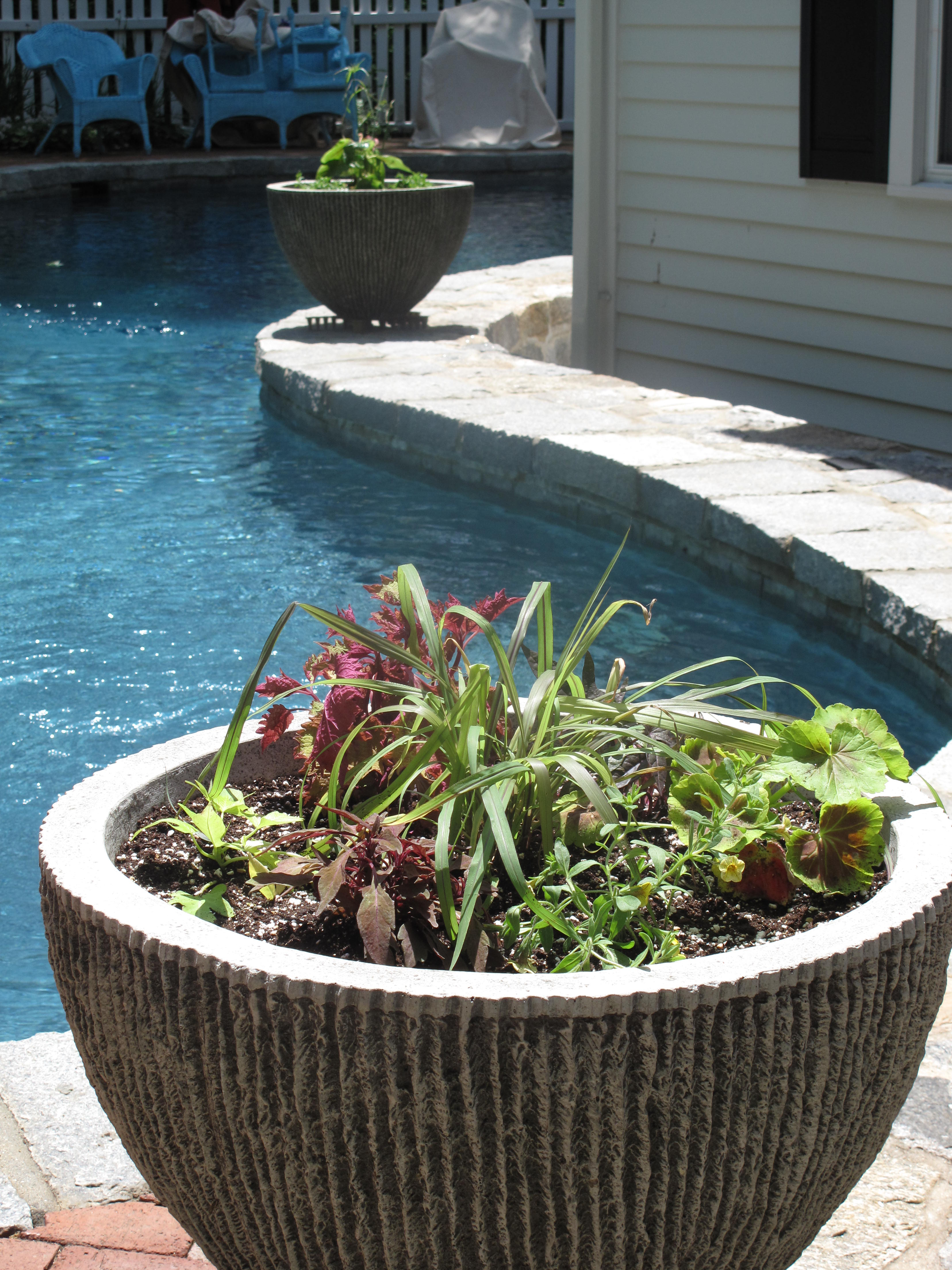
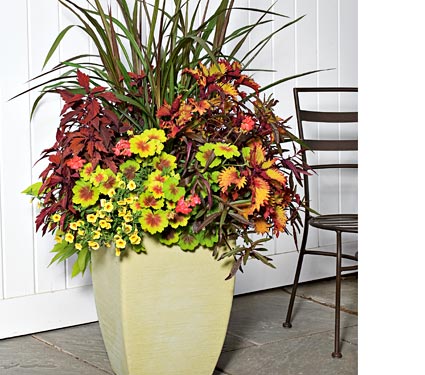
Our first selection is named the ‘Sunny Summer Annual Collection’. In this collection, the plants include an Ornamental Grass (Pennisetum purpureum ‘Princess’), a fancy-leaf Geranium (Pelargonium ‘Indian Dunes’), some unusually colored Coleus, Henna and Lancelot Velvet Mocha, a dark-leaved Ipomoea ‘Blackie ‘, a long-blooming Calibrachoa superbells saffron and a trailing Sweet Potato (Ipomoea sweet heart light green). Here is a copy of the detailed planting instructions, what the collection should look like at maturity and what the collection looked like after we finished our planting.

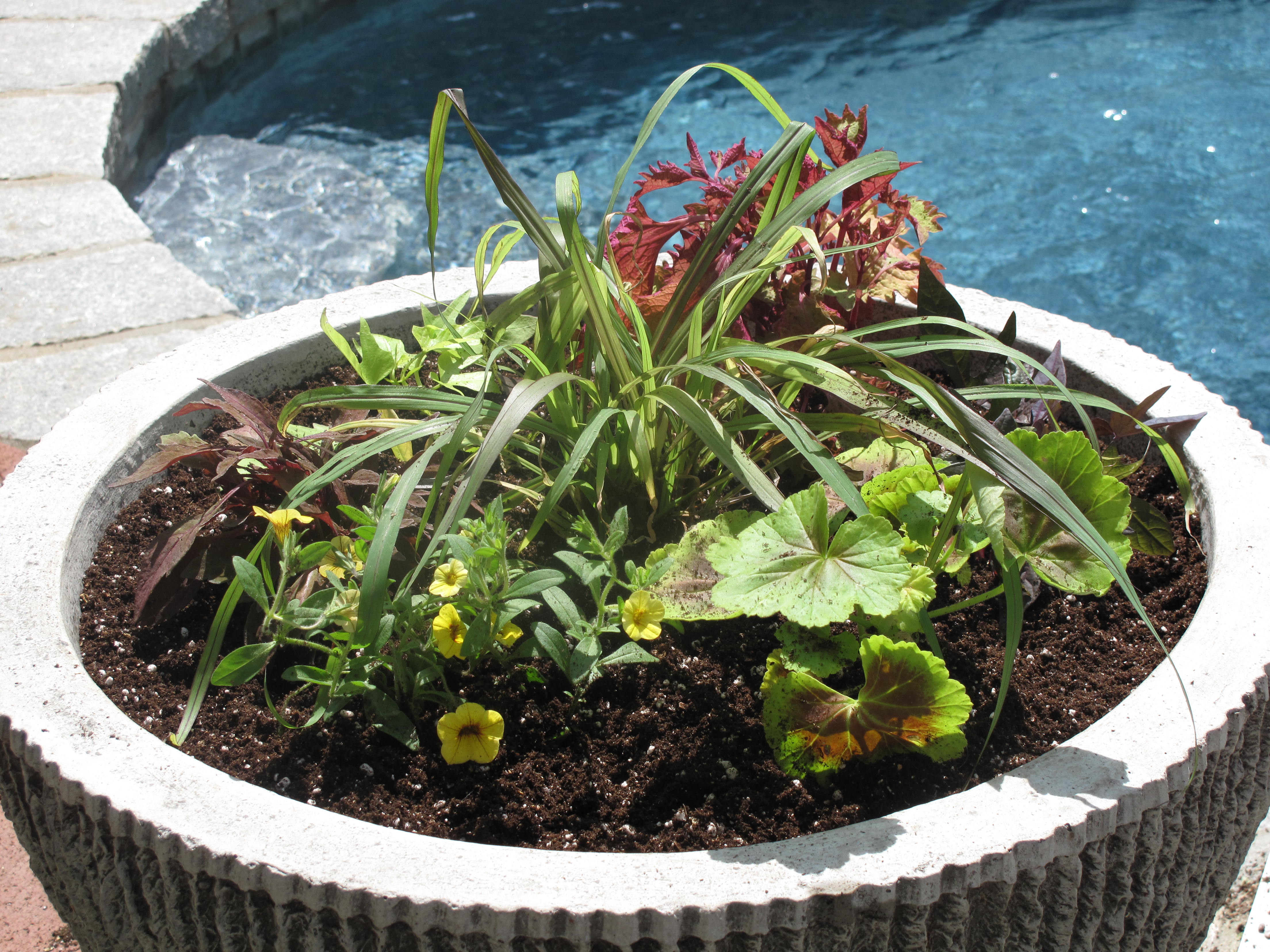
Our second selection was the ‘King Tut Annual Collection’. Ancient Egyptians used the leaves of Cyperus Papyrus to make paper, but here that sedge’s foliage creates a sensational display, rising 4-6 feet tall above the trailing blooms of Begonia Dragon Wing Pink and Calibrachoa Cabaret Deep Blue. Again, here is a copy of the detailed planting instructions, what the collection should look like at maturity and what the collection looked like after we finished our planting.
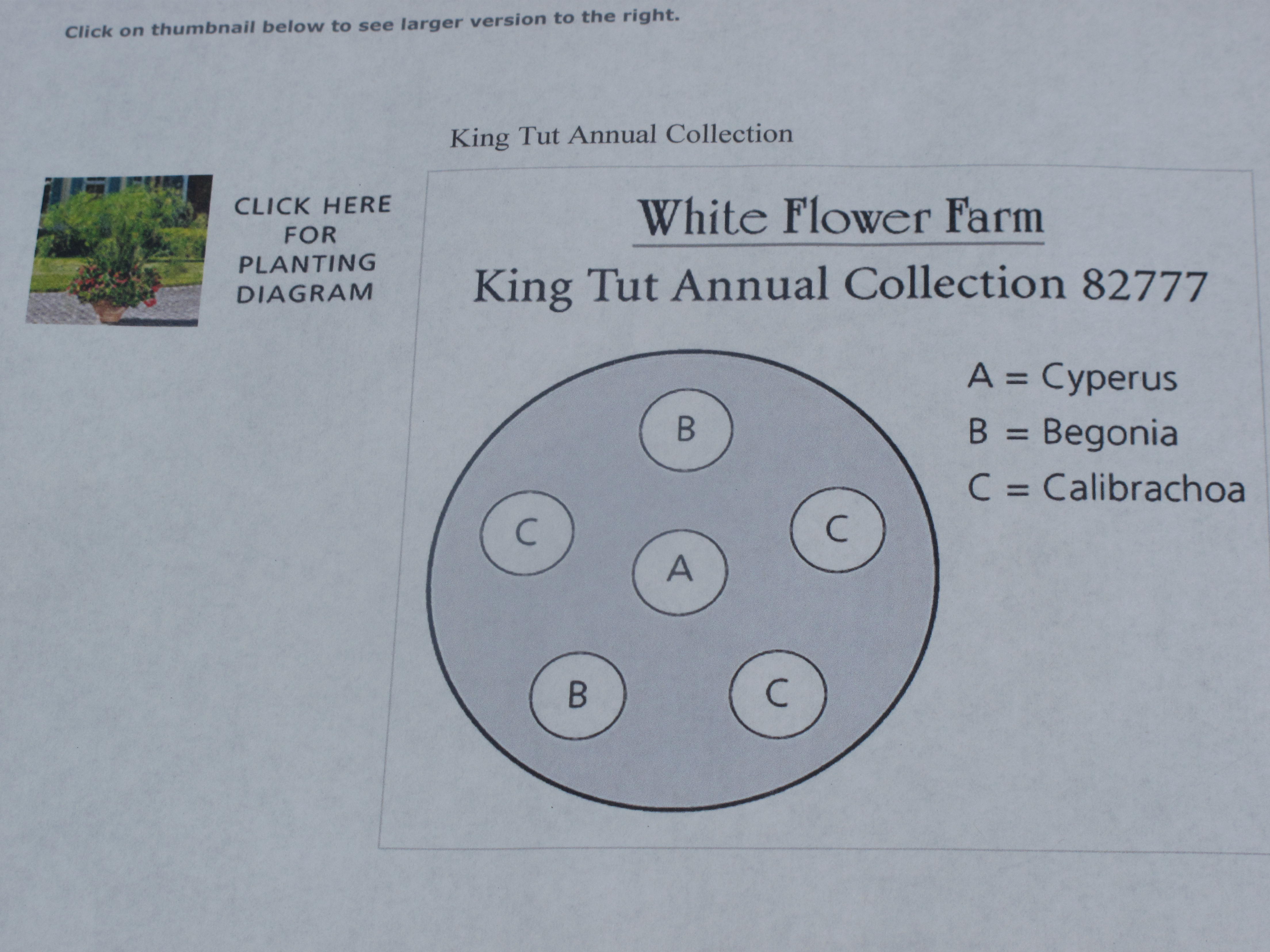
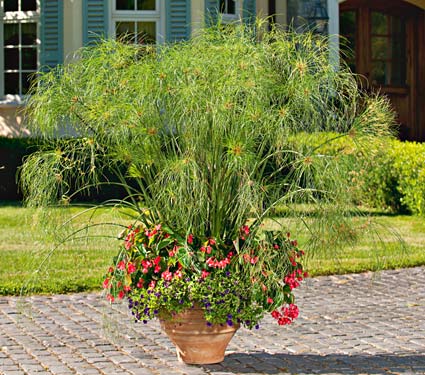

So, as you can see, there is a lot of growing that needs to get done in a rather short amount of time. With some regular watering and fertilizing, we should be able to grow these pots into some eye-catching arrangements just like the pictures above that show the collections at maturity. Nothing is guaranteed, but gardening in planters and pots is pretty risk free….and legal. What are you planting in pots, planters and containers on your patio, yard or garden?
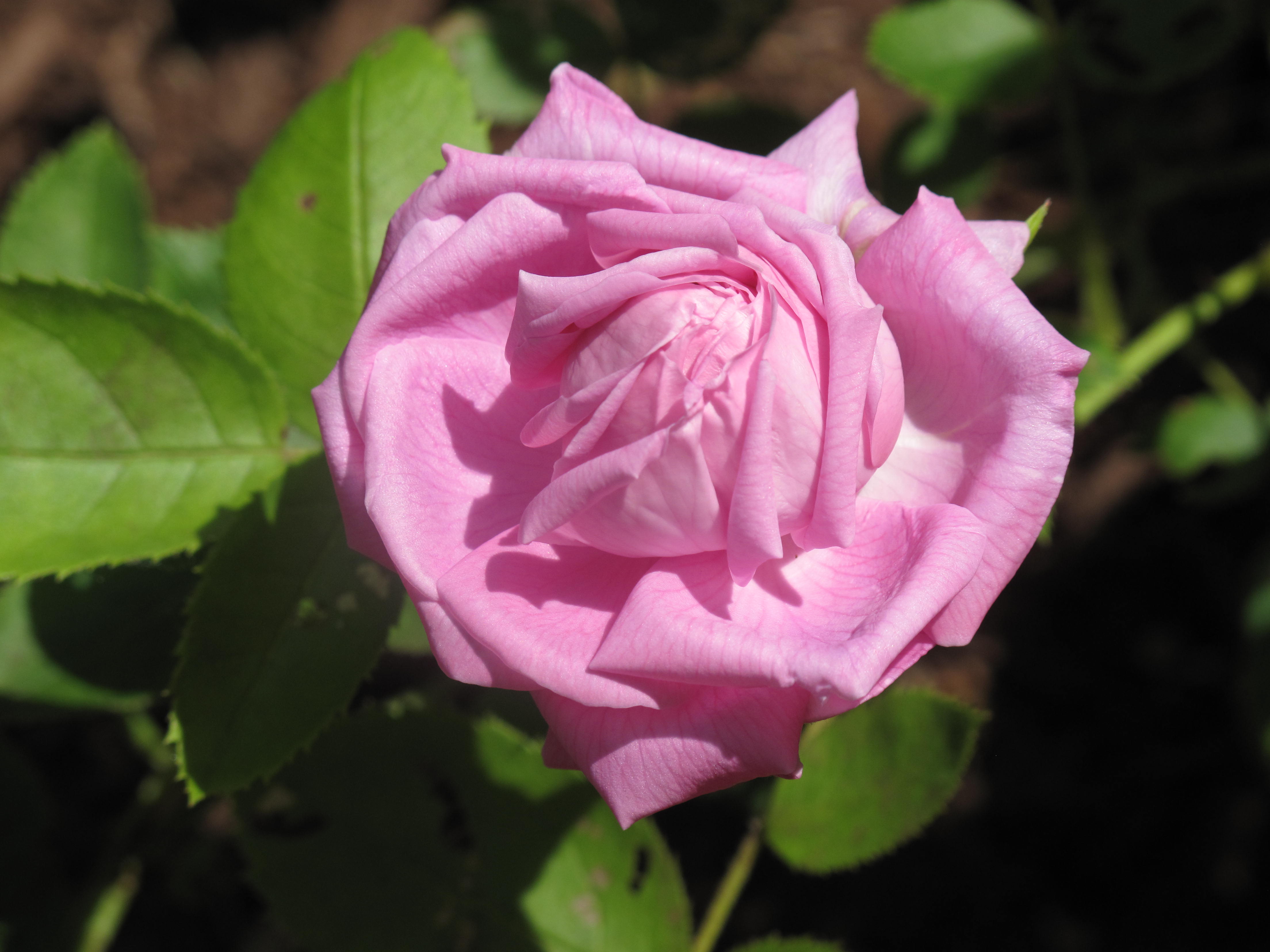
This is an update on what’s blooming on Glen Road. The big news this week is that it is peonies and roses that have opened their buds for all to see. While there are a few other bloomers out in the garden, it is easy to lose track of them due to the utter beauty of the peonies and roses. This year there are more peonies open than ever before and the roses that we have are full and lush in their blooms. So sit back and take a virtual garden tour with us and take a look at what’s blooming in the gardens here on Glen Road.
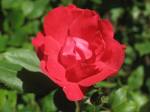
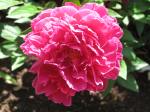
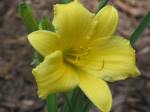
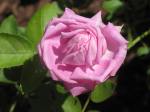
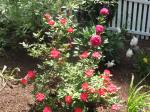
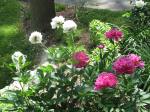

Hope you enjoyed our little virtual garden tour. The weather is very hot here in Connecticut now so it is time to start watering during the early morning and later evening hours. Even then it is hard to keep everything looking so fresh and lush. Let’s hope we can squeeze a few more days or weeks of beauty out of these gorgeous peonies and roses. It will be a shame if we can’t. What’s blooming in your neck of the woods?
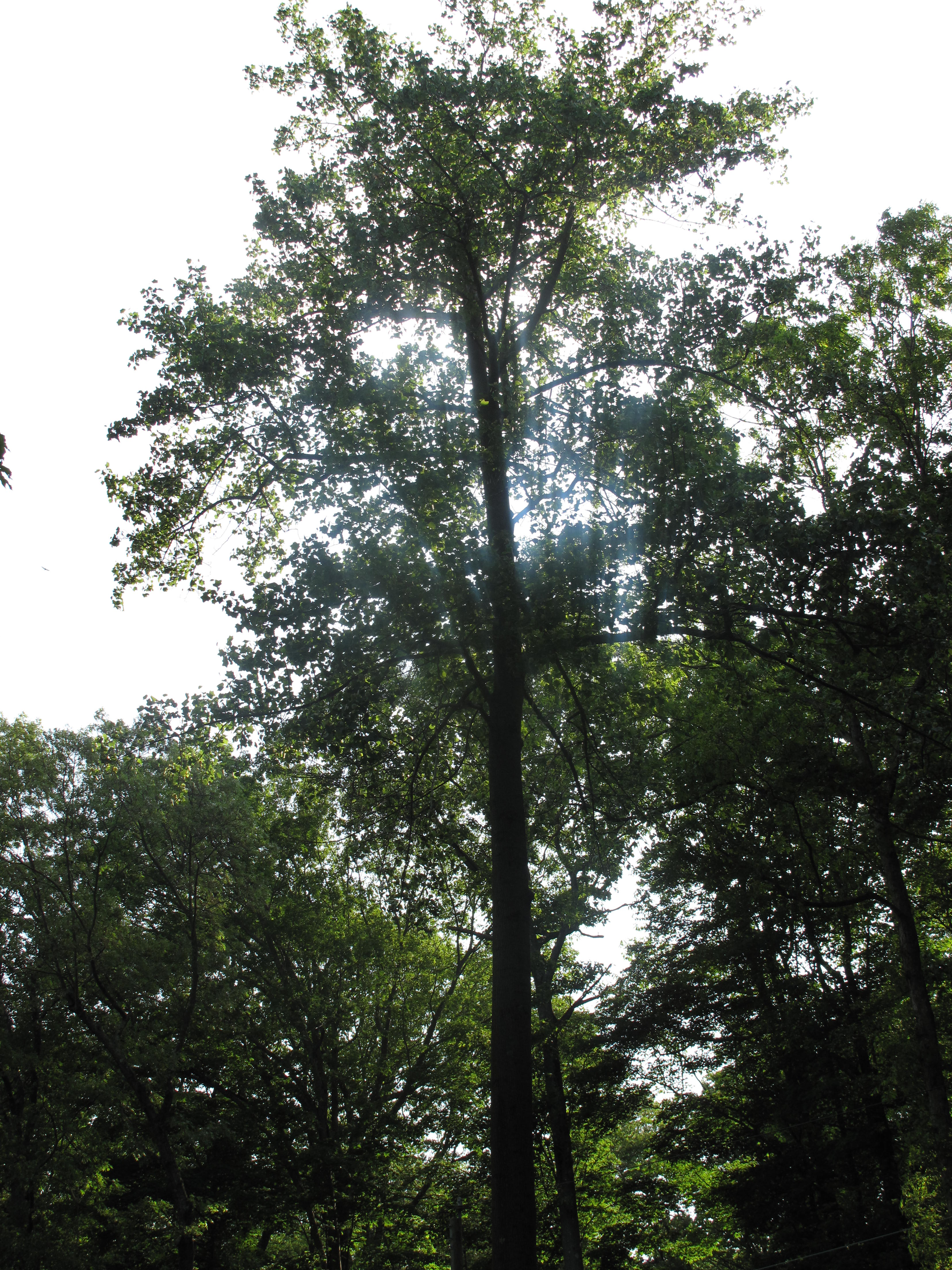
This is one of our favorite trees on Glen Road. No picture can really do it justice in showing its height and how majestic it stands. The tree is a Tulip tree, Liriodendron tulipifera. It is also called a yellow poplar, tulip poplar, tulip magnolia or a white wood. The Tulip tree is native to the eastern U.S. and is the state tree of Indiana and Tennessee. Here on Glen Road, our Tulip tree stands very straight and very, very tall, until you get to the top. At the top of the tree, there is a spot where the main trunk has a bend in it before it starts to grow straight again. We have been told this is most likely where the tree was struck by lightning.
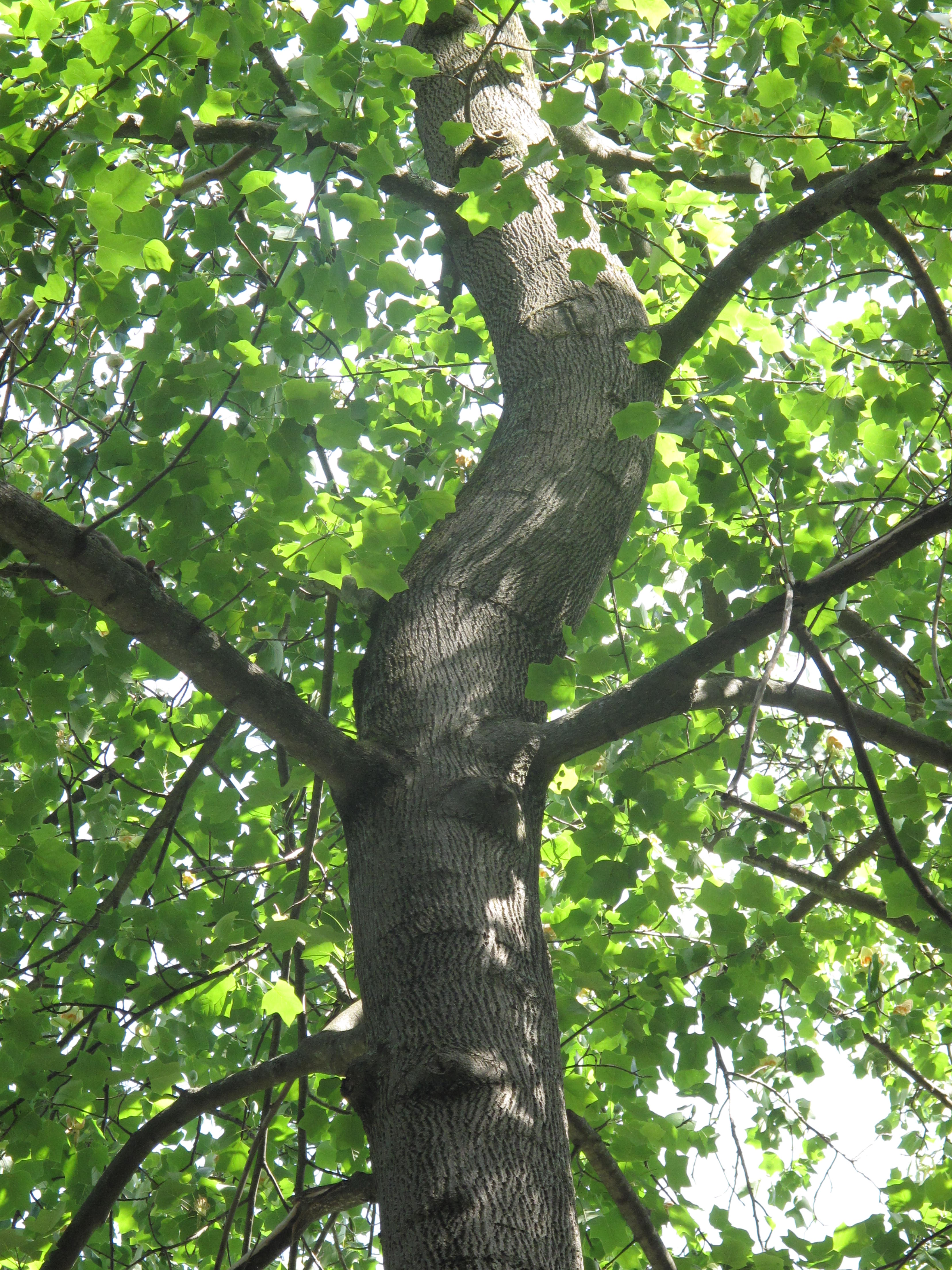
The Tulip tree is one of the tallest trees in the forest. It may live 200 years. The tree is deciduous, meaning it loses its leaves on a seasonal basis. The Tulip tree is usually 70-90 feet tall. However, it has been known to reach more than 180 feet tall. The large, cup-shaped flowers don’t appear until the tree is between 15 and 25 years old. The flowers are hard to see when in the tree because they grow high above the ground. It is only when the wind blows them down that we are able to get a close-up view.

The Tulip tree leaf is simple and is shaped something like the outline of a Dutch tulip. It is bright green on the top and paler green underneath. In the Fall, it turns pale yellow. The flower is perfect. This means that it has both male and female parts. It has green petals with orange splotches at the bottom. The flowers appear in late May or early June. In the Fall, the tree will drop its fruit. The cone-shaped fruit is made up of clusters of samaras. Each samara holds two seeds. When the fruit dries and opens, the samaras scatter, carrying the seeds on the wind.

Tulip trees are very weak-wooded. This means the limbs often break during ice and wind storms. It is a good thing that our Tulip tree is near the end of the driveway and not near the house. The wood is light yellow and very easy to carve. That is why the wood is used today for crates, musical instruments, toys and roof shingles.
As we’ve said before, we love to grow unique plants here on Glen Road. While we didn’t plant our Tulip tree, we are so glad that it is here. Do you have any interesting trees or plants growing on your property that you can share with us here on Acorns On Glen?
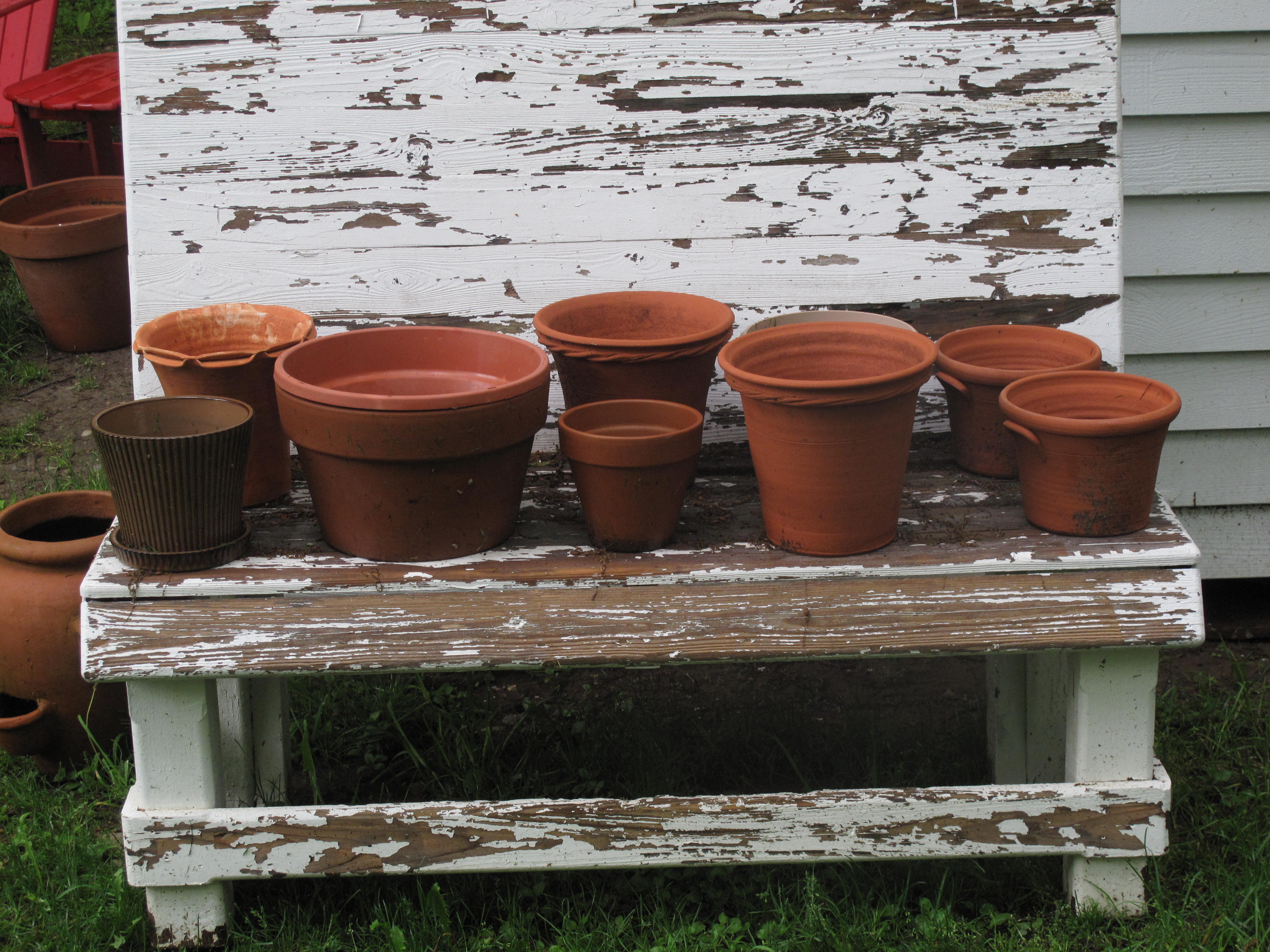
This is my collection of a legal pot or two here on Glen Road. It’s planting season, so all hands on deck. Are you planting fast and furious in your garden?
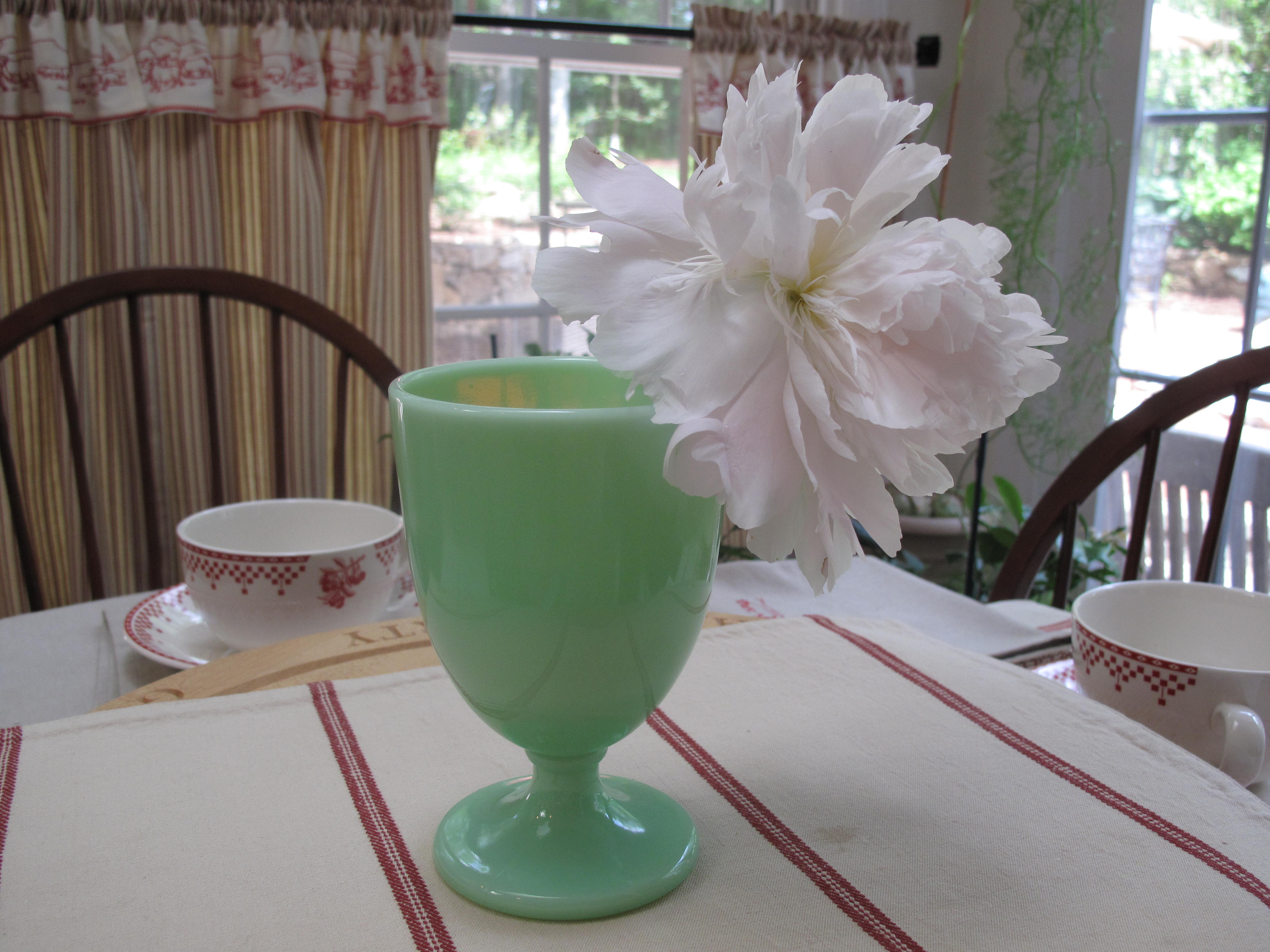
This is an update on what’s blooming here in the garden on Glen Road. It seems the early Spring bloomers are already spent and so now it is time to move on to our early Summer/late Spring group. This group is led by the beautiful peonies that are just starting to pop open after some warm weather and plenty of rain early in their growth. There are also some plants that are blooming that we can’t name. They have been here at Glen Road longer than we have, so if you know what they are, let us know. So sit back and enjoy our gallery of late Spring bloomers.
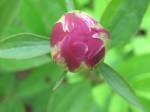
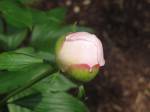
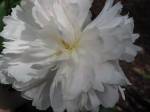
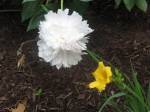
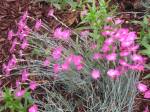
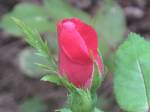
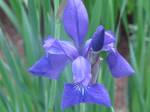
We hope you liked our little garden tour. Seeing these beautiful blooms makes all the effort seem worth it. Again, we wish someone could invent something that makes these flowers last year round. Seems like such a waste for them to be around for such a short amount of time. What’s blooming in your neck of the woods?

This is a close up of our favorite flower here on Glen Road. Dicentra spectabilis, otherwise known as bleeding hearts. What’s blooming in your garden?
 Acorns On Glen