This is JoJo at our July 4th party. She didn’t take a nap all day. She just ran from guest to guest to guest. When she went to bed at 11:30 at night, she fell to her side and didn’t wake up until 10:00 the next morning. Partying is really hard work. What have your pets been up to lately?
Beauty
A Picture Is Worth A Thousand Words – Critters I Like
This is the kind of critters I like to see on Glen Road. The stone kind. The kind that doesn’t jump, hiss, run, slither or scurry. They just sit there and do absolutely nothing. Sort of what we did this weekend after our July 4th party. What critter horror stories do you have to share here at Acorns On Glen?
Easy Chicken….Like Really Easy Chicken
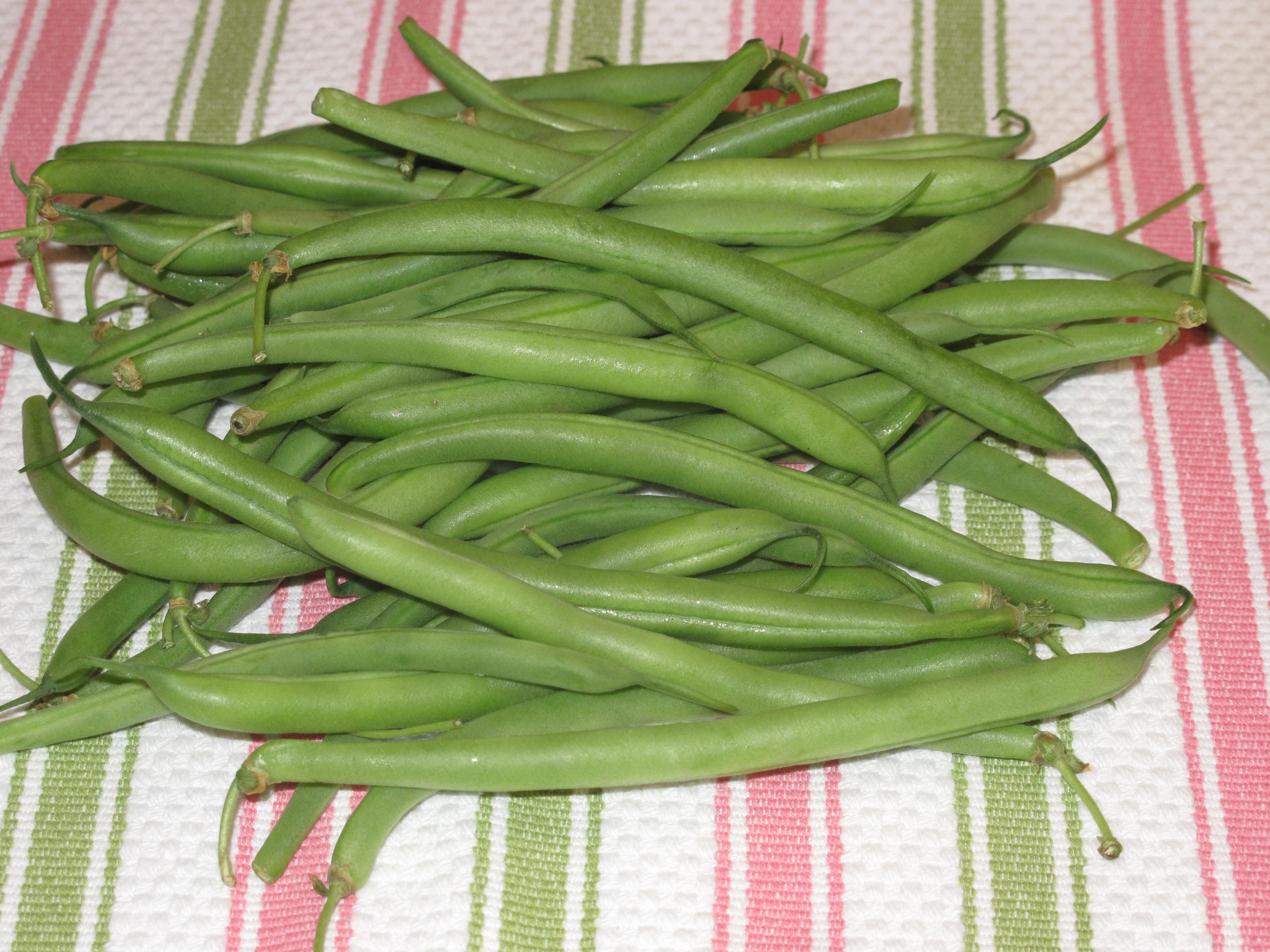
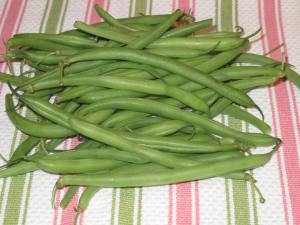
This is our first harvest of green beans from the garden. What should we do with them was the question? I had an answer for that, based on a recent recipe I saw on a cooking channel. Fresh green beans are perfect for a chicken paillard with fresh greens and beans. We had been on such a food overload since our early July 4th party where we ate an incredible amount of food over the span of the event. This recipe was perfect for us in the sense it wasn’t heavy, wasn’t grilled and was quick and easy. It also called for very fresh ingredients, which is always a plus. Even on the 4th of July, I was able to get to a fresh farmer’s market that was open for some of the other ingredients needed that I couldn’t get out of our garden. If you are lucky enough to find a place that sells fresh, organic produce, it is well worth the price. The fresh tastes can’t be beat. This is the perfect Summer go-to recipe and hit the spot for our 4th of July dinner.
Ingredients (serves 4):
- 1 pound trimmed green beans (sliced lengthwise on a sharp bias)
- 4 boneless, skinless chicken breast halves (8 ounces each)
- 3+ tablespoon extra-virgin olive oil
- Coarse salt and ground pepper
- 32 sage leaves
- 8 ounces pancetta (finely chopped)

- 1 sliced red onion
- 2 tablespoon red-wine vinegar
- 6 cups lettuce (the lettuce is going to wilt a little because you will put a hot dressing/skillet gravy on top of it…..get some greens that can take that..romaine, red leaf, frisee mixed together work well)
Directions:
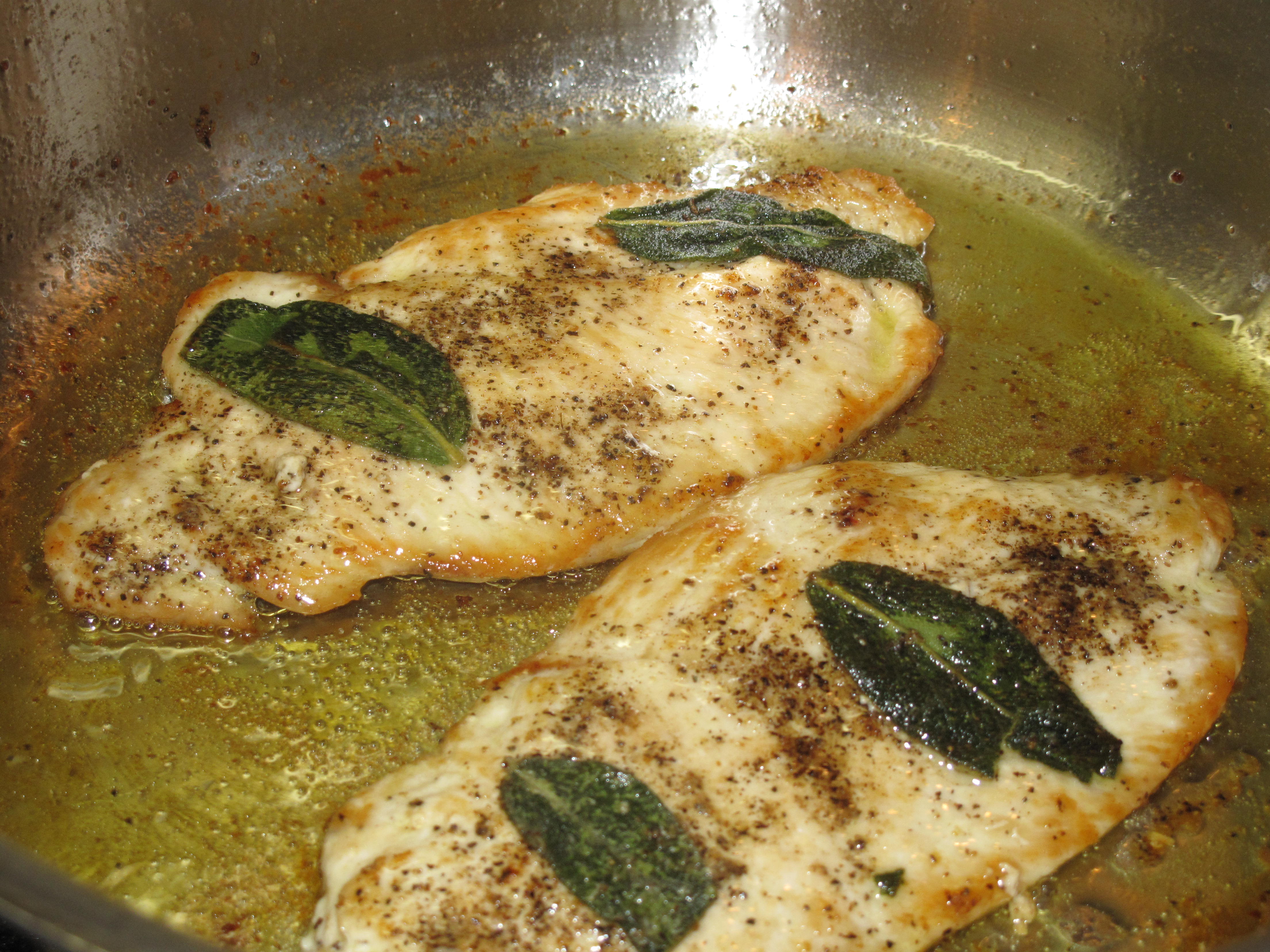
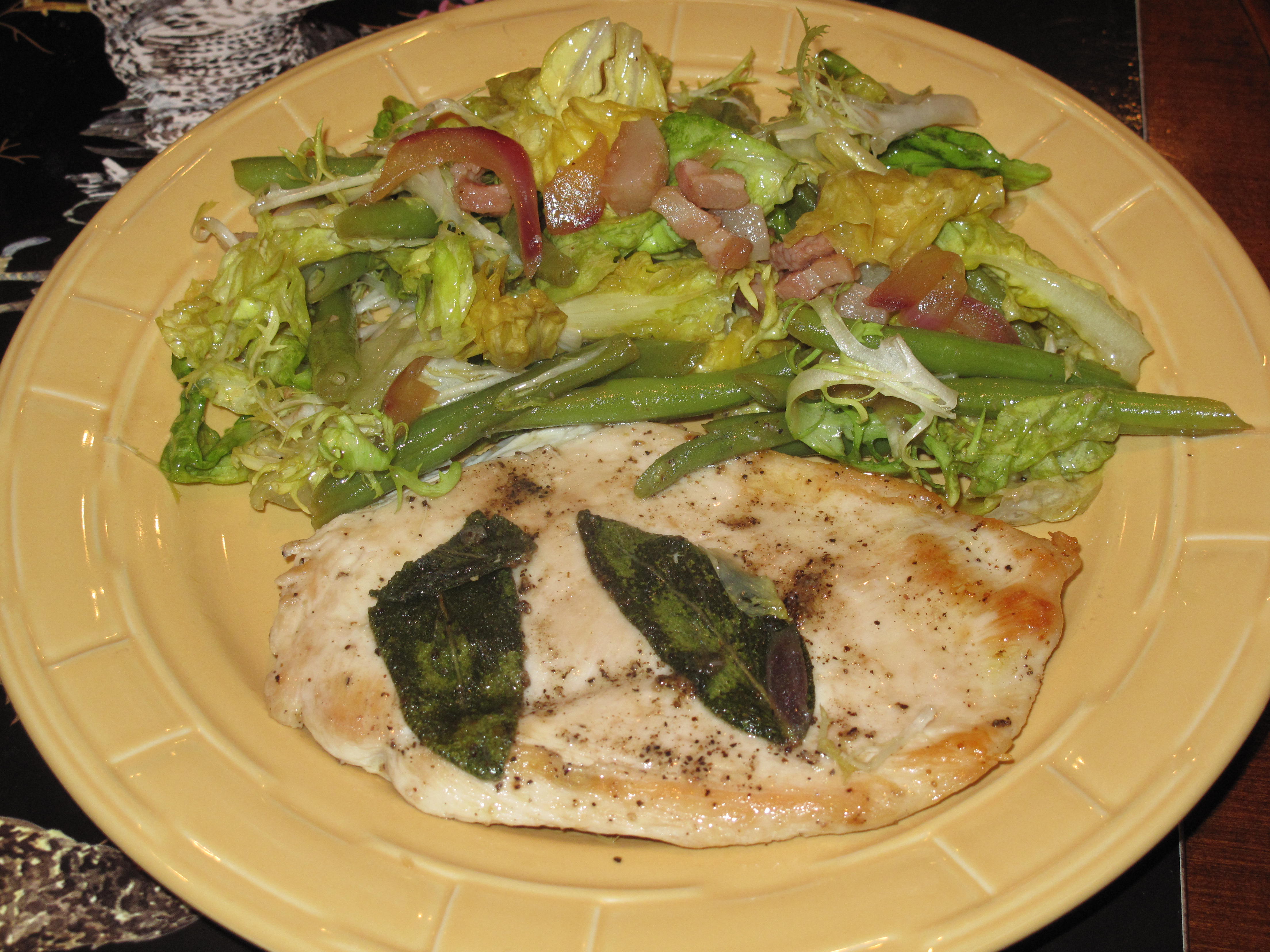
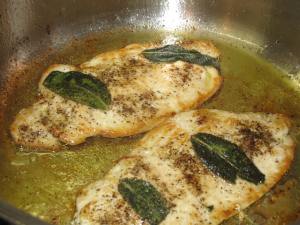
Steam string beans until al dente, 3 to 4 minutes. Dump them into a bowl and set aside. Slice chicken breast halves in half horizontally; pound lightly, to an even thickness to make 8 paillards. Season paillards with salt and pepper. Top each with 2 sage leaves. Saute in a skillet with olive oil over high heat for 3 minutes. Flip, and top each with more salt, pepper and 2 more sage leaves. Heat until cooked through, about 3 minutes more.
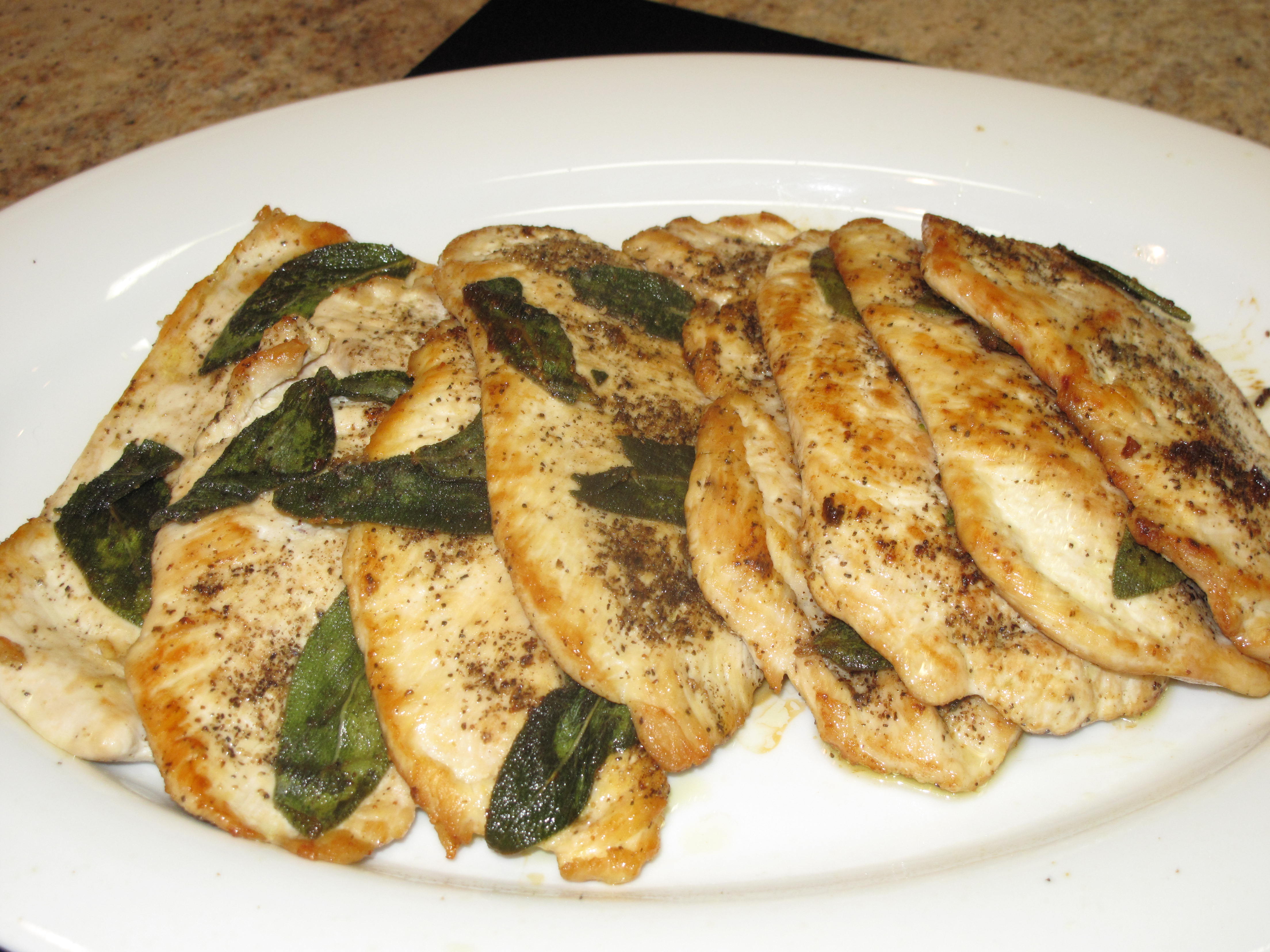
Transfer to a platter.
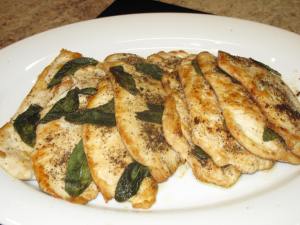
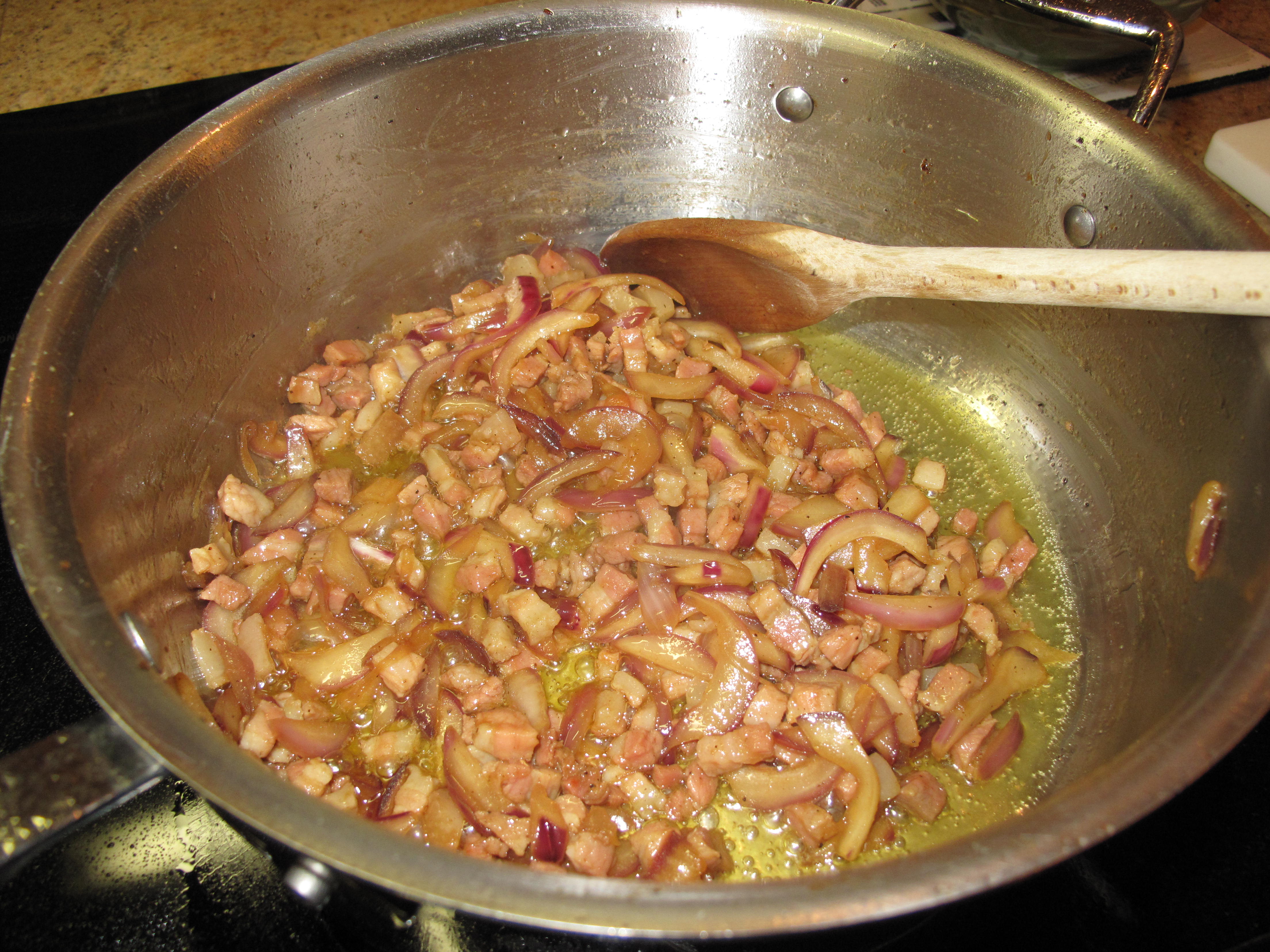
When all 8 paillards are cooked, heat 1 tablespoon oil in skillet over high heat. Cook pancetta for 2 minutes. Add red onion; cook until soft, about 3 minutes minimum. Make sure to scrape up all of the chicken bits that are attached to the bottom of the pan. They have excellent flavor.
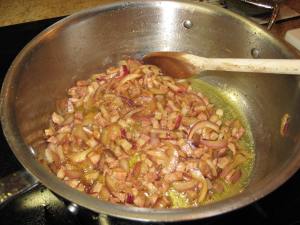
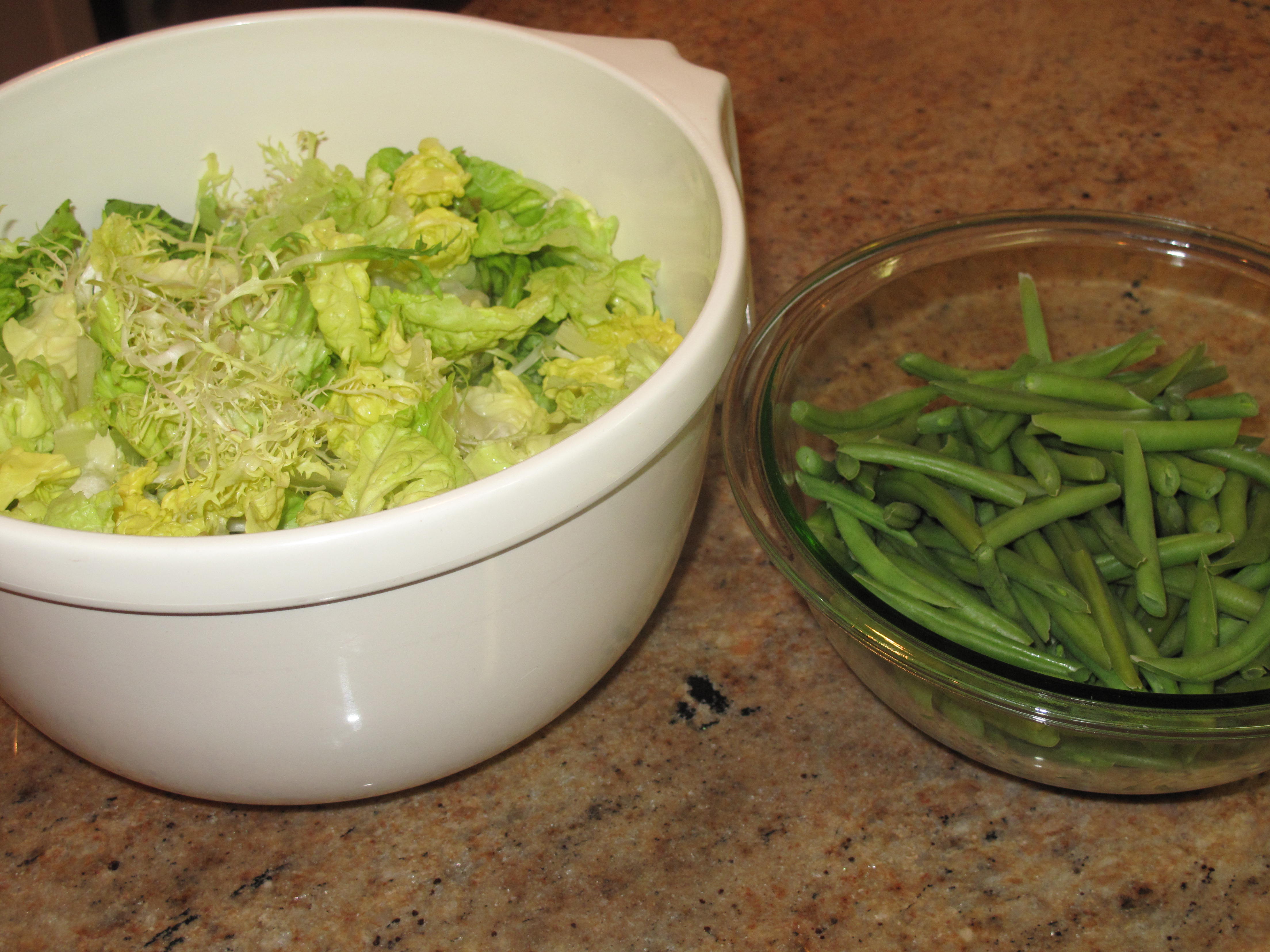
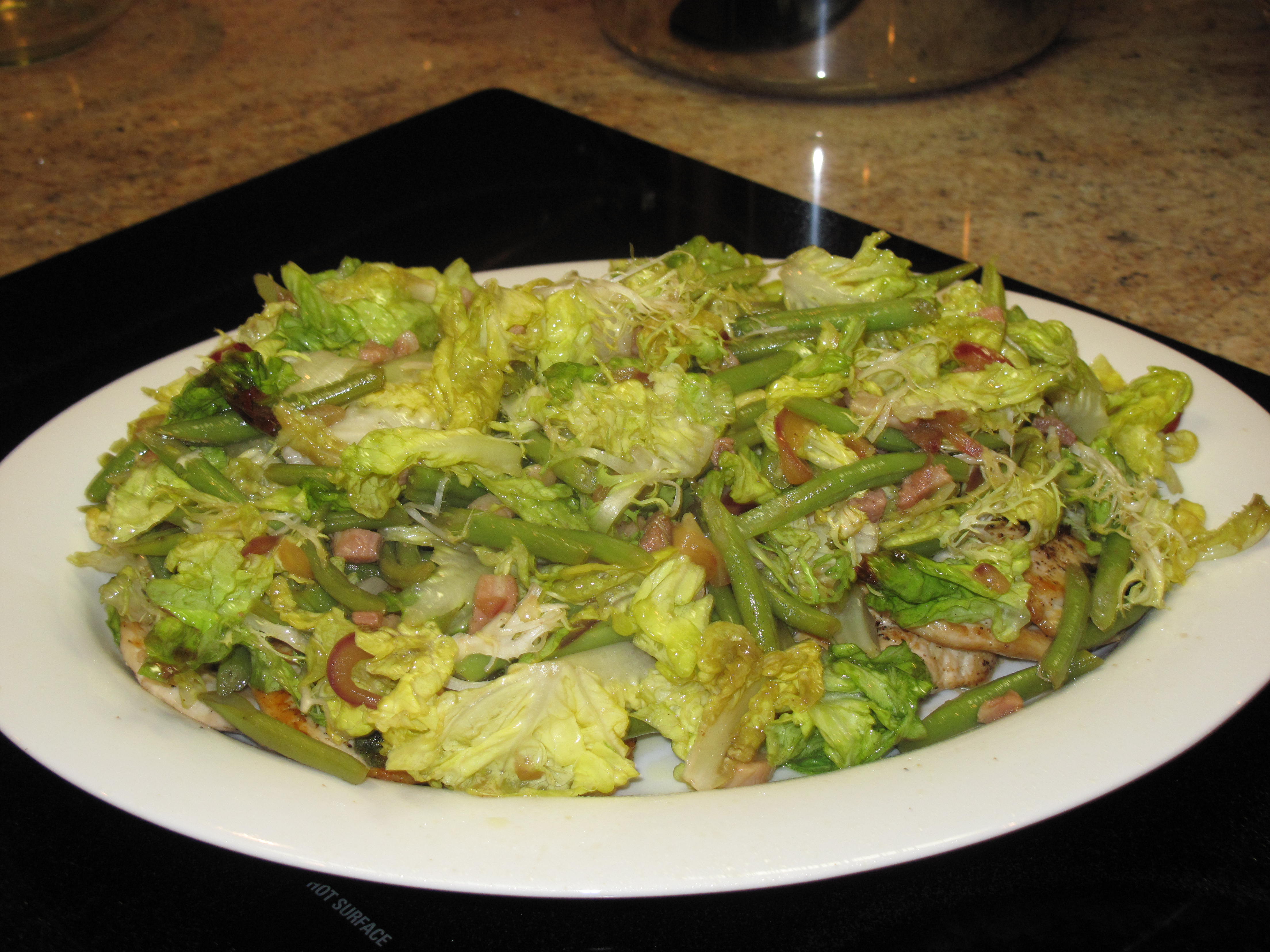
Add red-wine vinegar; stir in green beans. Simmer for about two minutes to let the vinegar cook down a little and to heat up the green beans. Toss with lettuce. Serve over paillards. There is a lot of greens and beans as you can see. You can barely see the chicken under all of this salad.
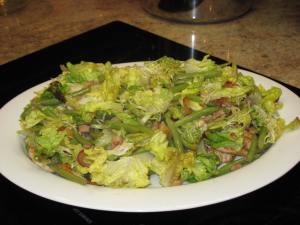
Simple and quick. We were not in the mood for crazy and difficult. Very tasty and hit the spot. The warm dressing on the slightly wilted lettuces was a nice touch. The pancetta, onion and vinegar had a nice mix of flavor. Believe it or not, the chicken also kept its sage taste which surprised me given that I thought the flavor would be in the olive oil and not the chicken.
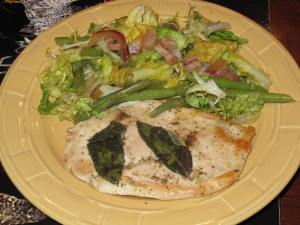
This is absolutely a new go-to Summer meal when we need something in a jiffy. When it’s 100 degrees outside, who wants to spend all day cooking in front of a hot stove and oven? Not us, that’s for sure. What is your favorite go-to me meal for the Summer?
Way Out Wicker
This is our new way out wicker. There are a lot of second-hand stores in our area of Connecticut. Many are pretty high-end, with beautiful antique furniture, china, crystal of all shapes and sizes and outdoor furniture. Granted, there is a lot of junk in some of these stores but if you keep an eye out on the merchandise, you can find some good deals. That’s the case with our new funky wicker set. Who knew you could find real wicker in turquoise?
So when we saw the furniture we knew we had to have it. We bought the pillows and cushions to match at a local home store shop and we were ready to go. The set fit perfectly at the South end of the pool where it resides now. It’s a perfect way to relax after a long day at work and enjoy a glass of wine or dinner. We know that we will be spending a lot of hours here this Summer. Do you know a special drink that is colored turquoise to match our wicker set that we can drink all Summer?
A Picture Is Worth A Thousand Words – Bee Nice
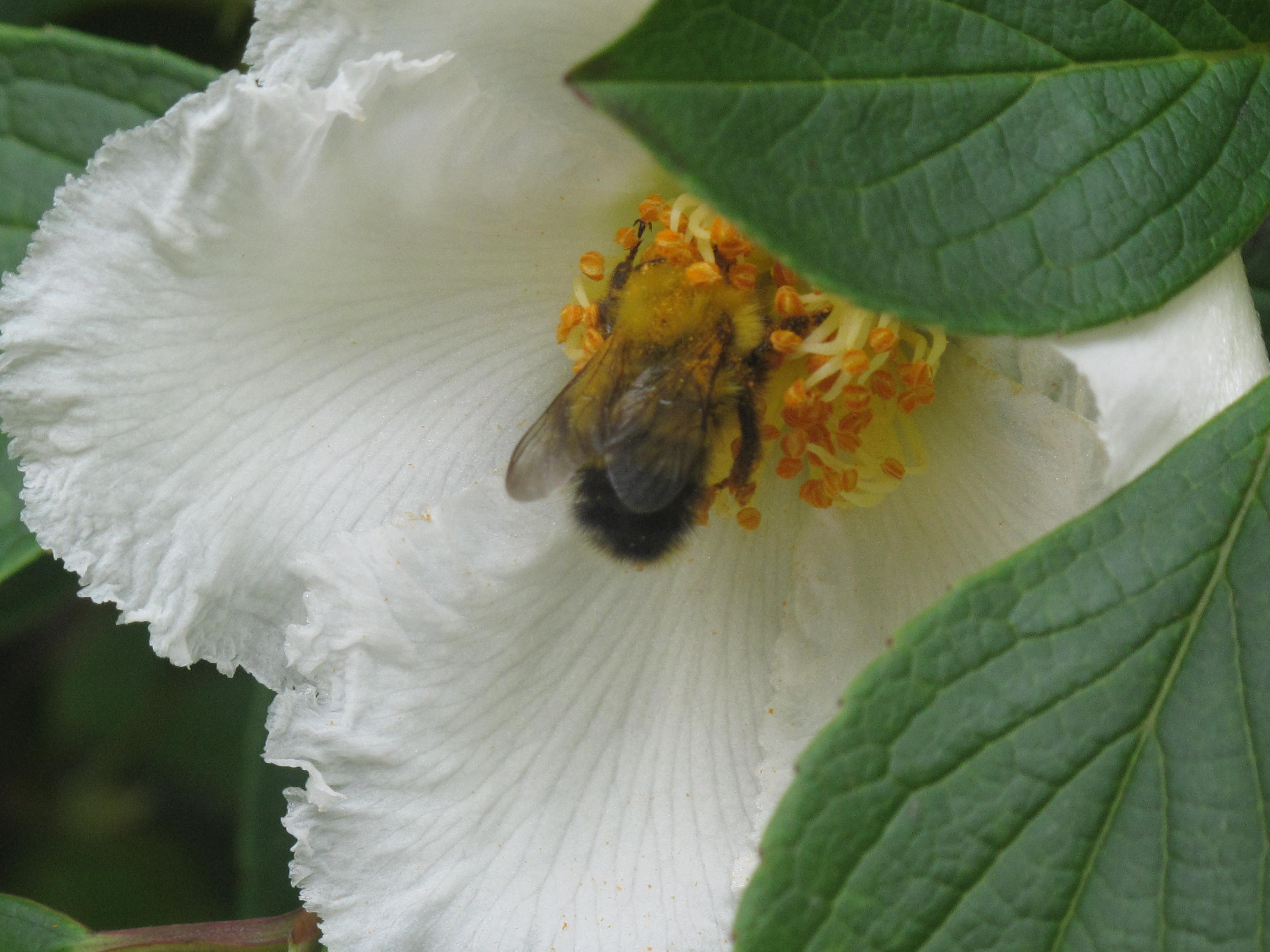
This is a Stewartia bloom with a bee enjoying a little bit of its pollen. If you look close, you can see the bee covered in pollen on its top and even down its wings. Bet he’ll be popular back in the hive. We have often thought about buying some hives and becoming real life bee keepers. Sounds a little dangerous, but fun. Do you or someone you know keep their own bees?
Fruit Juicy
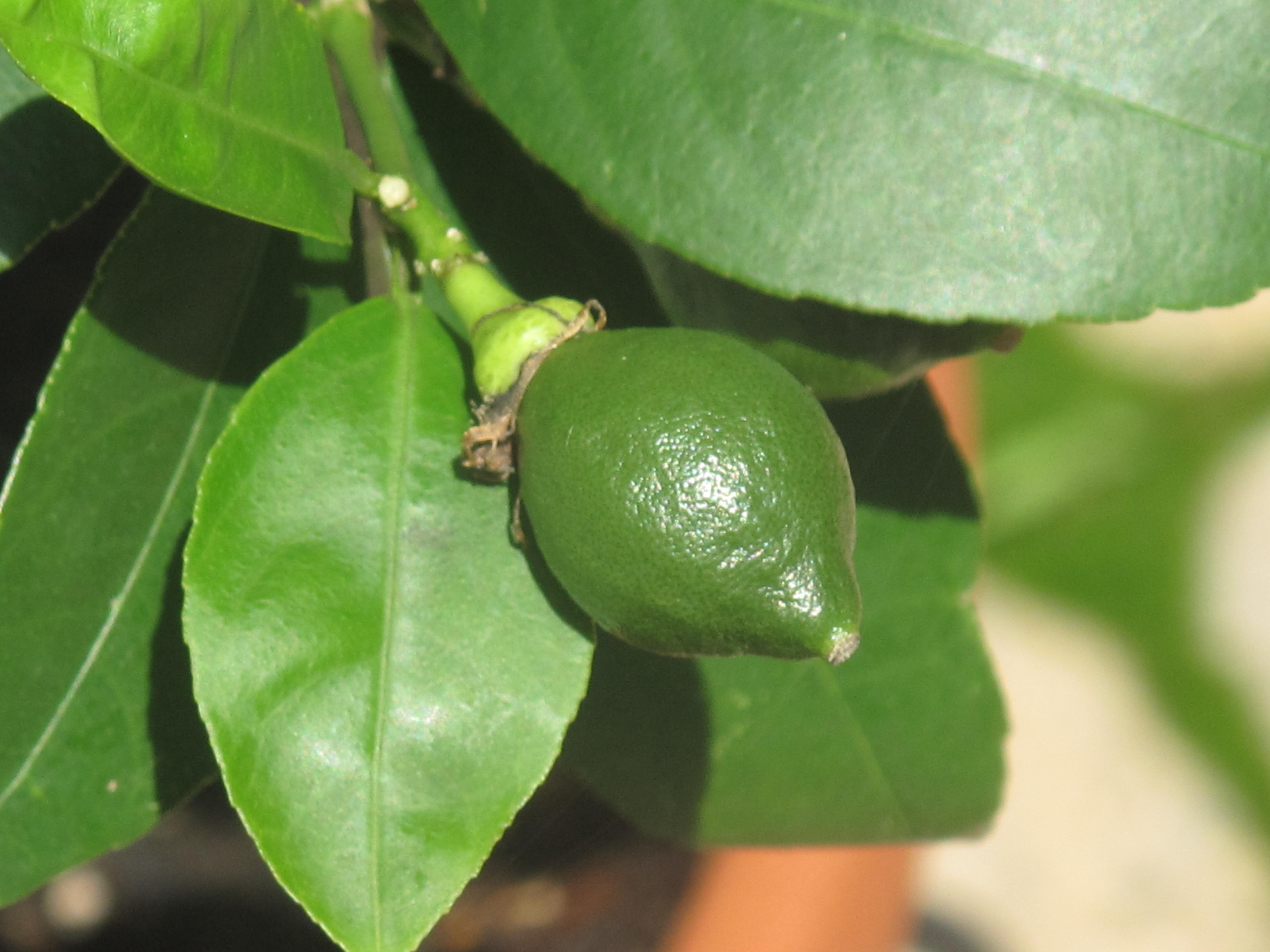
This is a very good sign. Earlier in the Spring, we planted two miniature citrus trees with plans to put them on the patio during the Summer and hopefully harvest some fruit. I think we might get our wish! After planting the shipped trees, there was about a month where it appeared there was little, if any, growth. Then all of a sudden and at about the same time, both trees erupted in a mass of blooms. There was a little bit of fragrance from the blooms, but not too much. Towards the end of June, the trees were placed outside where they receive several hours of direct sun. The blooms stayed intact for about a solid month and now many of the blooms have turned into baby fruit. Above is a picture of the Meyer Lemon tree and below is a picture of the Calamondin Orange tree. Both are packing some serious baby fruit!
So we’ve already talked about marmalade making with any oranges the Calamondin tree produces (with the help of regular oranges to make up any shortfall), but this is my vote for the Meyer lemons. It is one of my new favorite Summer drink recipes. Don’t worry if you don’t have Meyer lemons because regular lemons work just as well.
Meyer Lemon Drop
Ingredients:
- Sugar, for rim of glass
- Powdered yellow food coloring (optional)
- Lemon slice, for garnish
- 1/4 cup vodka
- 1 teaspoon Cointreau
- 2 tablespoons freshly squeezed Meyer lemon juice
- 2 tablespoons superfine sugar
Directions:
Tint sugar with powdered yellow food color, if desired. Place sugar in a saucer. Moisten the rim of a martini glass with a lemon slice. Dip rim in sugar. In a cocktail shaker, combine vodka, Cointreau, lemon juice, and superfine sugar with ice; shake well. Strain into prepared glass. Make another, and another and then fall over.
So here’s hoping we get to harvest our lemons and oranges by the end of the Summer. We don’t want our marmalade jars and vodka to be lonely if the fruit doesn’t make it, do we? That’s the one thing with gardening…fruit today doesn’t always mean fruit tomorrow. A bad storm or a big bug can ruin your plans (and crop) in an instant. However, if they do make it and you see us walking slightly unsteady with lemon-scented breath, you know why. Do you have any lemon or orange recipes that you can share with us here at Acorns On Glen?
Reunited With An Old Friend – Our Clematis Back From the Assumed Dead
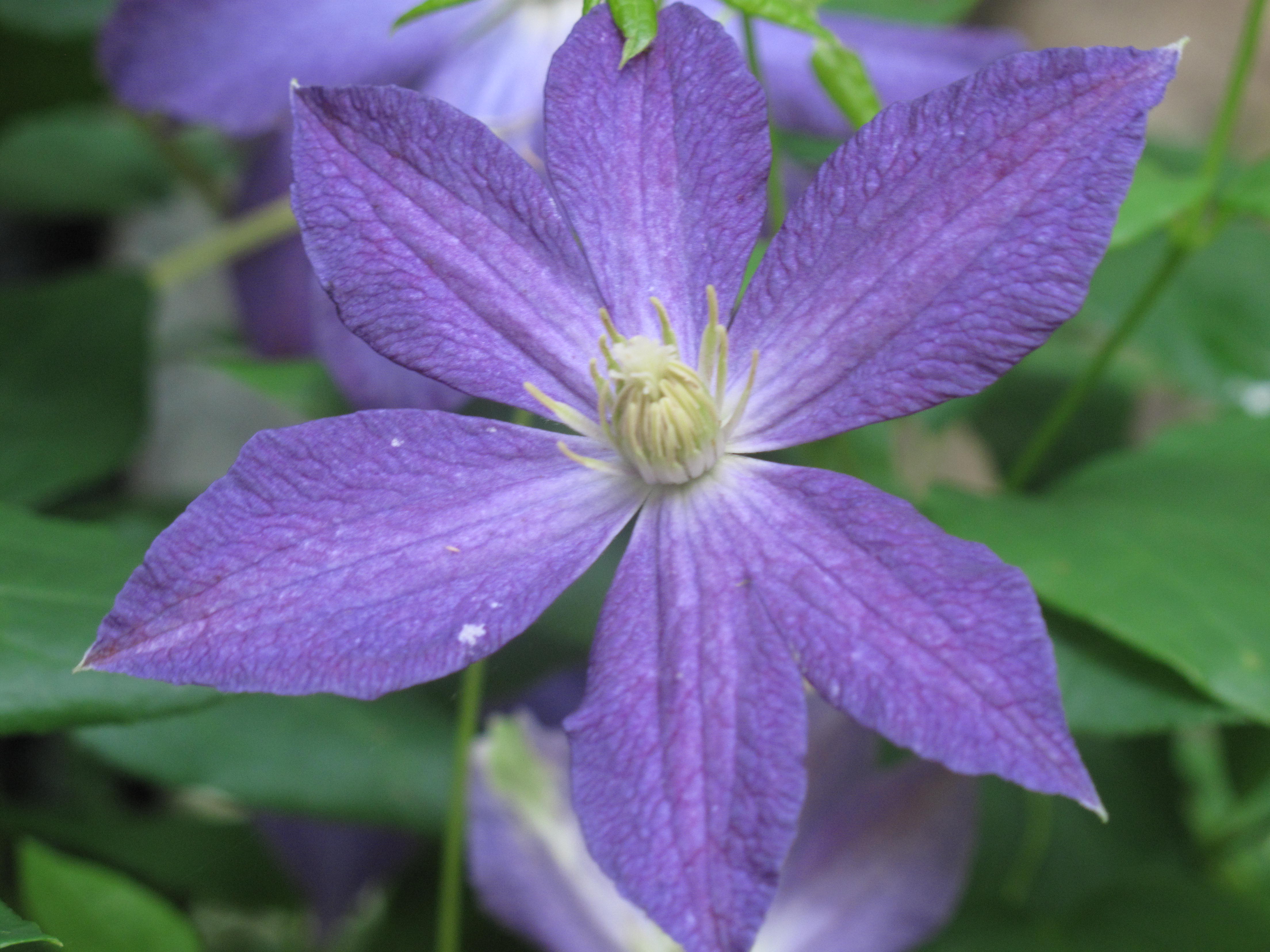
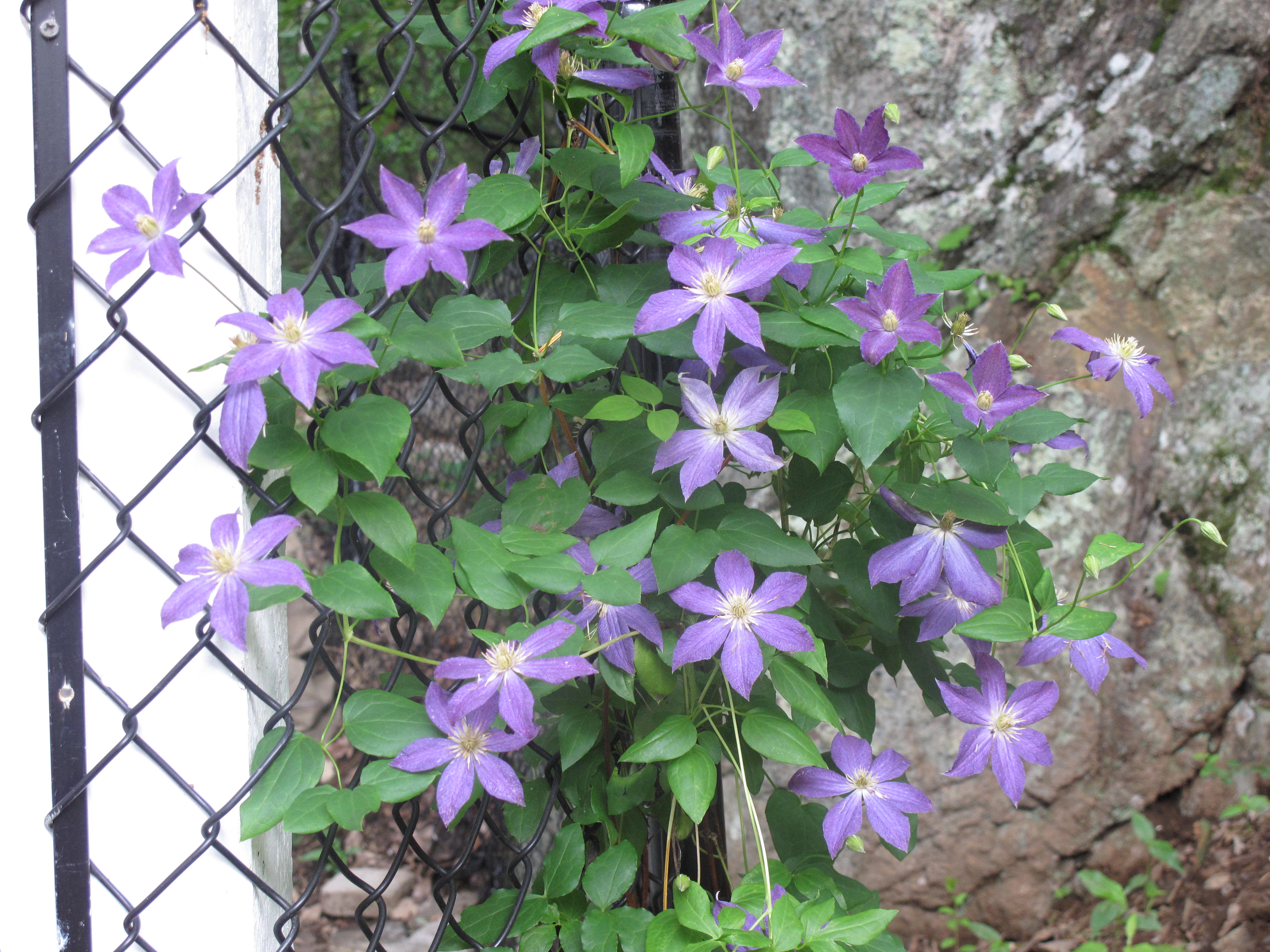
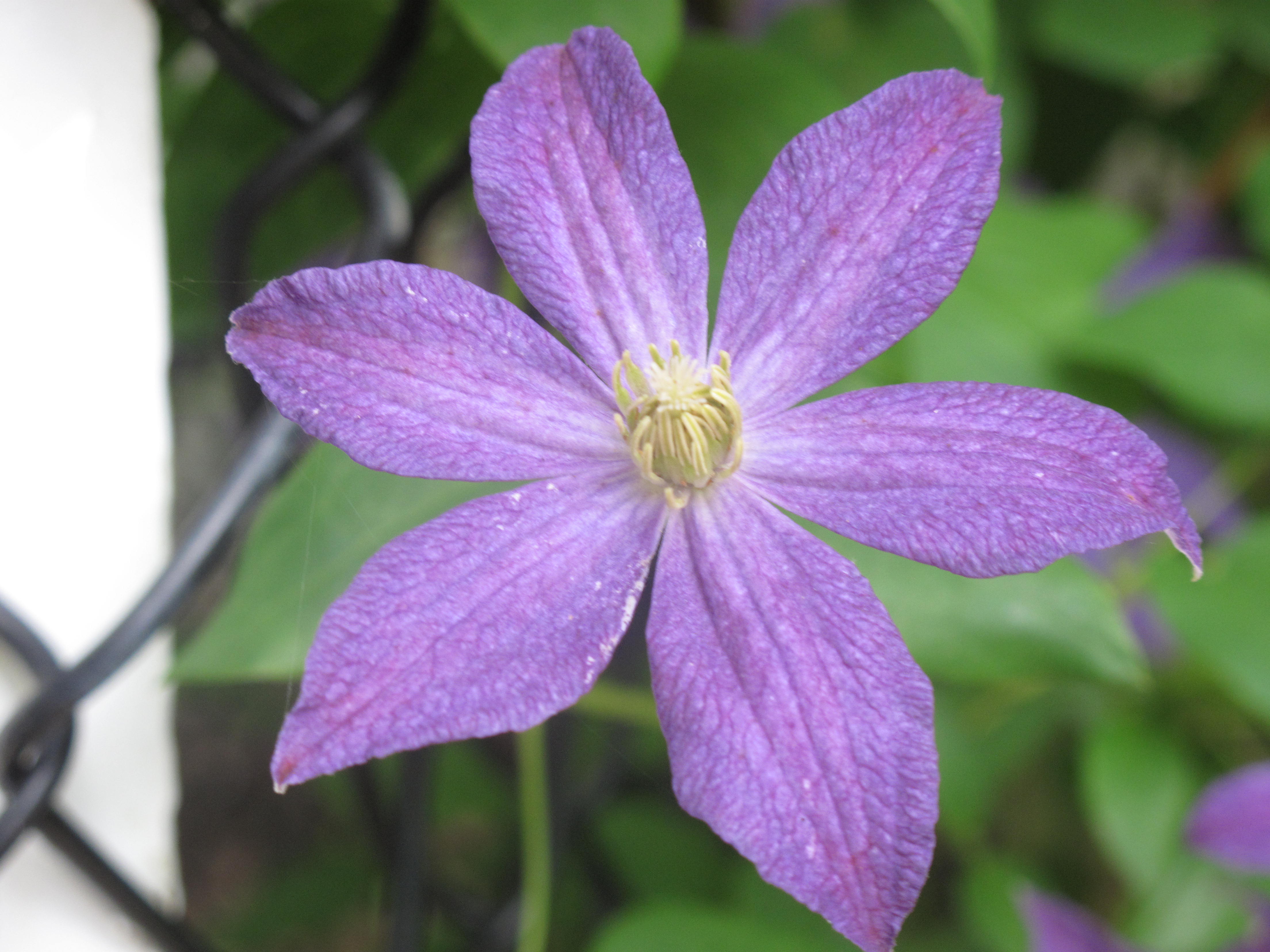
This is an old friend. It is our Clematis Bonanza vine which was one of the very first plants that we planted when we moved to Glen Road. That first Spring and Fall seem so far away. One of the reasons we bought the house was the big yard and many gardens that were dispersed around the property. Some gardens were nicely planted and others were vast mud holes. I knew that I could revive my gardening skills put away when I moved out of my childhood home in Iowa at age eighteen and make the gardens plush with vines, plants and flowers. Little did I remember that taking mud to plush meant a lot of blood, sweat and tears. That first year I lost almost as many plantings as ones that grew. Eventually, I realized that to make a dent in the mud, I would need to envision what I wanted in a certain area, research what grew in our area of Connecticut that looked like my vision and then utilize that particular plant in my garden. In other words, just because something was pretty didn’t mean that it was going to survive the hot Summers and freezing Winters that Connecticut has to offer. From my studies, I found the Clematis as the perfect flowering vine to cover my backyard fence. It did not prove me wrong and flowered there for the last five years.
Then I thought we had destroyed it. As I’ve mentioned in previous posts, we did some construction to our home over the Winter and Spring here on Glen Road in an area that was heavily planted. We worked very hard with some landscapers to relocate many plants that we knew we could use after the renovation. However, we were told that the Clematis would most likely not make the move so we just left it where it was. I figured it would be driven over, built upon and then destroyed and we would need to start fresh with new plants. To my surprise this Spring, a large section of it rose from the ground and attached itself to the new fence that we had installed around the backyard, two feet from where the old fence once stood. It did what it had done for the past five years. It was amazing given the amount of construction work that went on in the area where it grew and prospered. When I noticed it this Spring, I got a wide smile on my face and laughed. It was if it was saying to me ‘ha ha ha, you can’t kill me off that easy’. I’m so glad that we didn’t.
Clematis is a genus of about 300 species within the buttercup family Ranunculaceae. Their garden hybrids have been popular among gardeners beginning with Clematis jackmanii, a garden standby since 1862. More hybrid cultivars are being produced constantly. They are mainly of Chinese and Japanese origin. Our Clematis Bonanza was introduced at the Chelsea Flower Show in 2006. This free-flowering Clematis blooms from midsummer into September. We have let Bonanza, with its purple-blue blooms up to 3 inches wide, grow along our backyard fence with much success. It is a hardy and vigorous vine and generally shunned by deer. This is always a good thing for our deer-ravaged part of Connecticut. Our only concern at this point is around the amount of sun the Clematis is receiving each day. Most Clematis prefer the full sun with some shade around its roots. Our new construction shades the Clematis for most of the day. We will need to keep an eye on it to make sure it can survive with only a few hours of direct sunlight.
So hats off to you Clematis Bonanza and your ability to survive against even the hardest of times. We are so glad you did. Here’s hoping you have enough sunlight so that we can bring you some new brothers and sisters in the Fall to help you fill in that backyard fence. What are your favorite ‘children’ living in your garden?
A Picture Is Worth A Thousand Words – Times Square, NYC
Our Virtual Garden Show Continues – What’s Blooming
This is a transition period in our garden. The spectacular blooming of the more tender plants of Spring is over and the vast majority of the gorgeous blooms are just memories now. As we start Summer, the new wave of bloomers tend to come from more hardy plants and shrubs that are better able to take the hot temperatures and small amounts of moisture that Summer offers. The plants of Summer are a tough bunch. They can stand up to the brutal 100 degree days and seem to not mind too much if the raindrops are far and few between. You can just tell by looking at them. They actually look tougher than their Spring cousins. Hardier and thicker, their flowers seem to stare at you and say ‘what are you looking at?’ Remember when you were growing up and the ‘tough’ kids would hang out together and taunt other kids by saying thing like ‘come over here and we’ll punch you’ or ‘what’s your problem?’ or ‘what are you looking at?’. That’s these bloomers…the tough kids. They know how to get along with little help from others. They are scrappy. They need to be to make it through July and August. Enjoy our latest virtual garden tour and see what’s blooming on Glen Road.
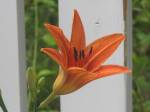
- A shot of Hemerocallis ‘Stella de Oro’. The blooms begin in mid-June and then bloom strong through the end of Summer.
- The first Asiatic lily to bloom. Lillium flowers last a long time before leaving.
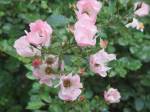
- A spray of blooms from the climbing rose bushes.
- A maturing lavendar plant will provide some nice scent later in the Summer.
- An echinacea bloom almost ready to show its stuff.
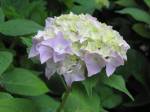
- Hydrangea blooms beginning to mature. Here is a white bloom.
- A hydrangea bloom tipped in blue.
- Another hydrangea bloom tipped in purple.
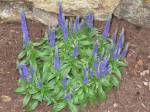
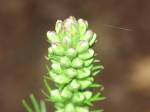
- The tip of an almost blooming Liatris spicata Kobold. A thick purple stalk of flowers are right around the corner.
- A forming bud of Monarda Coral Reef. It’s supposed to be deer resistant but Glen Road deer seem to enjoy it.
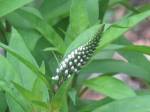
- A bloom on Lysimachia clethroides. Spreads like a weed and needs to be contained so as to not take over the garden.
When it is all said and done, we’re glad the tough kids are out there growing during the Summer. From now until the end of August, the days get so hot that it makes it difficult to spend a large amount of time working out in the gardens. Some light weeding, deadheading and evening watering is about all you can do without major heat stroke. Even though we stay indoors or by the pool more, it is still a great feeling to look outside and see that you still have flowers blooming. Raises your spirits even in the hottest of times. What are some of your favorite Summer bloomers?
Deadheading Has Nothing To Do With The Grateful Dead
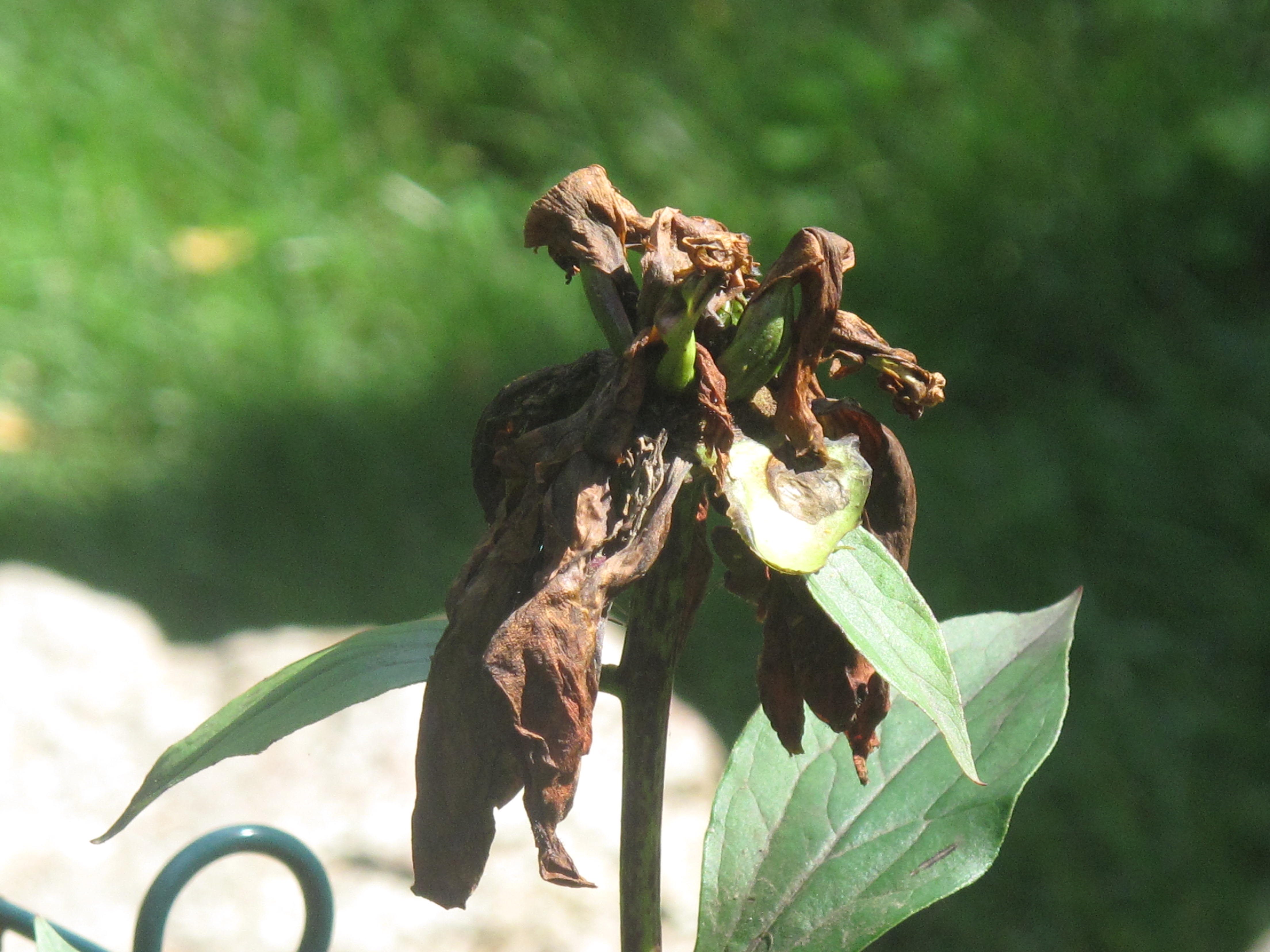
This is the only nice part of deadheading in the garden. Every once in a while, as you are cruising through the garden and cutting off spent flowers, you see the occasional moth or butterfly trying to hold on to something that was once so plush and gorgeous. It happens every Spring. Your garden flowers come on hard and strong. You get such a magnificent display of color in all the blooms that open. All the beauty makes you proud to be a gardener. Then in a few short days for some flowers and a few short weeks for others, it is over. The blooms wilt and die. The dead flowers become a grim reminder that Spring is leaving. As a gardener, you then move into the next phase of gardening and what I officially think of as the start of Summer. The dreaded deadheading.
There are a lot of chores that a gardener needs to do during the growing cycle. There is none that I hate more than deadheading flowers. I like the chores that are about encouraging growth. I hate the ones that make me deal with the dead. There is no amount of songs on my iPhone that I can listen to that keep me motivated enough for the task of snip, snip, snipping dead flowers. The dead flowers are everywhere and the chore never seems to end. You can go through your entire garden and end up at your starting point and will still see dead flowers that you’ve either missed or they have died since your last trip through. It’s depressing!
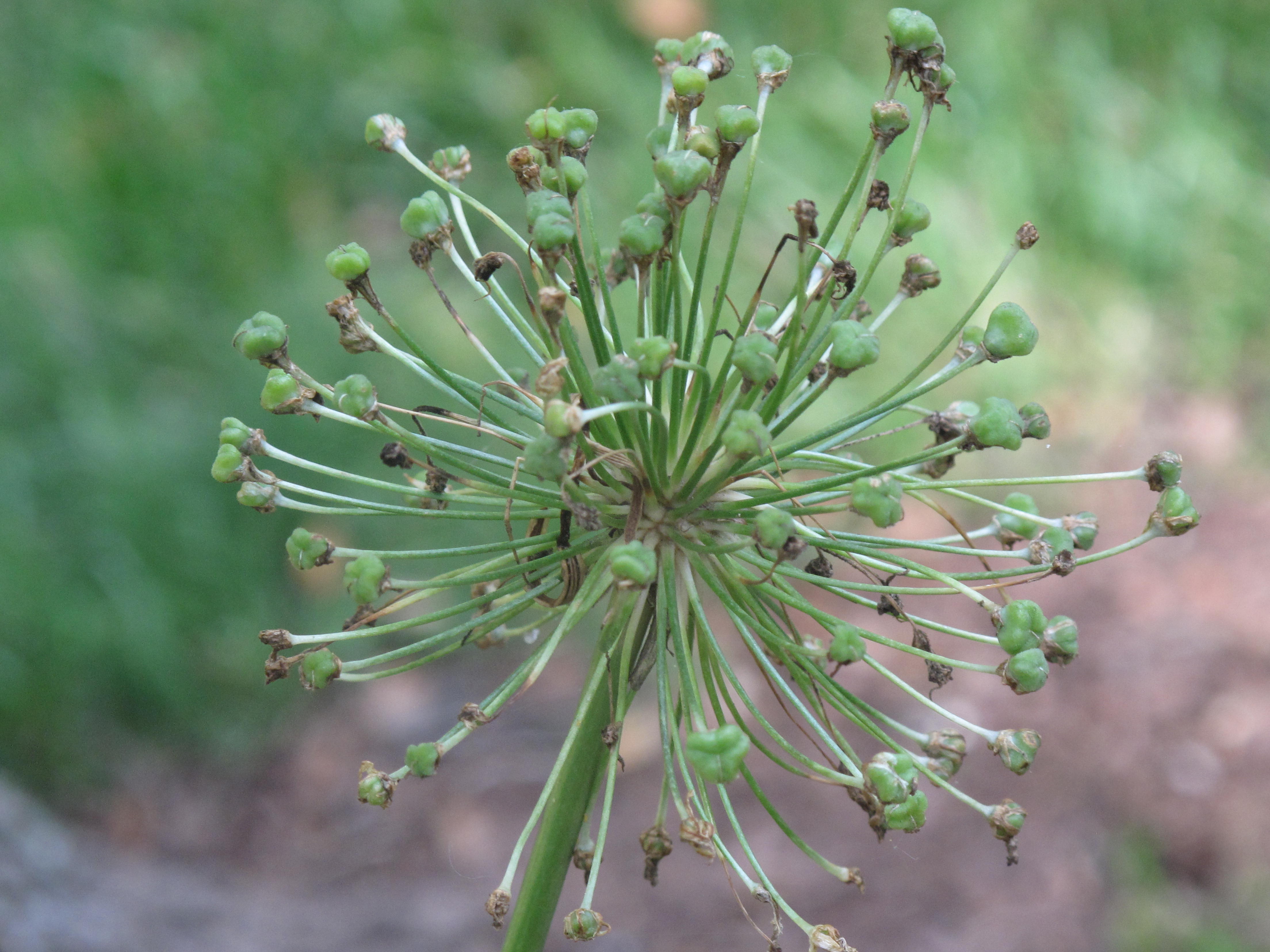
So why do I do it? Because dealing with the dead helps bring back life. If left to their own devices, many flowers will bloom heavily for a short period of time, then set seed, thinking they’re done for the season. Deadheading interrupts this cycle. You’re actually fooling the plant, forcing them to send out another flush of blooms to try to complete the reproductive cycle. The blooms in the second or third display may not be as large or as numerous as the first, but they are certainly worth the effort. This is especially true for roses, day lilies and flowering annuals that inhabit a large section of my garden. For the bulb population like alliums and tulips, deadheading flower and stem down to the ground helps keep the energy in the bulb versus having the bulb send it to the flower to produce seed. Deadheading these perennials helps to strengthen the bulb for next year’s growth.
So if you ever see me in my garden with a sad or bored look on my face, you will know it is deadheading that is what is bringing me down. Please try to distract me….it won’t take much. I know I’ll be happy when the next round of rose blooms come around, but in that moment, I would give anything to be somewhere else. What garden chores are your least favorite?